Is Bread Safe for Dogs?
According to veterinary pet-care sources including the AKC and PetMD, plain bread is not classified as toxic to dogs. It is commonly described as a food that dogs can tolerate in small amounts, but one that does not provide meaningful nutritional benefits.
Veterinary literature consistently notes that concerns around bread are usually related to ingredients, preparation, and quantity, rather than inherent toxicity. As a result, bread is typically placed in a “use caution” category rather than being labelled safe or toxic.
Sources such as VCA Hospitals also highlight that breads made with additional ingredients may pose greater concerns than plain varieties.
Why Bread Can Be a Problem for Some Dogs
Main factors of concern
- Low nutritional value, as noted in veterinary nutrition discussions.
- High carbohydrate content, which pet-care sources associate with digestive upset in some dogs.
Portion size and dog size
Veterinary articles commonly mention that tolerance can vary depending on the individual dog, but bread is still described as a non-essential food with limited benefit.
Preparation differences
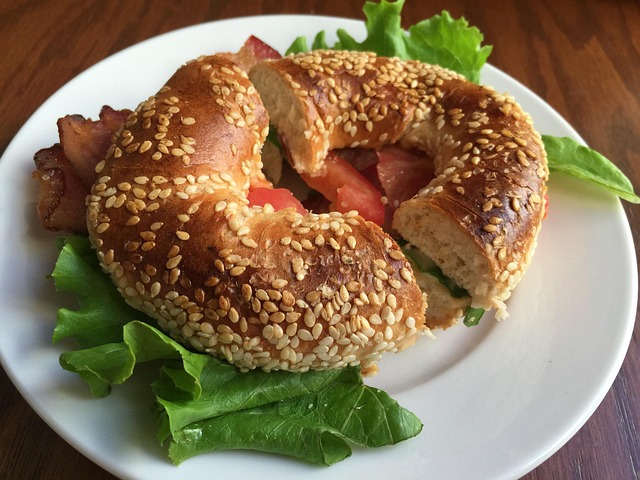
Plain white or wheat bread is generally discussed differently from breads that contain added ingredients such as sugars, fats, or seasonings, which are more frequently associated with problems.
Signs Reported When Dogs React Poorly to Bread
Veterinary sources list the following signs in dogs that do not tolerate bread well:
- Vomiting
- Diarrhoea
- Gas or bloating
More serious signs
- Abdominal discomfort linked to overeating or yeast-containing dough (noted in veterinary literature discussing raw dough)
Ingredients or Additives to Watch For
- ❌ Garlic or onion (sometimes present in flavoured or savoury breads; classified as toxic to dogs by ASPCA/APCC)
- ❌ Raisins or currants (used in some breads; widely listed as toxic to dogs)
- ⚠️ High sugar or salt content (frequently mentioned as a concern in veterinary nutrition articles)
Puppies vs. Adult Dogs
Veterinary sources generally note that puppies may have more sensitive digestive systems. Any concerns related to ingredients or digestive upset are described as applying to both puppies and adult dogs.
Other Common Variants of Bread
Whole Wheat Bread
Veterinary nutrition sources describe whole wheat bread as nutritionally similar to white bread for dogs, with no specific benefits noted.
Bread with Seeds or Grains
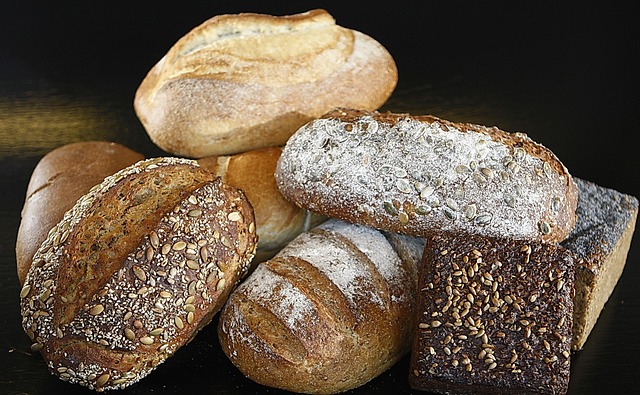
Some veterinary articles mention that added seeds or grains may be harder to digest for certain dogs.
Raw Bread Dough
Veterinary toxicology references consistently classify raw yeast dough as dangerous, due to expansion in the stomach and alcohol production during fermentation.
Dog-Friendly Alternatives Mentioned in Pet-Nutrition Sources
- Plain cooked rice
- Plain cooked oats
- Commercial dog treats formulated for canine diets
Frequently Asked Questions (FAQ)
This FAQ summarises themes appearing in veterinary pet-care articles.
It is informational only and not a substitute for professional veterinary care.
Is bread toxic to dogs?
Veterinary sources such as the AKC and PetMD state that plain bread is not toxic, but it is not nutritionally beneficial.
Why is bread often described as low value for dogs?
Pet-nutrition references explain that bread is high in carbohydrates and lacks nutrients that dogs require.
Is raw bread dough different from baked bread?
Veterinary toxicology sources consistently describe raw yeast dough as hazardous due to fermentation and gas expansion.
Source Reference
This page compiles information from publicly accessible veterinary and pet-safety resources, including:
-
American Kennel Club (AKC) — “Can Dogs Eat Bread?”
https://www.akc.org/expert-advice/nutrition/can-dogs-eat-bread/ -
PetMD — “Can Dogs Eat Bread?”
https://www.petmd.com/dog/nutrition/can-dogs-eat-bread -
VCA Hospitals — “Human Foods: What Can Dogs Eat?”
https://vcahospitals.com/know-your-pet/dog-nutrition-human-foods
This page is informational only and does not constitute veterinary or medical advice. Readers are encouraged to review these sources directly.