Is Chicken Safe for Dogs?
According to the AKC, plain, cooked chicken meat is generally considered safe for dogs, and many veterinary organisations list it as a common protein source used in commercial diets and home-prepared meals.
Source: https://www.akc.org/expert-advice/nutrition/can-dogs-eat-chicken/
However, the ASPCA notes that some chicken products can contain ingredients unsuitable for dogs, such as heavy seasoning or added fats.
Source: https://www.aspca.org/pet-care/general-pet-care/people-foods-pets-should-never-eat
VCA Hospitals explains that raw chicken may contain bacteria such as Salmonella, which can cause illness in dogs and people.
Source: https://vcahospitals.com/know-your-pet/bacterial-food-poisoning-salmonella-in-dogs
Cooked bones are also highlighted in veterinary sources as a risk because they can splinter, creating a potential choking hazard or causing internal injury.
Why Chicken Can Be a Problem for Some Dogs
Main considerations
- Bacterial contamination: Raw chicken may carry harmful bacteria such as Salmonella.
- Bones: Cooked bones are consistently identified as a choking or internal injury risk in veterinary literature.
- Seasonings: Chicken prepared with garlic, onion, or heavy spices may introduce ingredients toxic to dogs.
Portion size and dog size
Small dogs may be more vulnerable to choking hazards from bones or large pieces of meat.
Preparation differences
Veterinary sources distinguish clearly between:
- Plain, cooked chicken (generally safe)
- Raw chicken (risk of bacterial contamination)
- Cooked bones (risk of splintering)
- Seasoned chicken (potentially unsuitable ingredients)
Signs Reported When Dogs React Poorly to Chicken
- Vomiting
- Diarrhoea
- Gas or digestive discomfort
More serious signs
- Signs consistent with bacterial illness from contaminated raw meat, such as fever or lethargy, as described in VCA materials.
Ingredients or Additives to Watch For
- ❌ Garlic or onion seasonings (classified as toxic to dogs by ASPCA/APCC)
- ❌ Excess fats or oils (noted as contributors to digestive upset in veterinary nutrition discussions)
- ⚠️ Cooked bones (splintering risk repeatedly highlighted in veterinary guidance)
Puppies vs. Adult Dogs
Puppies may be more sensitive to bacterial risks from raw chicken due to their developing immune systems. Veterinary organisations do not classify cooked chicken meat differently for puppies and adults but emphasise the same bacterial and bone-related concerns for all age groups.
Other Common Variants of Chicken
Raw Chicken
Veterinary sources describe raw chicken as carrying a risk of bacterial contamination, including Salmonella.
Chicken Skin
Chicken skin contains high levels of fat, which veterinary organisations note may contribute to digestive upset or pancreatitis in some dogs.
Rotisserie or Seasoned Chicken
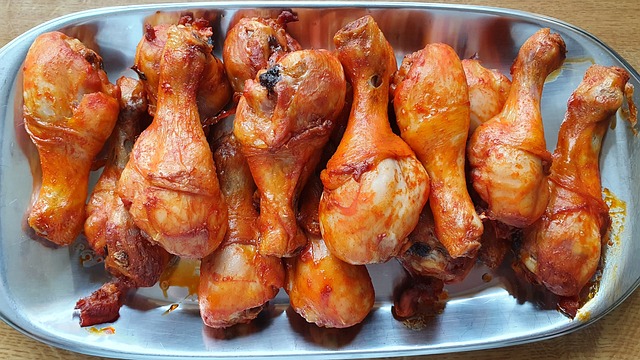
Often contains added salt, spices, and flavourings, including garlic or onion, which are considered unsafe according to ASPCA toxicity listings.
Dog-Friendly Alternatives Mentioned in Pet-Nutrition Sources
- Cooked turkey (plain)
- Cooked white fish (plain)
- Carrot sticks
- Commercial dog treats
Frequently Asked Questions (FAQ)
This FAQ summarises themes appearing in veterinary pet-care articles.
It is informational only and not a substitute for professional veterinary care.
Is cooked chicken safe for dogs?
Veterinary organisations generally consider plain, cooked chicken safe.
Why is raw chicken a concern?
Raw chicken may contain Salmonella or other harmful bacteria, according to VCA Hospitals and other veterinary sources.
Can dogs eat chicken bones?
No. Cooked chicken bones are consistently identified as a choking and injury risk by veterinary organisations.
Source Reference
This page compiles information from publicly accessible veterinary and pet-safety resources, including:
-
AKC — “Can Dogs Eat Chicken?”
https://www.akc.org/expert-advice/nutrition/can-dogs-eat-chicken/ -
ASPCA — “People Foods Pets Should Never Eat”
https://www.aspca.org/pet-care/general-pet-care/people-foods-pets-should-never-eat -
VCA Hospitals — “Bacterial Food Poisoning (Salmonella) in Dogs”
https://vcahospitals.com/know-your-pet/bacterial-food-poisoning-salmonella-in-dogs
This page is informational only and does not constitute veterinary or medical advice. Readers are encouraged to review these sources directly.