Is Coffee Safe for Dogs?
Veterinary organisations, including the ASPCA and Pet Poison Helpline, classify coffee as toxic to dogs. Coffee contains caffeine and related methylxanthines, which dogs absorb more quickly and eliminate far more slowly than humans.
Source: https://www.petpoisonhelpline.com/poison/caffeine/
The Merck Veterinary Manual explains that caffeine toxicity can result from brewed coffee, coffee grounds, coffee beans, and products containing concentrated caffeine.
Source: https://www.merckvetmanual.com/toxicology/food-hazards/chocolate-and-caffeine-toxicosis
VCA Hospitals notes that dogs may show symptoms of toxicity even after small exposures, especially when ingesting coffee grounds or beans, which contain higher concentrations of caffeine than brewed coffee.
Source: https://vcahospitals.com/know-your-pet/caffeine-toxicity-in-pets
Why Coffee Can Be a Problem for Some Dogs
Main compounds of concern
- Caffeine, classified as a toxic stimulant for dogs by all major veterinary sources.
- Other methylxanthines, which contribute to increased heart rate, agitation, and neurological effects.
Portion size and dog size
Smaller dogs are at significantly greater risk from the same amount of caffeine, and coffee grounds contain higher concentrations than brewed coffee.
Preparation differences
Veterinary organisations note that:
- Brewed coffee contains caffeine and is unsafe.
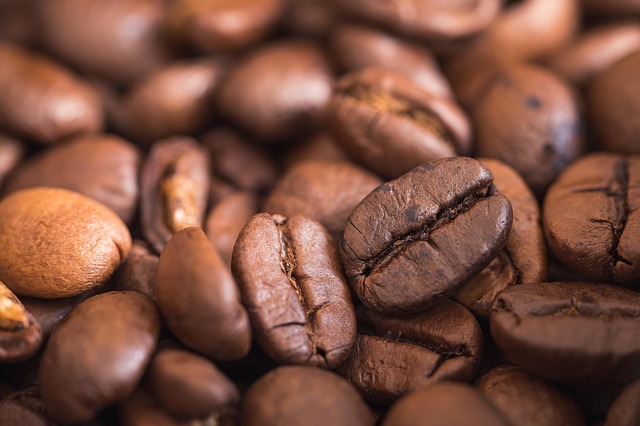
- Coffee grounds or beans contain higher levels and pose an even greater risk.
- Instant coffee also contains caffeine and is considered unsafe.
Signs Reported When Dogs React Poorly to Coffee
- Restlessness or agitation
- Vomiting
- Diarrhoea
- Increased heart rate
More serious signs
- Tremors
- Seizures
- Heart rhythm abnormalities
- Collapse
These signs are documented in toxicology reports from Pet Poison Helpline and VCA Hospitals.
Ingredients or Additives to Watch For
- ❌ Coffee grounds (very high caffeine concentration)
- ❌ Coffee beans (dangerous stimulant levels; sometimes coated in chocolate, adding further toxicity)
- ⚠️ Sugar-free syrups (may contain xylitol, which is highly toxic to dogs)
Puppies vs. Adult Dogs
Coffee is toxic to both puppies and adult dogs, but puppies are at higher risk because of their smaller size and developing systems. Veterinary organisations classify all forms of coffee as unsafe for every age group.
Other Common Variants of Coffee
Decaffeinated Coffee
Decaf coffee still contains small amounts of caffeine and is not considered safe for dogs according to veterinary sources.
Coffee-Flavoured Foods
Coffee ice cream, baked goods, or syrups often contain caffeine and additional ingredients—such as chocolate or xylitol—that veterinary organisations classify as unsafe.
Dog-Friendly Alternatives Mentioned in Pet-Nutrition Sources
- Plain pumpkin purée
- Apple slices (seedless)
- Carrot sticks
- Commercial dog treats
Frequently Asked Questions (FAQ)
This FAQ summarises themes appearing in veterinary pet-care articles.
It is informational only and not a substitute for professional veterinary care.
Why is coffee toxic to dogs?
Coffee contains caffeine and other methylxanthines, which dogs cannot process safely and which overstimulate the heart and nervous system.
Are small amounts of coffee safe?
Veterinary sources report that even small exposures may cause symptoms, especially in small dogs.
Are coffee grounds more dangerous than brewed coffee?
Yes. Coffee grounds contain much higher caffeine concentrations and are frequently linked to severe toxicity.
Source Reference
This page compiles information from publicly accessible veterinary and pet-safety resources, including:
-
ASPCA — “People Foods to Avoid Feeding Your Pet”
https://www.aspca.org/pet-care/animal-poison-control/people-foods-avoid-feeding-your-pet -
Pet Poison Helpline — “Caffeine Toxicity”
https://www.petpoisonhelpline.com/poison/caffeine/ -
Merck Veterinary Manual — “Chocolate and Caffeine Toxicosis”
https://www.merckvetmanual.com/toxicology/food-hazards/chocolate-and-caffeine-toxicosis -
VCA Hospitals — “Caffeine Toxicity in Pets”
https://vcahospitals.com/know-your-pet/caffeine-toxicity-in-pets
This page is informational only and does not constitute veterinary or medical advice. Readers are encouraged to review these sources directly.