Is Goat Cheese Safe for Dogs?
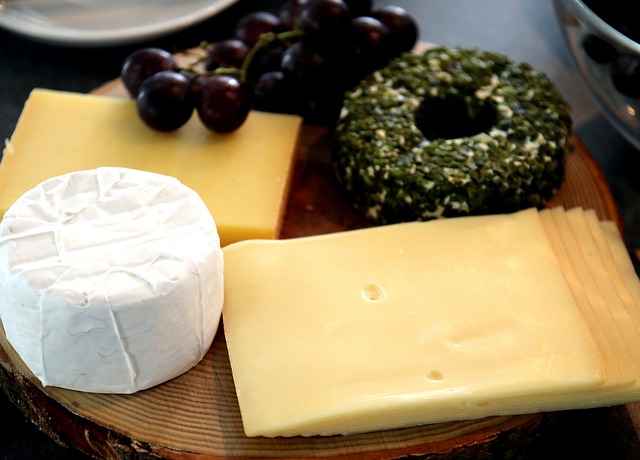
Veterinary and pet-nutrition organisations generally classify cheese as non-toxic to dogs. Goat cheese is discussed within this broader category of dairy foods.
However, veterinary sources consistently describe cheese as a food requiring caution. The AKC and PetMD explain that many dogs have difficulty digesting lactose, and VCA Hospitals highlights lactose intolerance as a common cause of gastrointestinal signs in dogs.
Goat cheese may contain less lactose than some cow’s milk cheeses, but veterinary guidance emphasises that individual tolerance varies, and dairy sensitivity is still possible.
Why Goat Cheese Can Be a Problem for Some Dogs
Lactose content
VCA Hospitals notes that dogs produce limited amounts of lactase, the enzyme needed to digest lactose. Dairy products can therefore cause digestive upset.
Fat content
Pet-nutrition sources explain that cheese is typically high in fat, which may contribute to gastrointestinal discomfort in some dogs.
Salt and processing
Veterinary articles highlight that many cheeses contain added salt, which is frequently mentioned as a concern in processed human foods.
Signs Reported When Dogs React Poorly to Cheese
Veterinary sources describe the following signs when dogs experience dairy intolerance:
- Diarrhoea
- Vomiting
- Gas
- Abdominal discomfort
These effects are associated with digestion rather than toxicity.
Ingredients or Additives to Watch For
Goat cheese products may include additional ingredients that veterinary organisations flag as concerns:
- ⚠️ Added salt, common in many cheeses
- ⚠️ Herbs or flavourings, which may irritate digestion
- ⚠️ Added oils or fats, increasing overall fat content
Concerns relate to combined ingredients rather than cheese alone.
Puppies vs. Adult Dogs
Veterinary literature notes that puppies may have more sensitive digestive systems. Lactose intolerance and fat-related digestive upset may appear more readily in younger dogs, though adult dogs can also be affected.
Other Common Dairy Products Discussed in Veterinary Sources
Cow’s milk cheese
Discussed similarly to goat cheese, with attention to lactose and fat.
Yogurt
Pet-nutrition articles often discuss yogurt separately due to differences in fermentation and lactose content.
Butter and cream
Veterinary sources classify these as higher risk due to very high fat content.
Dairy Products Mentioned in Pet-Nutrition Literature
Veterinary and pet-nutrition sources frequently reference these dairy items when discussing digestion:
- Milk
- Cheese
- Cream
- Ice cream
Discussions consistently focus on lactose and fat rather than toxicity.
Frequently Asked Questions (FAQ)
This FAQ summarises themes appearing in veterinary and pet-nutrition articles.
It is informational only and not a substitute for professional veterinary care.
Is goat cheese toxic to dogs?
Veterinary organisations do not classify goat cheese as toxic. It is discussed as a dairy food that may cause digestive upset.
Is goat cheese easier to digest than other cheeses?
Pet-nutrition sources note that lactose content varies by cheese, but individual dog tolerance still differs.
Why do veterinary sources mention lactose so often?
VCA Hospitals explains that lactose intolerance is common in dogs and is a frequent cause of digestive issues.
Source Reference
This page compiles information from publicly accessible veterinary and pet-safety resources, including:
-
American Kennel Club (AKC) — “Can Dogs Eat Cheese?”
https://www.akc.org/expert-advice/nutrition/can-dogs-eat-cheese/ -
PetMD — “Can Dogs Eat Cheese?”
https://www.petmd.com/dog/nutrition/can-dogs-eat-cheese -
VCA Hospitals — “Lactose Intolerance in Dogs”
https://vcahospitals.com/know-your-pet/lactose-intolerance-in-dogs
This page is informational only and does not constitute veterinary or medical advice. Readers are encouraged to review the cited sources directly.