Is Italian Seasoning Safe for Dogs?
The practical answer comes down to one question: does your jar contain garlic, onion, or any other allium? Check the ingredient list before anything else — that’s the real decision point.
No alliums on the label: The product is a pure herb blend, and the risk picture is mild. Two of the standard herbs — oregano and marjoram — are classified by the ASPCA as GI irritants for dogs, with vomiting and diarrhea as the clinical signs. The other four main herbs (basil, rosemary, thyme, and sage) are classified non-toxic. At culinary quantities — a pinch in shared cooked food — the realistic risk is low. A dog eating a significant amount directly from a jar could develop GI upset, but this is dose-dependent and self-limiting.
Garlic powder, onion powder, or any allium on the label: A categorically different product and a categorically different hazard. See the allium-containing products section below.
A correction worth making clearly: Italian seasoning is frequently labelled toxic to dogs online — but the picture is more nuanced than that, and most mainstream commercial blends are pure herb mixes without garlic or onion. The market-leading US product, McCormick Italian Seasoning, contains marjoram, basil, rosemary, thyme, oregano, savory, and sage — no garlic, no onion. This is representative of how the mainstream category is formulated, not universal. The blanket “toxic” label misrepresents what most people actually have in their spice drawer.
The Herb-by-Herb Picture
Standard Italian seasoning is a blend of dried Mediterranean herbs. The ASPCA’s animal poison control plant database is the primary reference for each:
Non-toxic to dogs (ASPCA confirmed):
- Basil — Non-toxic to dogs
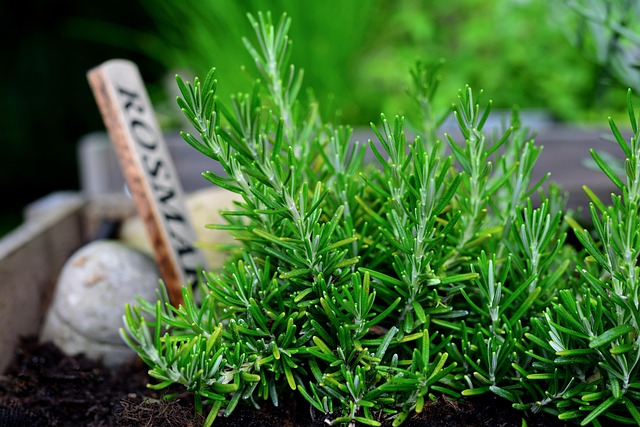
- Rosemary — Non-toxic to dogs
- Thyme — Non-toxic to dogs
- Sage — Non-toxic to dogs
GI irritants (ASPCA toxic classification, mild mechanism):
- Oregano — Toxic; toxic principle: gastrointestinal irritant; clinical signs: mild vomiting and diarrhea
- Marjoram — Toxic; toxic principle: gastrointestinal irritant; clinical signs: vomiting and diarrhea
The “toxic” designation for oregano and marjoram means GI irritation — not the haematological damage that alliums cause. These are different hazard categories. Oregano consumed in quantity can cause stomach upset; it does not destroy red blood cells. The clinical picture is unpleasant but self-limiting, and at typical culinary seasoning doses, it may cause no reaction at all.
Savory — an honest gap
McCormick’s Italian Seasoning includes savory (Satureja species) alongside the six herbs above. Savory does not appear in the ASPCA’s toxic and non-toxic plant database. The absence of an entry is not confirmation of safety — the database does not list every plant. But no source consulted for this guide identifies savory as a hazard for dogs, and we found nothing in the veterinary toxicology literature to suggest otherwise. We treat it as not a primary concern and note the gap transparently rather than glossing over it.
Products with Garlic or Onion Powder
Not all Italian seasoning blends are allium-free. Store-brand variants and specialty products — particularly anything marketed as “garlic herb Italian seasoning” or “Tuscan seasoning” — sometimes include garlic powder as a named ingredient. Reading the full ingredient list before using any blended seasoning in food your dog might access is the straightforward precaution.
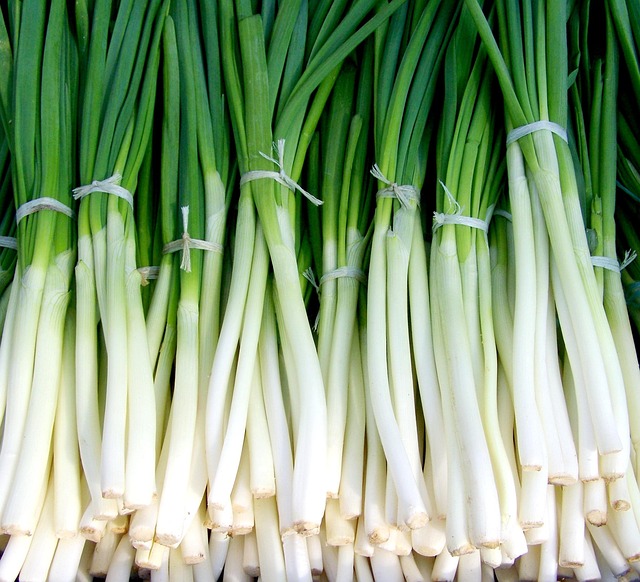
If your product’s label includes garlic, garlic powder, onions, onion powder, or any allium derivative, the concern is no longer herb GI irritation — it is allium toxicity. Garlic and onion cause oxidative damage to red blood cells (Heinz body formation, haemolytic anaemia) with a toxic dose for onion of 15–30 g/kg body weight, and garlic is 3–5× more potent per gram (Merck Veterinary Manual). All forms — powdered, dried, cooked — retain full toxicity. Garlic powder is particularly concentrated: a small amount of seasoning can represent a meaningfully higher allium dose than the same volume of a fresh ingredient.
For a dog that has eaten food prepared with an Italian seasoning containing garlic or onion powder, see the garlic or onions pages for the full hazard picture, and marinara sauce and pasta sauce for how these same alliums function in cooked Italian-food contexts. Any allium exposure in more than a trivial amount warrants a call to your vet — allium toxicosis has a delayed onset of 3–5 days, and early intervention gives the best outcomes.
When reading any Italian seasoning label, also note whether added salt appears — most pure herb blends don’t include it, but some commercial products do. Sodium is not the primary concern here, but it is worth knowing.
Dose Context: A Pinch vs. Eating from the Jar
For pure herb Italian seasoning (no alliums), quantity is the key variable.
A pinch used in cooked food: At typical seasoning quantities — a quarter to a half teaspoon distributed across an entire dish — the oregano and marjoram content reaching any individual dog’s portion is minimal. The realistic outcome for most dogs is no reaction.
A dog that eats directly from the jar or tips a significant quantity onto the floor and eats it: The concentrated dried herb load is meaningfully larger. GI upset — vomiting, diarrhoea — is plausible from the oregano and marjoram content. Offer water, monitor symptoms, and contact your vet if signs are severe or persist beyond 12–24 hours.
Dried vs. fresh: Dried herbs are more concentrated by weight than fresh equivalents. A teaspoon of dried oregano or marjoram represents significantly more of the herb than a teaspoon of fresh leaves. This matters most if a dog eats the seasoning directly, less so when a pinch is used in cooking.
Symptoms to Watch For
From pure herb Italian seasoning (oregano and marjoram, GI irritant):
- Vomiting or diarrhoea — most likely only if a significant amount was eaten directly
- Abdominal discomfort, reduced appetite
- Self-limiting; resolves as the herb clears the GI tract
From Italian seasoning containing garlic or onion powder:
- Onset delayed 3–5 days — dog may appear normal initially
- Lethargy, weakness, reduced appetite
- Pale, white, or yellowish gums
- Rapid heart rate, laboured breathing
- Dark or reddish-brown urine
If any allium was present in the seasoning and your dog ate more than a trivial amount, contact your vet — do not wait for symptoms.
Frequently Asked Questions
This FAQ summarises general veterinary guidance. It’s informational only and not a substitute for advice from your own vet, who knows your dog.
My dog licked Italian seasoning off the counter — should I worry?
Check the label first. Pure herb blend (no garlic, no onion): a small lick is very unlikely to cause a problem. The GI-irritant herbs are a concern in quantity, not at a lick. Watch for any stomach upset over the next few hours. Garlic or onion powder on the label: call your vet.
The jar has garlic powder listed — what should I do?
Estimate how much your dog consumed. A tiny lick: low acute concern for a medium or large dog, but monitor for symptoms over the following week. Any significant amount: call your vet. Garlic powder is highly concentrated, and allium toxicosis has a delayed onset of 3–5 days — waiting to see whether symptoms appear is not a safe approach.
Can I use Italian seasoning when cooking food to share with my dog?
For a pure herb blend with no alliums: at culinary seasoning levels, the risk from oregano and marjoram is low, and many dogs receive herb-seasoned food without issue. If you want to be cautious, set the dog’s portion aside before adding seasoning. For any blend containing garlic or onion: don’t use it in food your dog will eat.
Is dried Italian seasoning more of a concern than fresh herbs?
Yes, for dose purposes. Dried herbs concentrate their active compounds — a teaspoon of dried oregano or marjoram represents significantly more of the herb than a teaspoon of fresh leaves. This matters most if a dog eats the seasoning directly, less so when a pinch is used in cooking.
Why do so many sites say Italian seasoning is toxic?
The common framing assumes alliums are present — and when they are, the toxic label is accurate for those specific products. The problem is that the two product types (herb-only blends and allium-containing blends) have been collapsed into a single “Italian seasoning is toxic” rule, which doesn’t hold for most jars on most supermarket shelves. The herb-specific concerns (oregano and marjoram as GI irritants) are real but a different and milder hazard class than allium toxicity.
About This Guide
This guide was researched and written by Claire Donnelly for Is It Safe For My Dog?. We are not veterinarians. Each guide is compiled from published, publicly accessible veterinary and toxicology sources — for this page, the ASPCA’s animal poison control plant database and the Merck Veterinary Manual — and cross-checked before publication. This is general information to help you understand the risk; it does not replace a consultation with your vet.
Sources for the figures on this page
- ASPCA Animal Poison Control — Oregano (toxic to dogs; toxic principle: gastrointestinal irritant; clinical signs: mild vomiting and diarrhea)
- ASPCA Animal Poison Control — Marjoram (toxic to dogs; toxic principle: gastrointestinal irritant; clinical signs: vomiting and diarrhea)
- ASPCA Animal Poison Control — Basil, Rosemary, Thyme, and Sage (all four classified non-toxic to dogs; citation URL is the basil entry as representative; rosemary, thyme, and sage entries confirmed separately under the same non-toxic classification)
- Merck Veterinary Manual — Garlic and Onion (Allium spp.) Toxicosis in Animals (toxic dose: onion 15–30 g/kg body weight; garlic 3–5× more potent; all forms — raw, cooked, dehydrated, powdered — retain full toxicity; onset 3–5 days after exposure; mechanism: oxidative RBC damage, Heinz body formation, haemolytic anaemia; applied here to Italian seasoning products containing garlic or onion powder)
- Product reference — McCormick Italian Seasoning (marjoram, basil, rosemary, thyme, oregano, savory, sage; no garlic or onion): ingredient data confirmed via Open Food Facts product database; cited as illustrative of the mainstream commercial category, not as an authoritative source
This page is informational only and does not constitute veterinary or medical advice.