Are Leafy Greens Safe for Dogs?
Veterinary and pet-nutrition organisations generally explain that leafy greens are not a single food, but a broad group of vegetables with varying safety profiles. Many leafy greens are not classified as toxic to dogs.
However, veterinary sources consistently describe leafy greens as a food requiring caution. The AKC and PetMD note that while some greens are commonly tolerated, others contain compounds that may cause digestive irritation or contribute to urinary issues in susceptible dogs.
Across veterinary guidance, safety depends on the type of leafy green and how it is prepared, rather than the category as a whole.
Why Leafy Greens Can Be a Problem for Some Dogs
Oxalates
Veterinary sources note that certain leafy greens, such as spinach and beet greens, contain oxalates, which may contribute to urinary tract or kidney issues in some dogs.
High fibre content
Pet-nutrition articles explain that leafy greens are often high in fibre, which can lead to gas, loose stools, or abdominal discomfort.
Naturally occurring plant compounds
Some leafy greens contain compounds that may irritate the digestive system, particularly when consumed in larger amounts.
Signs Reported When Dogs React Poorly to Leafy Greens
Veterinary sources describe the following signs when dogs do not tolerate leafy greens well:
- Vomiting
- Diarrhoea
- Gas
- Abdominal discomfort
These signs are generally linked to digestion rather than toxicity.
Ingredients or Additives to Watch For
Leafy greens are often served as part of mixed dishes that introduce additional concerns:
- ❌ Onion or garlic, commonly added during cooking and classified as toxic
- ⚠️ Oils or butter, which may worsen digestive upset
- ⚠️ Salt or seasoning, frequently added to prepared greens
Concerns usually relate to preparation rather than the greens themselves.
Puppies vs. Adult Dogs
Veterinary literature does not consistently distinguish between puppies and adult dogs for leafy greens. Sensitivity depends more on individual digestion, body size, and health status than age alone.
Common Leafy Greens Discussed in Veterinary Sources
Lower-risk greens
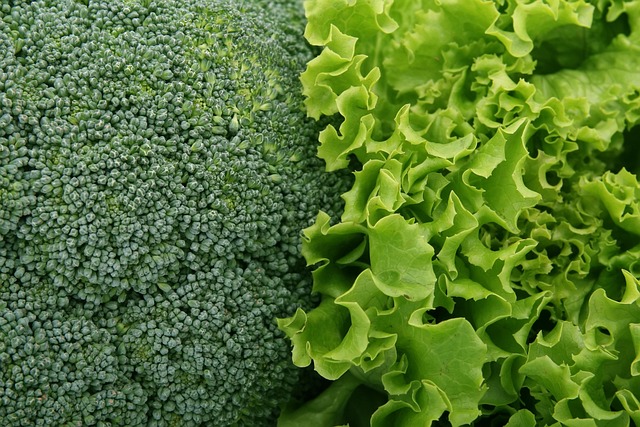
- Lettuce
- Romaine lettuce
Greens discussed with caution
- Spinach
- Kale
- Swiss chard
Veterinary sources emphasise that tolerance varies by plant.
Vegetables Mentioned in Pet-Nutrition Literature
Veterinary and pet-nutrition articles frequently reference these vegetables when discussing leafy greens:
- Lettuce
- Spinach
- Kale
- Chard
Discussions consistently focus on fibre, oxalates, and preparation rather than poisoning.
Frequently Asked Questions (FAQ)
This FAQ summarises themes appearing in veterinary and pet-nutrition articles.
It is informational only and not a substitute for professional veterinary care.
Are leafy greens toxic to dogs?
Veterinary organisations do not classify leafy greens as a group as toxic. Safety depends on the specific vegetable.
Why do veterinary sources mention oxalates?
Oxalates are naturally occurring compounds that may contribute to urinary issues in susceptible dogs.
Are all leafy greens treated the same?
Veterinary guidance stresses that different greens vary significantly in composition and tolerance.
Source Reference
This page compiles information from publicly accessible veterinary and pet-safety resources, including:
-
American Kennel Club (AKC) — “Can Dogs Eat Vegetables?”
https://www.akc.org/expert-advice/nutrition/can-dogs-eat-vegetables/ -
PetMD — “Vegetables Dogs Can and Can’t Eat”
https://www.petmd.com/dog/nutrition/vegetables-dogs-can-and-cant-eat -
VCA Hospitals — “Vegetables and Fruits for Dogs”
https://vcahospitals.com/know-your-pet/vegetables-and-fruits-for-dogs
This page is informational only and does not constitute veterinary or medical advice. Readers are encouraged to review the cited sources directly.