Is Macaroni Safe for Dogs?
Veterinary and pet-nutrition organisations generally classify plain pasta products, including macaroni, as non-toxic to dogs. Macaroni itself is not listed as poisonous by veterinary toxicology authorities.
However, veterinary sources consistently describe macaroni as a food requiring caution. The AKC and PetMD explain that pasta is made from refined grains and offers limited nutritional value for dogs. Additionally, macaroni is rarely consumed alone and is commonly combined with other ingredients that may be unsuitable.
Across veterinary guidance, the primary concerns relate to digestion and preparation, not inherent toxicity.
Why Macaroni Can Be a Problem for Some Dogs
Refined carbohydrates
Pet-nutrition sources note that macaroni is primarily composed of refined carbohydrates, which may contribute to digestive discomfort in some dogs.
Density and starch content
Veterinary articles explain that starchy foods may be harder to digest, particularly when consumed in larger amounts.
Typical preparation methods
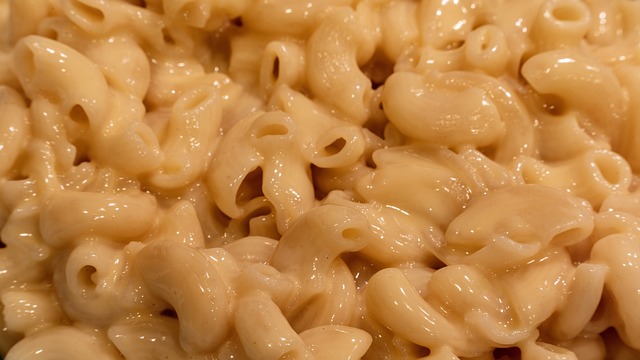
Macaroni is frequently prepared with sauces, cheese, butter, or seasonings that significantly alter its safety profile.
Signs Reported When Dogs React Poorly to Macaroni
Veterinary sources describe the following signs when dogs do not tolerate pasta products well:
- Vomiting
- Diarrhoea
- Gas
- Abdominal discomfort
These effects are generally linked to digestion rather than toxicity.
Ingredients or Additives to Watch For
Macaroni dishes often include ingredients that veterinary organisations flag as unsafe or concerning:
- ❌ Onion or garlic, commonly found in sauces and classified as toxic
- ⚠️ Cheese and dairy, which may cause issues in lactose-intolerant dogs
- ⚠️ High salt levels, often present in prepared dishes
- ⚠️ Added fats or butter, which may worsen digestive upset
Concerns usually arise from preparation rather than macaroni itself.
Puppies vs. Adult Dogs
Veterinary literature notes that puppies may have more sensitive digestive systems. Refined, starchy foods may cause digestive upset more readily in younger dogs, though adult dogs can also be affected.
Other Pasta Products Discussed in Veterinary Sources
Plain pasta
Discussed similarly to macaroni, with emphasis on refined grains.
Baked pasta dishes
Veterinary sources classify these as higher risk due to cheese, sauces, and seasonings.
Filled pasta
Often discussed as higher risk because of added ingredients.
Grain-Based Foods Mentioned in Pet-Nutrition Literature
Veterinary and pet-nutrition articles frequently reference these grain foods when discussing digestion:
- Pasta
- Bread
- Rice
Discussions consistently focus on preparation and additives rather than poisoning.
Frequently Asked Questions (FAQ)
This FAQ summarises themes appearing in veterinary and pet-nutrition articles.
It is informational only and not a substitute for professional veterinary care.
Is macaroni toxic to dogs?
Veterinary organisations do not classify plain macaroni as toxic. It is discussed as a refined grain food that may cause digestive upset.
Is cooked macaroni different from dry pasta?
Veterinary sources focus on digestion rather than toxicity. Macaroni remains non-toxic but may still cause gastrointestinal issues.
Why is macaroni and cheese often mentioned?
Veterinary guidance highlights macaroni dishes because they frequently contain cheese, butter, and seasoning that are unsuitable for dogs.
Source Reference
This page compiles information from publicly accessible veterinary and pet-safety resources, including:
-
American Kennel Club (AKC) — “Can Dogs Eat Pasta?”
https://www.akc.org/expert-advice/nutrition/can-dogs-eat-pasta/ -
PetMD — “Can Dogs Eat Pasta?”
https://www.petmd.com/dog/nutrition/can-dogs-eat-pasta -
VCA Hospitals — “Foods to Avoid Feeding Your Pet”
https://vcahospitals.com/know-your-pet/foods-to-avoid-feeding-your-pet
This page is informational only and does not constitute veterinary or medical advice. Readers are encouraged to review the cited sources directly.