Are Pecans Safe for Dogs?
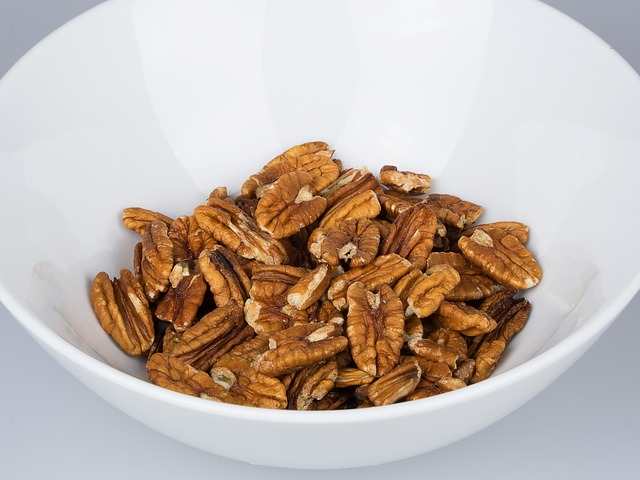
According to veterinary and pet-safety sources including the American Kennel Club, PetMD, and the ASPCA, pecans are considered unsafe for dogs. These sources consistently advise that pecans should not be consumed by dogs due to both chemical and nutritional risks.
Veterinary literature treats pecans similarly to other nuts that are associated with poisoning or severe digestive reactions in dogs.
Why Pecans Can Be Dangerous for Dogs
Mycotoxin risk
Veterinary sources warn that pecans may contain mycotoxins, naturally occurring toxins produced by certain molds. These compounds are associated with neurological and gastrointestinal symptoms in dogs.
High fat content
Pet-nutrition articles frequently note that pecans are very high in fat, which is commonly linked to digestive upset and more serious conditions such as pancreatic irritation in dogs.
Choking and obstruction hazard
Veterinary references also mention that whole pecans can present a choking or intestinal blockage risk, particularly for smaller dogs.
Signs Reported When Dogs React to Pecans
Veterinary toxicology and pet-safety sources list the following signs:
- Vomiting
- Diarrhoea
- Lethargy
- Tremors
More serious signs
- Neurological symptoms linked to mycotoxin exposure
- Pancreatic irritation associated with high-fat foods
Ingredients or Additives of Particular Concern
Veterinary sources highlight additional risks when pecans are prepared or packaged:
- ❌ Salted or seasoned pecans — elevated sodium levels
- ❌ Sugar-coated or candied pecans — added sugars and fats
- ⚠️ Mixed nuts — may include other nuts listed as toxic to dogs
Puppies vs. Adult Dogs
Veterinary sources note that both puppies and adult dogs are at risk from pecan ingestion. Smaller dogs and puppies may be affected by lower amounts due to body size and increased choking risk.
Other Common Variants of Pecans
Raw pecans
Veterinary literature discusses raw pecans as a concern due to potential mold contamination.
Roasted pecans
Pet-safety sources treat roasted pecans similarly, noting that roasting does not remove fat content or toxin risk.
Candied or spiced pecans
Veterinary sources identify these as especially concerning due to added sugar, salt, and spices.
Dog-Friendly Alternatives Mentioned in Pet-Safety Sources
Veterinary and pet-nutrition articles commonly reference the following as safer snack options:
- Fruits listed as safe for dogs
- Vegetables discussed in veterinary nutrition sources
- Commercial dog treats
Frequently Asked Questions (FAQ)
This FAQ summarises themes appearing in veterinary pet-safety articles.
It is informational only and not a substitute for professional veterinary care.
Are pecans toxic to dogs?
Veterinary sources classify pecans as unsafe due to toxin risk and high fat content.
Why are mycotoxins mentioned with pecans?
Pet-safety literature explains that pecans can be contaminated with molds that produce mycotoxins, which can cause neurological and digestive symptoms in dogs.
Are pecans different from peanuts?
Veterinary sources distinguish pecans from peanuts, noting that pecans carry a higher risk due to toxin concerns and fat levels.
Source Reference
This page compiles information from publicly accessible veterinary and pet-safety resources, including:
-
American Kennel Club (AKC) — “Can Dogs Eat Pecans?”
https://www.akc.org/expert-advice/nutrition/can-dogs-eat-pecans/ -
PetMD — “Can Dogs Eat Pecans?”
https://www.petmd.com/dog/nutrition/can-dogs-eat-pecans -
ASPCA — “People Foods to Avoid Feeding Your Pets”
https://www.aspca.org/pet-care/animal-poison-control/people-foods-avoid-feeding-your-pets
This page is informational only and does not constitute veterinary or medical advice. Readers are encouraged to review these sources directly.