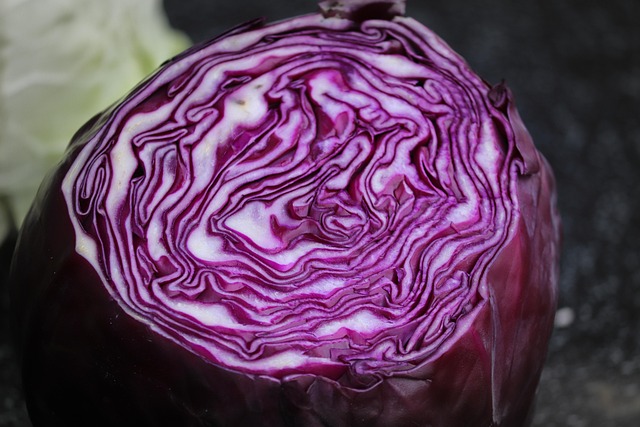
Is Red Cabbage Safe for Dogs?
According to veterinary and pet-nutrition sources including the American Kennel Club and PetMD, red cabbage is considered safe for dogs. These sources do not list cabbage as toxic and discuss it as a non-poisonous vegetable.
Veterinary literature typically addresses cabbage as a group, noting similar considerations across green, red, and savoy varieties.
Why Red Cabbage Is Generally Considered Safe
Non-toxic vegetable
Veterinary toxicology references do not identify red cabbage as containing compounds that are poisonous to dogs.
Naturally occurring plant compounds
Pet-nutrition articles note that cabbage contains isothiocyanates and other sulfur-containing compounds, which are associated with odor and gas rather than toxicity.
Similar treatment across cabbage types
Veterinary sources generally discuss red cabbage alongside other cabbage varieties, with no separate toxicity classification.
Signs Reported When Dogs React Poorly to Red Cabbage
Veterinary and pet-nutrition sources describe occasional digestive effects, which may include:
- Gas or bloating
- Loose stools
- Mild stomach discomfort
These effects are typically attributed to digestive sensitivity rather than poisoning.
Ingredients or Additives to Watch For
Veterinary sources distinguish plain cabbage from prepared dishes:
- ❌ Salt or seasonings — commonly added during cooking
- ❌ Butter or oils — increase fat content
- ❌ Onion or garlic — often included in cabbage dishes and classified as toxic to dogs
- ⚠️ Pickled red cabbage — high salt and vinegar content
Puppies vs. Adult Dogs
Veterinary nutrition sources do not identify red cabbage as an age-specific risk. Digestive sensitivity may vary by individual dog, but red cabbage itself is not listed as unsafe for puppies or adult dogs.
Other Common Variants of Cabbage
Raw red cabbage
Veterinary literature discusses raw cabbage primarily in relation to gas production and digestibility.
Cooked red cabbage
Pet-nutrition sources treat cooked cabbage similarly, noting that preparation affects digestibility more than safety.
Fermented or pickled cabbage
Veterinary sources classify these as different foods due to salt, vinegar, and fermentation byproducts.
Dog-Friendly Alternatives Mentioned in Pet-Nutrition Sources
Veterinary and pet-nutrition articles commonly reference the following vegetables as examples discussed in canine diets:
- Carrots
- Green beans
- Cucumbers
Frequently Asked Questions (FAQ)
This FAQ summarises themes appearing in veterinary pet-nutrition literature.
It is informational only and not a substitute for professional veterinary care.
Is red cabbage toxic to dogs?
Veterinary sources do not classify red cabbage as toxic. It is considered safe from a toxicology standpoint.
Why can cabbage cause gas?
Pet-nutrition literature associates cabbage’s sulfur-containing compounds with gas production during digestion.
Is red cabbage different from green cabbage for dogs?
Veterinary sources generally treat red and green cabbage the same, noting similar safety and digestive considerations.
Source Reference
This page compiles information from publicly accessible veterinary and pet-nutrition resources, including:
-
American Kennel Club (AKC) — “Can Dogs Eat Cabbage?”
https://www.akc.org/expert-advice/nutrition/can-dogs-eat-cabbage/ -
PetMD — “Can Dogs Eat Cabbage?”
https://www.petmd.com/dog/nutrition/can-dogs-eat-cabbage
This page is informational only and does not constitute veterinary or medical advice. Readers are encouraged to review these sources directly.