Are Sausages Safe for Dogs?
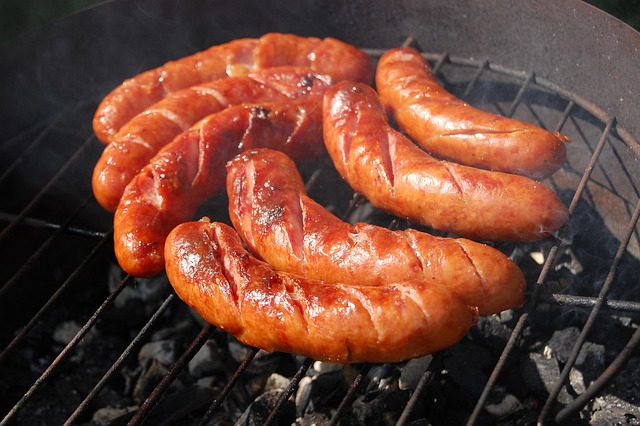
According to veterinary and pet-safety sources including the American Kennel Club, PetMD, and the ASPCA, sausages are considered unsafe for dogs. This classification is not based on plain meat alone, but on the ingredients and processing methods typically used to make sausages.
Veterinary literature consistently groups sausages with processed meats that present multiple, overlapping risks to dogs.
Why Sausages Are Dangerous for Dogs
Onion and garlic
Veterinary toxicology sources identify onion and garlic as toxic to dogs. These ingredients are commonly present in sausages in fresh, cooked, or powdered forms and are associated with red blood cell damage.
High fat content
Pet-nutrition articles frequently note that sausages are very high in fat, which is associated with digestive upset and pancreatic irritation in dogs.
Excess salt and preservatives
Veterinary sources highlight high sodium levels and preservatives in sausages as additional health concerns.
Multiple risk factors combined
Veterinary literature emphasises that sausages combine several hazards at once: toxic ingredients, high fat, high salt, and heavy seasoning.
Signs Reported When Dogs React to Sausages
Veterinary sources list the following signs associated with ingestion of sausage or similar processed meats:
- Vomiting
- Diarrhoea
- Lethargy
More serious signs
- Weakness linked to onion or garlic toxicity
- Abdominal pain
- Signs of pancreatic irritation
Ingredients or Additives of Particular Concern
Veterinary and pet-safety sources consistently identify the following:
- ❌ Onion (fresh or powdered) — toxic to dogs
- ❌ Garlic (fresh or powdered) — toxic to dogs
- ❌ High salt (sodium) — associated with dehydration and systemic effects
- ❌ High fat content — linked to digestive and pancreatic issues
- ⚠️ Preservatives and spices — may contribute to irritation
Puppies vs. Adult Dogs
Veterinary sources indicate that both puppies and adult dogs are at risk from sausage ingestion. Smaller dogs and puppies may be affected by lower amounts due to body size.
Other Common Variants of Sausages
Pork sausages
Veterinary literature treats pork sausages as particularly high in fat and salt.
Beef sausages
Pet-safety sources note similar risks related to seasoning and preservatives.
Chicken or turkey sausages
Veterinary sources clarify that these are not safer alternatives due to the same processing ingredients.
Dog-Friendly Alternatives Mentioned in Pet-Safety Sources
Veterinary and pet-nutrition articles commonly reference the following protein sources as examples discussed in canine diets:
- Plain, unseasoned meats
- Commercial dog foods formulated with meat proteins
- Treats made specifically for dogs
Frequently Asked Questions (FAQ)
This FAQ summarises themes appearing in veterinary toxicology and pet-safety literature.
It is informational only and not a substitute for professional veterinary care.
Are sausages toxic to dogs?
Veterinary sources classify sausages as unsafe due to toxic ingredients and high fat and salt content.
Is plain sausage meat safer?
Pet-safety literature notes that sausage meat typically contains the same seasonings and fat levels, maintaining the same risks.
Are sausages worse than plain cooked meat?
Veterinary sources distinguish sausages from plain meat because of processing, seasoning, and preservatives.
Source Reference
This page compiles information from publicly accessible veterinary and pet-safety resources, including:
-
American Kennel Club (AKC) — “Can Dogs Eat Sausage?”
https://www.akc.org/expert-advice/nutrition/can-dogs-eat-sausage/ -
PetMD — “Can Dogs Eat Sausage?”
https://www.petmd.com/dog/nutrition/can-dogs-eat-sausage -
ASPCA Animal Poison Control — “People Foods to Avoid Feeding Your Pets”
https://www.aspca.org/pet-care/animal-poison-control/people-foods-avoid-feeding-your-pets
This page is informational only and does not constitute veterinary or medical advice. Readers are encouraged to review these sources directly.