Is Sour Cream Safe for Dogs?
Veterinary and pet-nutrition sources generally classify sour cream as non-toxic but potentially problematic for dogs. The AKC and PetMD both note that while sour cream does not contain toxic substances, it is a dairy product with lactose and high fat levels, which may not be well tolerated by all dogs.
VCA Hospitals explains that lactose intolerance is common in dogs, meaning some dogs lack sufficient enzymes to digest dairy products effectively.
Why Sour Cream Can Be a Problem for Some Dogs
Main concerns noted by veterinary sources
- Lactose, which may cause digestive issues in lactose-intolerant dogs
- High fat content, frequently cited as a contributor to gastrointestinal upset
- Added ingredients, such as salt or stabilisers, in commercial products
Portion size and dog size
Veterinary articles note that smaller dogs may experience digestive effects more quickly, but lactose intolerance and fat sensitivity can occur in dogs of all sizes.
Preparation differences
Plain sour cream is discussed differently than flavoured or seasoned varieties. Veterinary sources focus their concerns on commercial sour cream products that may contain added salt, thickeners, or flavourings.
Signs Reported When Dogs React Poorly to Sour Cream
Veterinary and pet-care resources commonly associate reactions with digestive signs, including:
- Diarrhoea
- Gas
- Vomiting
- Abdominal discomfort
Less commonly noted concerns
- Weight gain when high-fat foods are consumed frequently
- Worsening of existing digestive sensitivity
Ingredients or Additives to Watch For
- ❌ High fat content, frequently highlighted in veterinary nutrition articles
- ❌ Added salt, commonly present in packaged dairy products
- ⚠️ Flavourings or stabilisers, sometimes included in reduced-fat or flavoured varieties
Puppies vs. Adult Dogs
Veterinary sources generally note that puppies may be more sensitive to lactose and rich foods due to developing digestive systems. However, lactose intolerance can affect adult dogs as well.
Other Common Dairy Variants
Reduced-fat sour cream
Veterinary sources still note lactose content as a concern, even in reduced-fat versions.
Flavoured sour cream dips
Prepared sour cream dips are discussed cautiously due to added seasonings, salt, and other ingredients not typically included in canine diets.
Dog-Friendly Alternatives Mentioned in Pet-Nutrition Sources
- Plain Greek yogurt
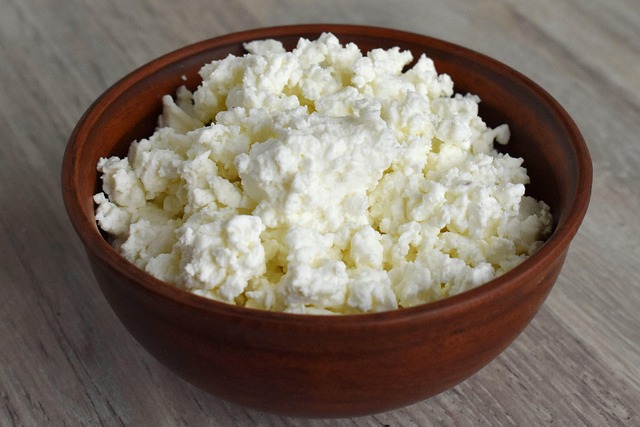
- Cottage cheese
- Commercial dog treats formulated with dairy alternatives
Frequently Asked Questions (FAQ)
This FAQ summarises themes appearing in veterinary pet-care articles.
It is informational only and not a substitute for professional veterinary care.
Is sour cream toxic to dogs?
Veterinary sources do not classify sour cream as toxic, but they consistently highlight digestive risks related to lactose and fat content.
Why do dogs react to dairy products?
According to VCA Hospitals, many dogs are lactose intolerant, meaning they cannot digest lactose efficiently.
Is sour cream different from other dairy products?
Pet-nutrition articles note that sour cream is higher in fat than some other dairy products, which may increase the likelihood of digestive upset.
Source Reference
This page compiles information from publicly accessible veterinary and pet-safety resources, including:
-
American Kennel Club (AKC) — “Can Dogs Eat Sour Cream?”
https://www.akc.org/expert-advice/nutrition/can-dogs-eat-sour-cream/ -
PetMD — “Can Dogs Eat Sour Cream?”
https://www.petmd.com/dog/nutrition/can-dogs-eat-sour-cream -
VCA Hospitals — “Lactose Intolerance in Dogs”
https://vcahospitals.com/know-your-pet/lactose-intolerance-in-dogs
This page is informational only and does not constitute veterinary or medical advice. Readers are encouraged to review the cited sources directly.