Is Sugar Safe for Dogs?
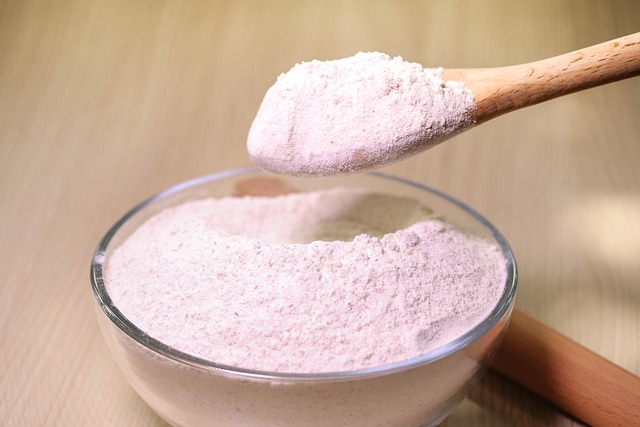
Veterinary and pet-nutrition sources generally agree that sugar is not toxic to dogs, but it is consistently discussed with caution. The AKC and PetMD both note that while sugar does not cause poisoning in dogs, it offers no nutritional benefit and may contribute to digestive and metabolic concerns.
VCA Hospitals similarly explains that sugars and sweeteners are not necessary components of a dog’s diet and may lead to unwanted health effects when consumed.
Why Sugar Can Be a Problem for Some Dogs
Main concerns noted by veterinary sources
- Digestive upset, including diarrhoea or vomiting
- Weight gain, associated with excess caloric intake
- Dental issues, linked to sugar exposure
Portion size and dog size
Veterinary articles note that smaller dogs may experience effects more quickly due to lower body weight. However, excess sugar intake can affect dogs of any size.
Preparation differences
Sugar on its own is discussed differently from sugary foods, which may contain additional ingredients such as chocolate, artificial sweeteners, or fats that raise separate concerns.
Signs Reported When Dogs React Poorly to Sugar
Veterinary and pet-care resources commonly associate sugar intake with the following signs:
- Diarrhoea
- Vomiting
- Gas
- Temporary lethargy
Longer-term concerns noted in veterinary literature
- Obesity
- Dental disease
- Increased risk of metabolic issues
Ingredients or Additives to Watch For
- ❌ Artificial sweeteners, especially xylitol, which is classified as toxic to dogs by ASPCA/APCC
- ❌ Chocolate, commonly present in baked goods and listed as toxic
- ⚠️ High-fat ingredients, which may compound digestive effects
Puppies vs. Adult Dogs
Veterinary sources generally indicate that puppies may be more sensitive to dietary imbalances due to developing digestive systems. However, excess sugar intake is discussed as undesirable for dogs of all ages.
Other Common Sugar Variants
Brown sugar and powdered sugar
Veterinary articles do not distinguish these from white sugar in terms of toxicity, focusing instead on overall sugar intake.
Sugary baked goods
Baked goods are discussed separately in veterinary literature due to additional ingredients such as fats, chocolate, or artificial sweeteners.
Dog-Friendly Alternatives Mentioned in Pet-Nutrition Sources
- Plain water
- Balanced commercial dog foods
- Veterinary-formulated dog treats
Frequently Asked Questions (FAQ)
This FAQ summarises themes appearing in veterinary pet-care articles.
It is informational only and not a substitute for professional veterinary care.
Is sugar toxic to dogs?
Veterinary sources do not classify sugar as toxic, but they consistently highlight digestive and health risks associated with excess intake.
Why do veterinarians discourage sugary foods?
Pet-nutrition articles explain that sugar provides no nutritional benefit for dogs and may contribute to obesity and dental disease.
Is sugar different from artificial sweeteners?
Veterinary toxicology sources clearly distinguish sugar from artificial sweeteners, noting that some sweeteners, such as xylitol, are toxic to dogs.
Source Reference
This page compiles information from publicly accessible veterinary and pet-safety resources, including:
-
American Kennel Club (AKC) — “Can Dogs Eat Sugar?”
https://www.akc.org/expert-advice/nutrition/can-dogs-eat-sugar/ -
PetMD — “Can Dogs Eat Sugar?”
https://www.petmd.com/dog/nutrition/can-dogs-eat-sugar -
VCA Hospitals — “Sugars and Sweeteners in Pet Foods”
https://vcahospitals.com/know-your-pet/sugars-and-sweeteners-in-pet-foods
This page is informational only and does not constitute veterinary or medical advice. Readers are encouraged to review the cited sources directly.