Is Almond Milk Safe for Dogs?
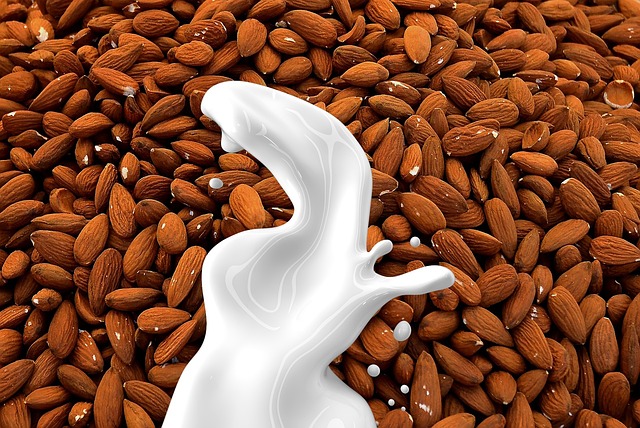
According to the AKC, almond milk is not toxic to dogs, but it is not recommended as a regular part of a dog’s diet. The AKC notes that almond milk offers little nutritional benefit for dogs and may cause digestive upset in some cases.
Source: https://www.akc.org/expert-advice/nutrition/can-dogs-drink-almond-milk/
Pet Poison Helpline similarly states that almond milk is generally safe in small amounts but highlights that many commercial products contain additives that may be problematic for dogs.
Source: https://www.petpoisonhelpline.com/pet-safety-tips/is-almond-milk-safe-for-dogs/
Across veterinary guidance, almond milk is typically classified as a low-risk but unnecessary food for dogs.
Why Almond Milk Can Be a Problem for Some Dogs
Main considerations
- Added ingredients: Many almond milk products contain sweeteners, thickeners, or flavourings.
- Digestive sensitivity: Some dogs may experience stomach upset after consuming plant-based milks.
- Low nutritional value: Veterinary sources note that almond milk does not provide meaningful nutrients for dogs.
Portion size and dog size
Smaller dogs may be more affected by additives or fat content because even small amounts represent a higher relative intake.
Preparation differences
Veterinary organisations distinguish between:
- Unsweetened almond milk (lower risk)
- Sweetened or flavoured almond milk (more likely to contain unsuitable ingredients)
- Barista-style or enriched almond milk (often higher in fats or additives)
Signs Reported When Dogs React Poorly to Almond Milk
- Diarrhoea
- Gas
- Vomiting
These signs are typically mild and related to digestive sensitivity rather than toxicity.
Ingredients or Additives to Watch For
- ❌ Xylitol (highly toxic to dogs and sometimes used in low-sugar products)
- ❌ Added sugars or syrups
- ⚠️ Carrageenan or gums (linked in veterinary discussions to digestive upset in some dogs)
Puppies vs. Adult Dogs
Veterinary sources do not distinguish significantly between puppies and adult dogs for almond milk. However, puppies may be more sensitive to digestive upset due to their developing gastrointestinal systems.
Other Common Variants of Almond Milk
Sweetened Almond Milk
More likely to cause digestive upset due to added sugars.
Vanilla-Flavoured Almond Milk
Often contains flavourings and sweeteners that are not evaluated as suitable for dogs.
Homemade Almond Milk
May avoid some additives but still provides little nutritional value for dogs, according to veterinary sources.
Dog-Friendly Alternatives Mentioned in Pet-Nutrition Sources
- Plain water
- Plain lactose-free milk (for dogs that tolerate dairy)
- Plain Greek yogurt (unsweetened)
- Commercial dog treats
Frequently Asked Questions (FAQ)
This FAQ summarises themes appearing in veterinary pet-care articles.
It is informational only and not a substitute for professional veterinary care.
Is almond milk toxic to dogs?
No. Veterinary organisations classify almond milk as non-toxic.
Can almond milk cause diarrhoea?
Yes. Digestive upset has been reported, especially with sweetened or flavoured products.
Is almond milk better than regular milk?
Veterinary sources note that almond milk avoids lactose but introduces other additives and does not provide nutritional benefits for dogs.
Source Reference
This page compiles information from publicly accessible veterinary and pet-safety resources, including:
-
AKC — “Can Dogs Drink Almond Milk?”
https://www.akc.org/expert-advice/nutrition/can-dogs-drink-almond-milk/ -
Pet Poison Helpline — “Is Almond Milk Safe for Dogs?”
https://www.petpoisonhelpline.com/pet-safety-tips/is-almond-milk-safe-for-dogs/
This page is informational only and does not constitute veterinary or medical advice. Readers are encouraged to review these sources directly.