Is Almond Safe for Dogs?
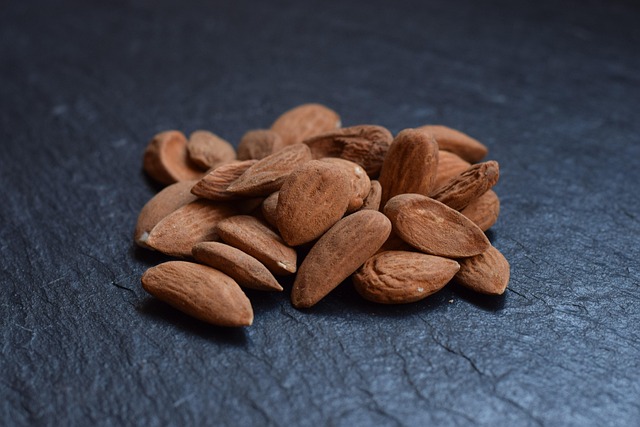
Major veterinary organisations do not classify almonds as highly toxic, but they consistently describe them as unsuitable for dogs. The AKC notes that dogs have difficulty digesting almonds and that ingestion may contribute to gastrointestinal upset. Almonds also pose a notable choking risk, especially for small or brachycephalic breeds.
Source: https://www.akc.org/expert-advice/nutrition/can-dogs-eat-almonds/
The ASPCA lists nuts among foods that can contribute to digestive issues in pets, highlighting concerns such as fat content and seasoning additives.
Source: https://www.aspca.org/pet-care/general-pet-care/people-foods-pets-should-never-eat
Veterinary literature, including VCA Hospitals, reports that high-fat foods may contribute to pancreatitis, a condition linked to ingestion of fatty human snacks, including nuts.
Source: https://vcahospitals.com/know-your-pet/pancreatitis-in-dogs
Why Almonds Can Be a Problem for Some Dogs
Main compounds of concern
- High fat content, which veterinary sources associate with digestive upset and, in some cases, pancreatitis.
- Sodium and flavourings, commonly added to packaged almonds, which are noted by pet-safety organisations as potential concerns.
Portion size and dog size
Veterinary discussions point out that whole almonds pose a choking or obstruction risk, especially for smaller dogs.
Preparation differences
Flavoured almonds (salted, seasoned, honey-roasted, chocolate-coated) introduce ingredients consistently listed as unsuitable for dogs in veterinary toxicology references.
Signs Reported When Dogs React Poorly to Almonds
Veterinary sources list the following signs:
- Vomiting
- Diarrhoea
- Gas or bloating
More serious signs
- Signs consistent with pancreatitis (abdominal discomfort, decreased appetite), as described in VCA clinical summaries.
Ingredients or Additives to Watch For
- ❌ Salt and flavourings (often present in commercial almond products; noted as concerns in ASPCA and AKC articles)
- ❌ Chocolate coatings (chocolate is toxic to dogs)
- ⚠️ Seasoning mixes (may contain onion/garlic powders, which are toxic according to ASPCA/APCC)
Puppies vs. Adult Dogs
Due to smaller size and less developed digestive systems, puppies may experience discomfort more readily when ingesting high-fat or difficult-to-digest foods such as almonds. Veterinary sources describe the same concerns for both age groups but note that very small dogs are at higher physical-obstruction risk.
Other Common Variants of Almonds
Salted or Flavoured Almonds
Veterinary organisations emphasise that added salt, sweeteners, and seasonings—common in flavoured almonds—are unsuitable for dogs.
Almond Butter
Almond butter is sometimes mentioned in pet-care discussions as less of a choking hazard, but veterinary sources still highlight concerns about fat content and potential additives such as xylitol.
Almond Milk
Veterinary sources describe almond milk as generally non-toxic, but note that some products contain added sugars or artificial sweeteners (particularly xylitol), which are classified as toxic for dogs.
Dog-Friendly Alternatives Mentioned in Pet-Nutrition Sources
- Carrot sticks
- Plain Greek yogurt
- Apple slices (seedless)
- Commercial dog treats
Frequently Asked Questions (FAQ)
This FAQ summarises themes appearing in veterinary pet-care articles.
It is informational only and not a substitute for professional veterinary care.
Are almonds toxic to dogs?
Almonds are not classified as highly toxic by veterinary toxicology sources, but they are widely considered unsuitable due to digestive difficulty, high fat content, and obstruction risks.
Can dogs eat almond butter?
Almond butter reduces the choking risk, but concerns remain regarding fat content and potential additives such as xylitol.
Are salted almonds dangerous?
Veterinary organisations highlight added salt and flavourings as unsuitable for dogs, contributing to the overall classification of almonds as not recommended.
Source Reference
This page compiles information from publicly accessible veterinary and pet-safety resources, including:
-
AKC — “Can Dogs Eat Almonds?”
https://www.akc.org/expert-advice/nutrition/can-dogs-eat-almonds/ -
ASPCA — “People Foods Pets Should Never Eat”
https://www.aspca.org/pet-care/general-pet-care/people-foods-pets-should-never-eat -
VCA Hospitals — “Pancreatitis in Dogs”
https://vcahospitals.com/know-your-pet/pancreatitis-in-dogs
This page is informational only and does not constitute veterinary or medical advice. Readers are encouraged to review these sources directly.