Is Nut Butter Safe for Dogs?
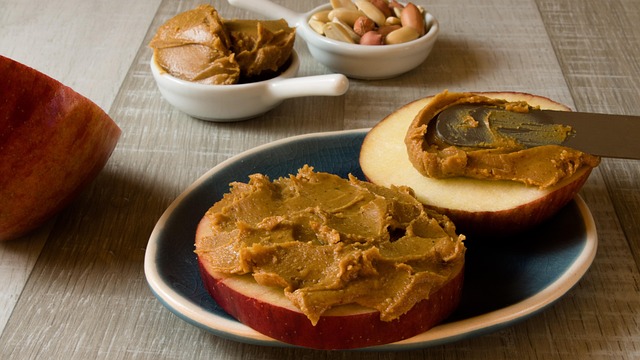
Veterinary and pet-nutrition organisations explain that nut butter is not a single product, but a category that includes many different formulations. Some nut butters are not classified as toxic, while others pose serious risks.
The AKC and PetMD note that plain nut butters made from a single nut ingredient are generally non-toxic. However, the ASPCA warns that xylitol, an artificial sweetener used in some nut butters, is extremely toxic to dogs. Because ingredient lists vary widely, nut butter is treated as a food requiring caution.
Across veterinary guidance, safety depends on specific ingredients, not the nut butter category as a whole.
Why Nut Butter Can Be a Problem for Some Dogs
Xylitol risk
Veterinary toxicology sources classify xylitol as highly toxic to dogs. Even small amounts can cause rapid drops in blood sugar and liver failure.
High fat content
Pet-nutrition articles note that nut butters are calorie-dense and high in fat, which may cause digestive upset in some dogs.
Added salt and sugars
Veterinary sources highlight that many commercial nut butters contain added salt or sugars, increasing digestive and metabolic concerns.
Signs Reported When Dogs React Poorly to Nut Butter
Veterinary sources describe the following signs related to nut butter ingestion:
- Vomiting
- Diarrhoea
- Abdominal discomfort
More serious signs (xylitol exposure)
- Weakness
- Tremors
- Collapse
- Seizures
Xylitol-related signs can develop rapidly.
Ingredients or Additives to Watch For
Nut butter products vary widely and may include ingredients that veterinary organisations explicitly classify as unsafe:
- ❌ Xylitol, classified as extremely toxic to dogs
- ⚠️ High fat levels, inherent to nut butters
- ⚠️ Added salt, common in processed products
- ⚠️ Added sugars or flavourings, which increase risk
Ingredient lists are the key determinant of safety.
Puppies vs. Adult Dogs
Veterinary literature notes that xylitol toxicity affects dogs of all ages. Puppies may also be more sensitive to high-fat foods due to immature digestive systems.
Types of Nut Butter Discussed in Veterinary Sources
Peanut butter
Most commonly discussed; non-toxic in principle but dangerous if xylitol is present.
Almond butter
Veterinary sources note similar fat-related concerns and ingredient variability.
Mixed nut butters
Often treated with caution due to multiple ingredients and additives.
Nut-Based Foods Mentioned in Pet-Safety Literature
Veterinary and pet-safety organisations frequently reference:
- Nut butters
- Whole nuts
- Nut-based spreads
Discussions consistently focus on ingredient lists and toxic sweeteners rather than nuts alone.
Frequently Asked Questions (FAQ)
This FAQ summarises themes appearing in veterinary and pet-safety articles.
It is informational only and not a substitute for professional veterinary care.
Is nut butter toxic to dogs?
Veterinary organisations do not classify all nut butters as toxic, but products containing xylitol are extremely dangerous.
Why is xylitol mentioned so often?
The ASPCA and other veterinary sources list xylitol as one of the most dangerous food additives for dogs.
Are all nut butters the same?
Veterinary guidance emphasises that formulations vary widely, and safety depends on ingredients.
Source Reference
This page compiles information from publicly accessible veterinary and pet-safety resources, including:
-
American Kennel Club (AKC) — “Can Dogs Eat Peanut Butter?”
https://www.akc.org/expert-advice/nutrition/can-dogs-eat-peanut-butter/ -
PetMD — “Is Peanut Butter Safe for Dogs?”
https://www.petmd.com/dog/nutrition/is-peanut-butter-safe-for-dogs -
ASPCA Animal Poison Control — “People Foods to Avoid Feeding Your Pets”
https://www.aspca.org/pet-care/animal-poison-control/people-foods
This page is informational only and does not constitute veterinary or medical advice. Readers are encouraged to review the cited sources directly.