Is Peanut Butter Safe for Dogs?
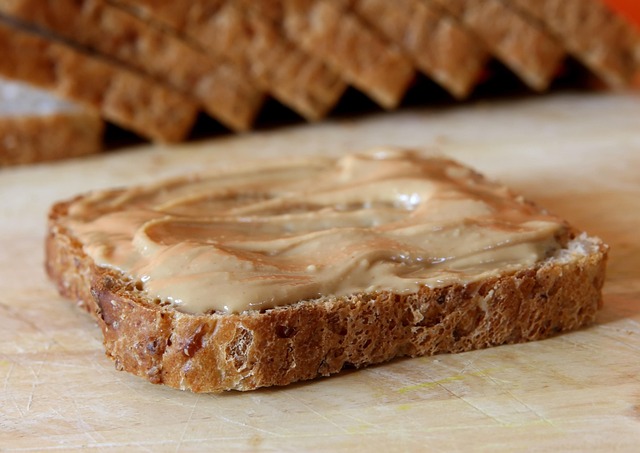
According to the AKC, plain peanut butter that does not contain xylitol is generally safe for dogs, and many commercially available products are tolerated well when they are free from harmful additives.
Source: https://www.akc.org/expert-advice/nutrition/can-dogs-eat-peanut-butter/
Pet Poison Helpline strongly warns that some peanut butters contain xylitol, a sweetener that is extremely toxic to dogs and can cause a rapid drop in blood sugar or liver failure.
Source: https://www.petpoisonhelpline.com/pet-safety-tips/is-peanut-butter-safe-for-dogs/
The ASPCA notes that foods with added sugars, fats, or artificial sweeteners may cause digestive upset or introduce toxic ingredients.
Source: https://www.aspca.org/pet-care/general-pet-care/people-foods-pets-should-never-eat
Why Peanut Butter Can Be a Problem for Some Dogs
Main considerations
- Xylitol: A highly toxic sweetener that can cause severe symptoms even in small amounts.
- High fat content: May contribute to vomiting, diarrhoea, or pancreatitis.
- High salt or sugar: Present in some brands and considered unsuitable by veterinary nutrition sources.
Portion size and dog size
Smaller dogs may be more affected by high-fat or high-salt products because a small amount represents a relatively larger intake for their size.
Preparation differences
Veterinary sources distinguish between:
- Plain, unsweetened peanut butter (generally safe)
- Sugar-free or “low-carb” peanut butter (may contain xylitol)
- Peanut butter-flavoured snacks (may contain salt, sugar, or additives)
Signs Reported When Dogs React Poorly to Peanut Butter
- Diarrhoea
- Vomiting
- Gas or bloating
More serious signs (linked to xylitol ingestion)
- Weakness
- Tremors
- Seizures
- Collapse
Signs of xylitol poisoning are widely documented in veterinary toxicology materials.
Ingredients or Additives to Watch For
- ❌ Xylitol (extremely toxic to dogs)
- ❌ Added sugars or sweeteners
- ⚠️ High sodium levels (often found in processed nut butters)
Puppies vs. Adult Dogs
Veterinary sources emphasise the same concerns for all ages, but puppies may be more sensitive to high-fat or high-sodium foods due to their smaller size and developing digestive systems.
Other Common Variants of Peanut Butter
Natural Peanut Butter
Often contains only peanuts and salt. Safer when xylitol-free, though salt levels vary.
Sugar-Free Peanut Butter
May contain xylitol and is considered dangerous by veterinary organisations.
Powdered Peanut Butter
Lower in fat but still requires checking the ingredient list for sweeteners.
Dog-Friendly Alternatives Mentioned in Pet-Nutrition Sources
- Plain pumpkin purée
- Mashed banana
- Carrot sticks
- Commercial dog treats
Frequently Asked Questions (FAQ)
This FAQ summarises themes appearing in veterinary pet-care articles.
It is informational only and not a substitute for professional veterinary care.
Is all peanut butter safe for dogs?
No. Peanut butter containing xylitol is toxic, and some products have added ingredients that are unsuitable for dogs.
How can I tell if peanut butter contains xylitol?
Veterinary sources recommend checking ingredient labels carefully, as xylitol may be listed under various names such as “birch sugar.”
Is crunchy peanut butter safe?
Crunchy varieties are similar in safety to smooth versions but may pose a minor choking risk for very small dogs.
Source Reference
This page compiles information from publicly accessible veterinary and pet-safety resources, including:
-
AKC — “Can Dogs Eat Peanut Butter?”
https://www.akc.org/expert-advice/nutrition/can-dogs-eat-peanut-butter/ -
Pet Poison Helpline — “Is Peanut Butter Safe for Dogs?”
https://www.petpoisonhelpline.com/pet-safety-tips/is-peanut-butter-safe-for-dogs/ -
ASPCA — “People Foods Pets Should Never Eat”
https://www.aspca.org/pet-care/general-pet-care/people-foods-pets-should-never-eat
This page is informational only and does not constitute veterinary or medical advice. Readers are encouraged to review these sources directly.