Are Blueberries Safe for Dogs?
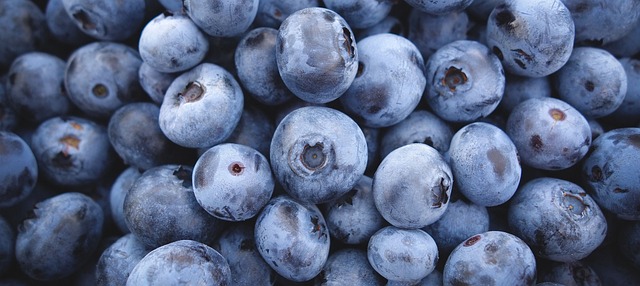
According to the AKC, blueberries are considered safe for dogs and are frequently mentioned as a dog-friendly fruit option. They are described as low in calories and a natural source of antioxidants and vitamins.
Source: https://www.akc.org/expert-advice/nutrition/can-dogs-eat-blueberries/
The ASPCA lists blueberries among fruits that do not appear on toxic plant lists and does not classify them as containing harmful compounds for dogs when served plain.
Source: https://www.aspca.org/pet-care/general-pet-care/people-foods-pets-should-never-eat
VCA Hospitals notes that fruits containing natural vitamins and fibre may contribute to a balanced diet when served appropriately, though blueberries are not highlighted as a concern in veterinary toxicology references.
Source: https://vcahospitals.com/know-your-pet/vitamins-in-dogs
Why Blueberries Can Be a Problem for Some Dogs
Main considerations
- High fibre content: While not harmful, veterinary sources note that sudden increases in fibre may contribute to mild digestive upset in some dogs.
- Sugar content: Blueberries contain natural sugars; excessive quantities may cause soft stools in sensitive dogs.
Portion size and dog size
Large quantities may be more likely to cause digestive issues in small dogs because of fibre concentration relative to body weight.
Preparation differences
Veterinary sources consistently emphasise that plain blueberries are safe, while products containing sweeteners, syrups, or additives are not evaluated the same way.
Signs Reported When Dogs React Poorly to Blueberries
- Soft stools
- Gas
- Mild digestive upset
Less common signs
- Vomiting (typically linked to overconsumption rather than toxicity)
Ingredients or Additives to Watch For
- ❌ Xylitol (found in some sugar-free blueberry products; classified as highly toxic to dogs)
- ❌ Sugar syrups (common in canned or preserved blueberries and frequently noted as unsuitable for dogs)
- ⚠️ Baked goods containing blueberries (may include chocolate, raisins, nutmeg, or added fats)
Puppies vs. Adult Dogs
Veterinary sources do not distinguish major risks for puppies beyond the general caution regarding choking hazards and digestive sensitivity due to size. Blueberries are generally categorised as safe for both age groups when plain.
Other Common Variants of Blueberries
Frozen Blueberries
Frequently mentioned in pet-nutrition discussions as similar to fresh blueberries. Veterinary sources do not classify them differently, though very hard frozen pieces may present a minor choking risk for small dogs.
Blueberry-Flavoured Products
Items such as blueberry yogurt, granola bars, or pastries often contain added sugars, xylitol, or other ingredients that are unsuitable for dogs according to ASPCA and VCA guidelines.
Dog-Friendly Alternatives Mentioned in Pet-Nutrition Sources
- Apple slices (seedless)
- Carrot sticks
- Banana pieces
- Commercial dog treats
Frequently Asked Questions (FAQ)
This FAQ summarises themes appearing in veterinary pet-care articles.
It is informational only and not a substitute for professional veterinary care.
Are blueberries healthy for dogs?
Veterinary organisations note their antioxidant and vitamin content, describing blueberries as a safe fruit option when served plain.
Can blueberries cause digestive upset?
Large amounts may cause loose stools or gas due to fibre content.
Are dried blueberries safe?
Dried fruits contain concentrated sugars; veterinary sources often list dried fruits as more likely to cause digestive issues than fresh varieties.
Source Reference
This page compiles information from publicly accessible veterinary and pet-safety resources, including:
-
AKC — “Can Dogs Eat Blueberries?”
https://www.akc.org/expert-advice/nutrition/can-dogs-eat-blueberries/ -
ASPCA — “People Foods Pets Should Never Eat”
https://www.aspca.org/pet-care/general-pet-care/people-foods-pets-should-never-eat -
VCA Hospitals — “Vitamins in Dogs”
https://vcahospitals.com/know-your-pet/vitamins-in-dogs
This page is informational only and does not constitute veterinary or medical advice. Readers are encouraged to review these sources directly.