 Caution
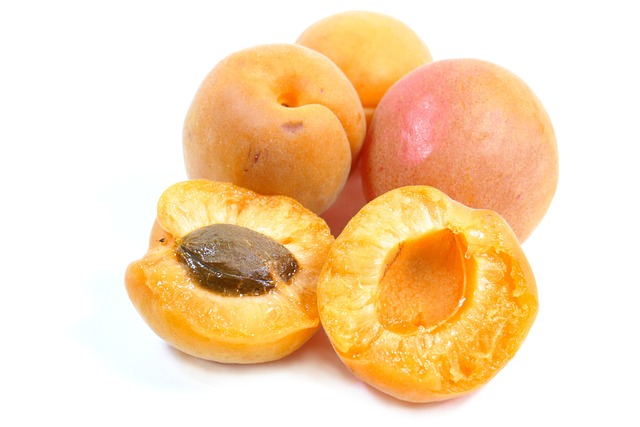
 Apricot
Veterinary organisations note that apricot flesh is not toxic to dogs, but the pit, stem, and leaves contain compounds that can release cyanide and are considered dangerous.
Read full guide →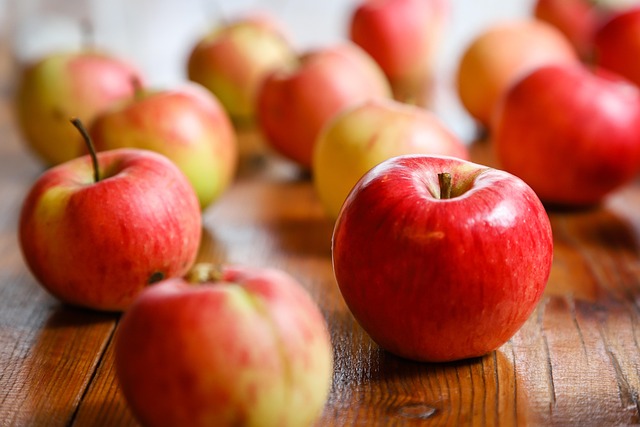 Caution
 Apple
Veterinary sources generally consider plain apple flesh safe for dogs, while noting that seeds and cores contain compounds of concern and should not be eaten.
Read full guide →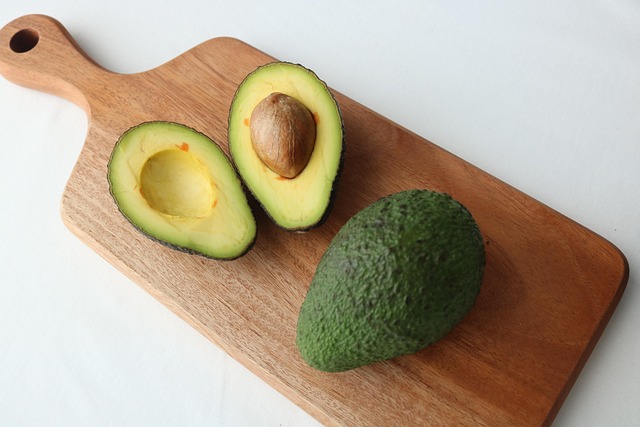 Caution
 Avocado
The popular 'avocado is toxic to dogs' framing overgeneralises from genuine bird and horse data. The Pet Poison Helpline states 'avocado is non-toxic to dogs and cats' — the only documented danger for dogs is the pit as a mechanical obstruction hazard. The real concerns are the fat load and the pit. This page corrects the record.
Read full guide →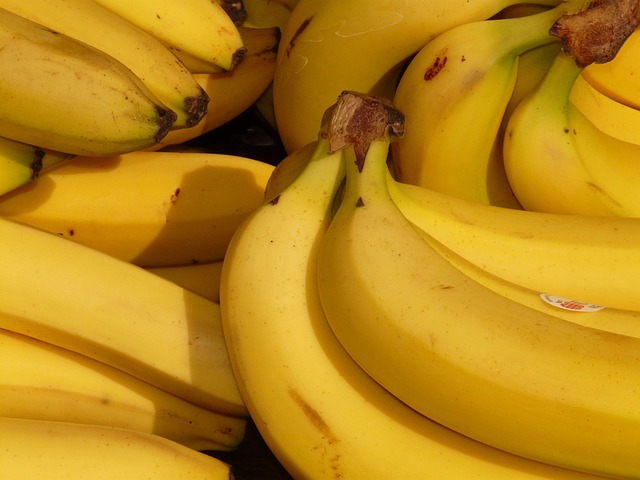 Safe
Safe Bananas
Veterinary organisations generally classify bananas as safe for dogs when eaten plain, while noting their natural sugar content and fibre levels.
Read full guide →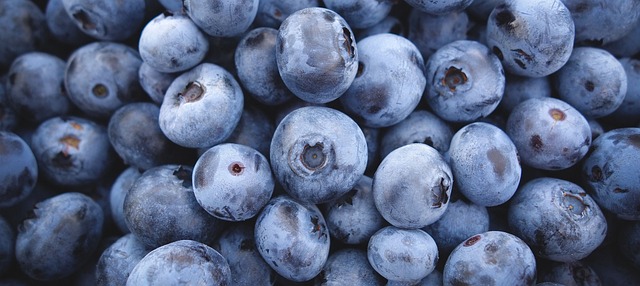 Safe
Safe Blueberries
Veterinary organisations such as the AKC describe blueberries as safe for dogs, noting their low calorie content and antioxidant profile.
Read full guide →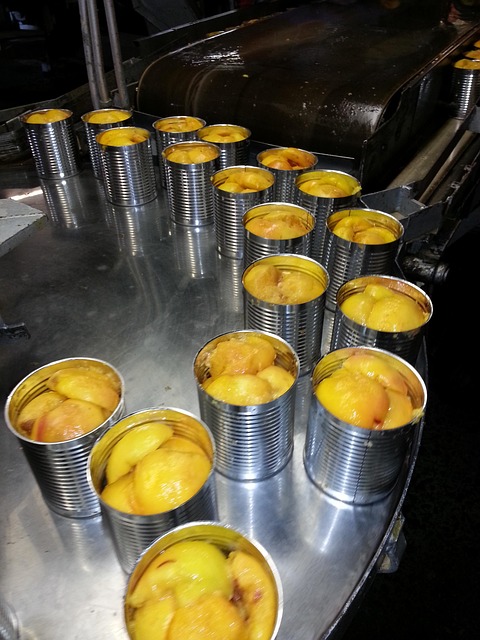 Caution
 Canned Peaches
Veterinary pet-care sources state that peaches themselves are not toxic to dogs, but canned peaches often contain added sugar or syrup that may contribute to digestive upset and other health concerns.
Read full guide →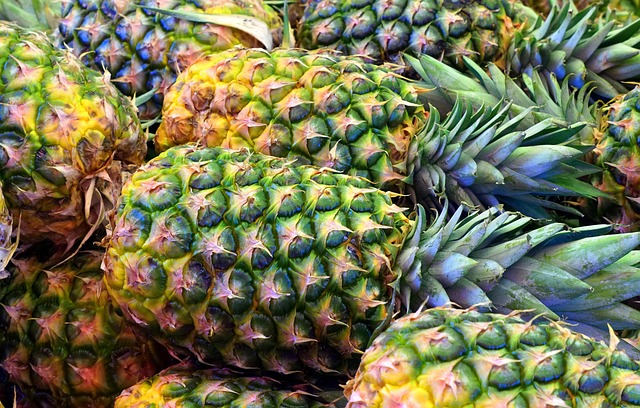 Caution
 Canned Pineapple
Veterinary pet-care sources state that pineapple flesh is not toxic to dogs, but canned pineapple is often packed in sugary syrup, which may contribute to digestive upset and other health concerns.
Read full guide →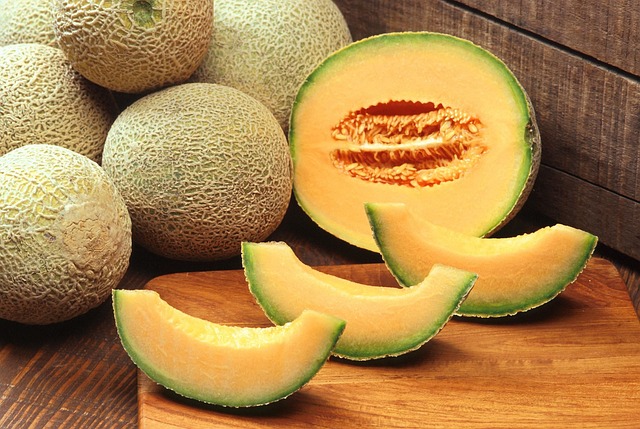 Caution
 Cantaloupe
Veterinary pet-care sources state that cantaloupe flesh is not toxic to dogs, but its high natural sugar content and the rind can pose digestive or choking concerns.
Read full guide →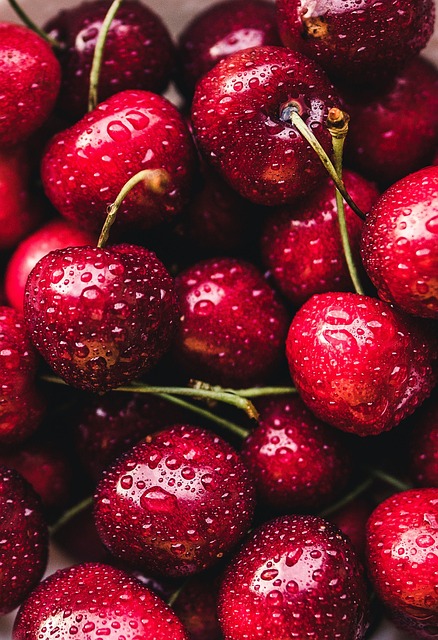 Toxic
Toxic Cherries
Veterinary pet-safety sources classify cherries as unsafe for dogs because the pits, stems, and leaves contain cyanogenic compounds, and the pits also present a choking or intestinal obstruction risk.
Read full guide →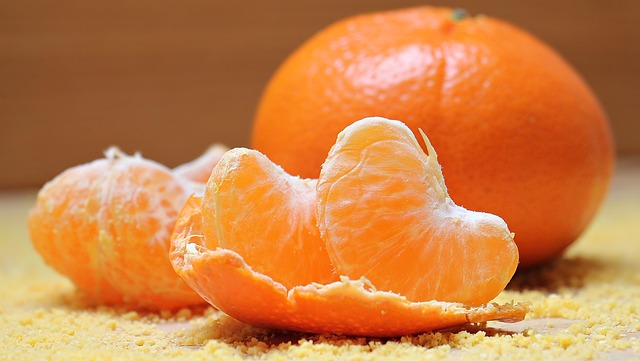 Caution
 Clementines
Veterinary pet-care sources state that clementine flesh is not toxic to dogs, but concerns are noted around sugar content, acidity, and the peel, which may cause digestive upset.
Read full guide →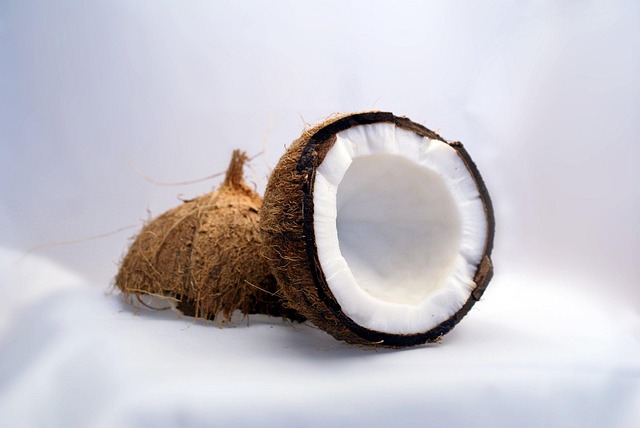 Caution
 Coconut
Veterinary pet-care sources state that coconut flesh is not toxic to dogs, but its high fat content may contribute to digestive upset and other health concerns.
Read full guide →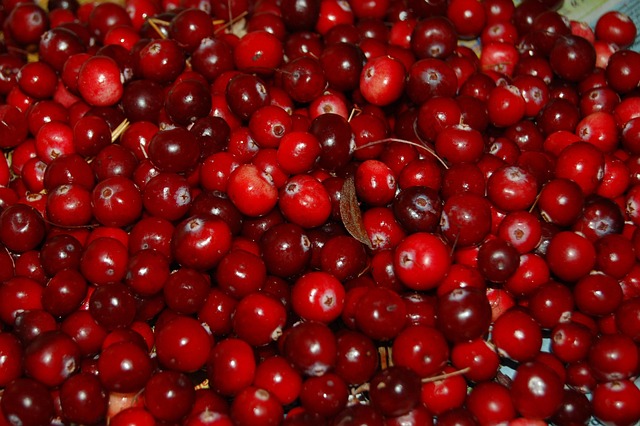 Caution
 Cranberries
Veterinary pet-care sources state that cranberries are not toxic to dogs, but their acidity and sugar content—especially in dried or processed forms—may cause digestive upset.
Read full guide → Caution
 Dates
Veterinary pet-care sources state that dates are not toxic to dogs, but their high sugar content and the presence of pits are associated with digestive upset and choking or obstruction risks.
Read full guide →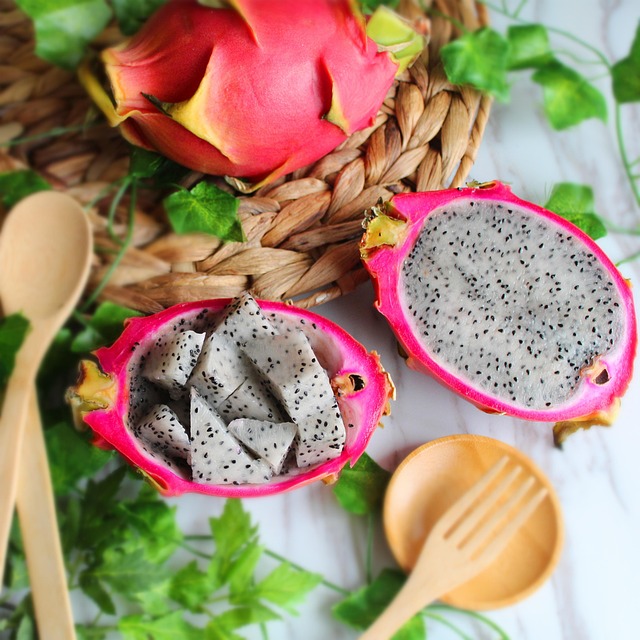 Safe
Safe Dragon Fruit
Veterinary pet-care sources state that dragon fruit is non-toxic to dogs and is generally safe when served plain, with digestive tolerance being the main consideration.
Read full guide →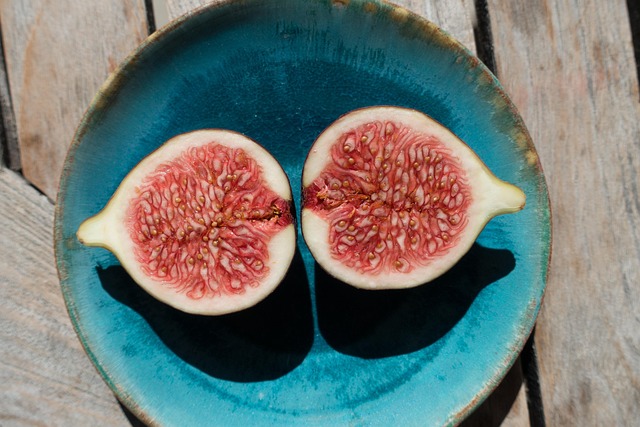 Caution
 Figs
Veterinary pet-care sources state that figs are not toxic to dogs, but they may cause digestive upset and allergic-type reactions in some dogs, particularly due to natural sugars and plant compounds.
Read full guide →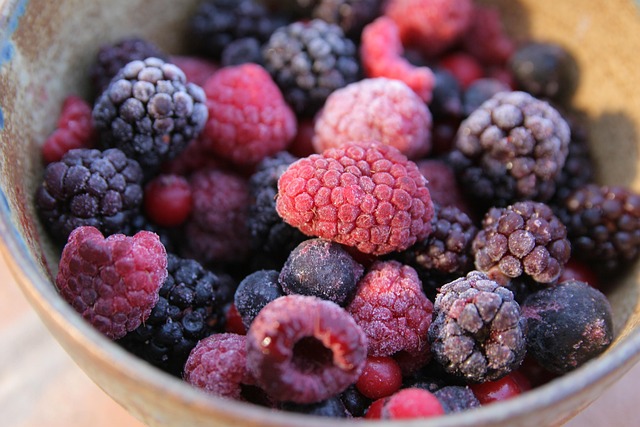 Caution
 Frozen Berries
Veterinary and pet-nutrition sources generally describe many common berries as safe for dogs, but note that some berries are toxic and that mixed or processed frozen products can introduce risks.
Read full guide →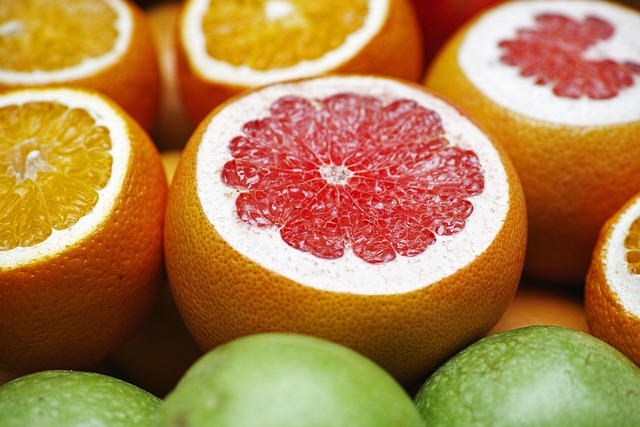 Caution
 Grapefruit
Veterinary and pet-nutrition sources describe grapefruit flesh as non-toxic to dogs but highlight risks related to acidity, bitterness, and toxic compounds in the peel, pith, and seeds.
Read full guide →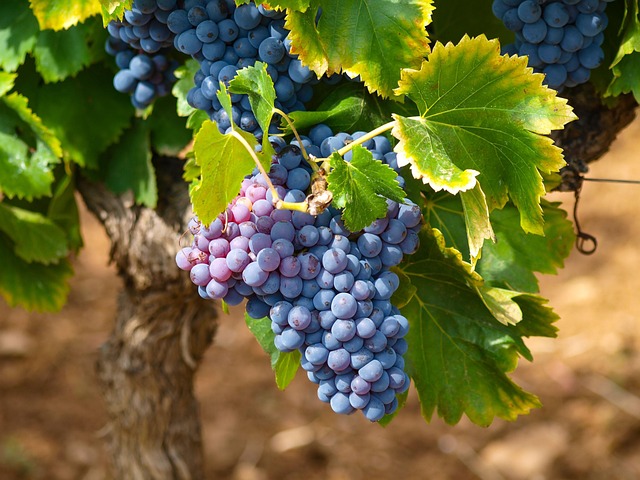 Toxic
Toxic Grapes
Veterinary toxicology organisations classify grapes and raisins as toxic to dogs because they have been linked to sudden kidney failure, although the exact toxic compound is still unknown.
Read full guide → Caution
 Kiwi
Veterinary and pet-nutrition sources generally describe kiwi fruit as non-toxic to dogs, but note risks related to digestive upset, high fibre content, acidity, and choking hazards from skin.
Read full guide → Caution
 Lemon
Veterinary organisations note that lemons are not typically associated with severe poisoning in dogs, but their citric acid, essential oils, and plant compounds may cause digestive upset or irritation.
Read full guide →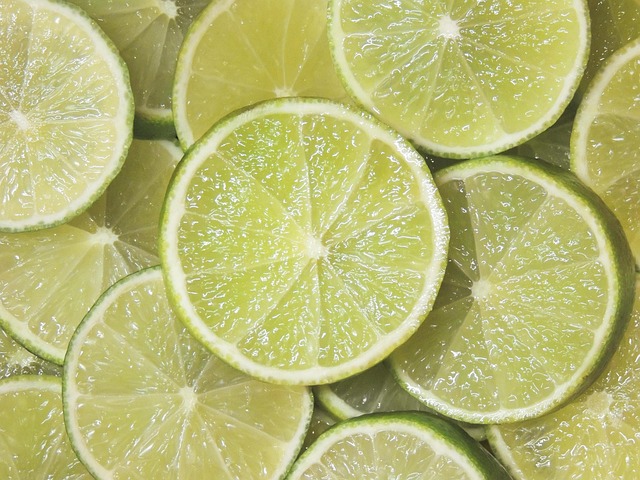 Caution
 Lime
Veterinary organisations note that limes are not considered a safe food for dogs due to their high acidity and plant compounds that may cause digestive upset or irritation.
Read full guide → Caution
 Mango
Veterinary and pet-nutrition sources generally describe mango flesh as non-toxic to dogs, but note risks related to high sugar content and choking or obstruction hazards from the pit and skin.
Read full guide →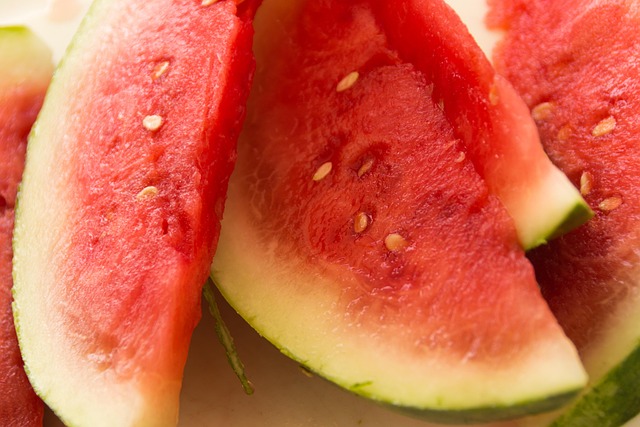 Safe
Safe Melon
Veterinary organisations generally classify common melons as safe for dogs when eaten plain, while noting that seeds, rinds, and high sugar content may cause digestive issues.
Read full guide →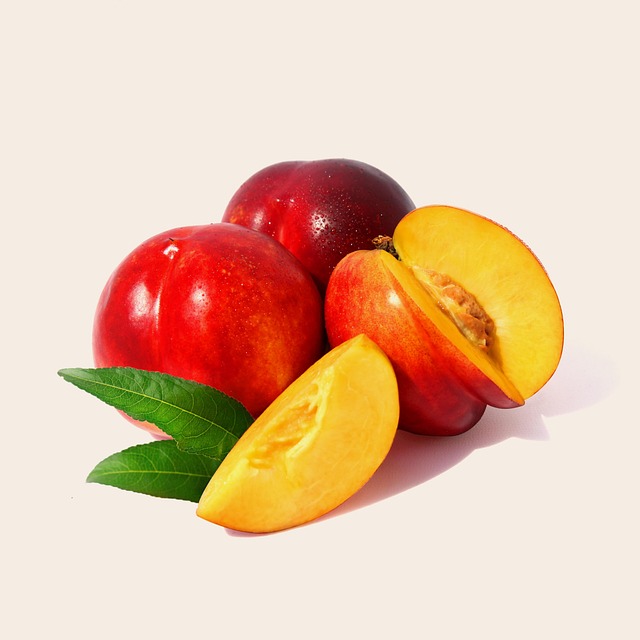 Caution
 Nectarines
Veterinary and pet-nutrition sources describe nectarine flesh as non-toxic to dogs, but warn that the pit presents a choking and obstruction risk and contains cyanogenic compounds.
Read full guide →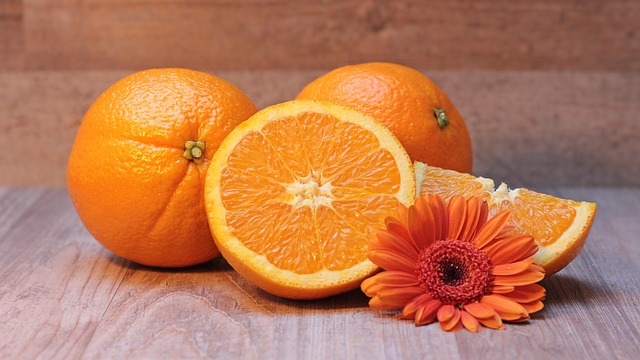 Safe
Safe Oranges
Veterinary organisations generally classify oranges as safe for dogs when eaten plain, while noting that their sugar and citric acid content may cause digestive upset in some dogs.
Read full guide →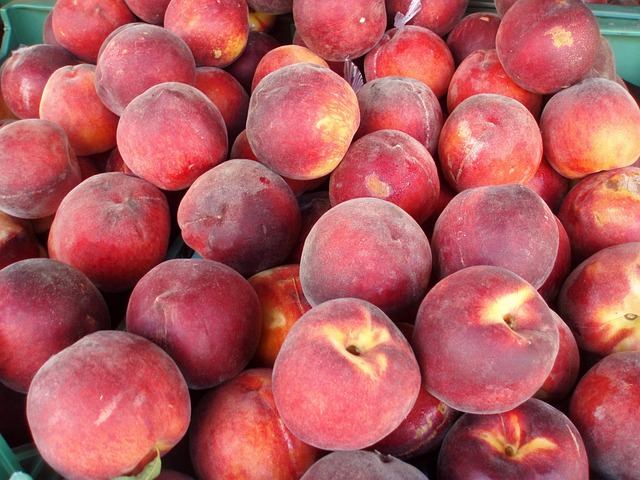 Caution
 Peaches
Veterinary and pet-safety sources describe peaches as not toxic to dogs when only the flesh is involved, but note significant risks related to the pit, which contains cyanogenic compounds and poses a choking or obstruction hazard.
Read full guide →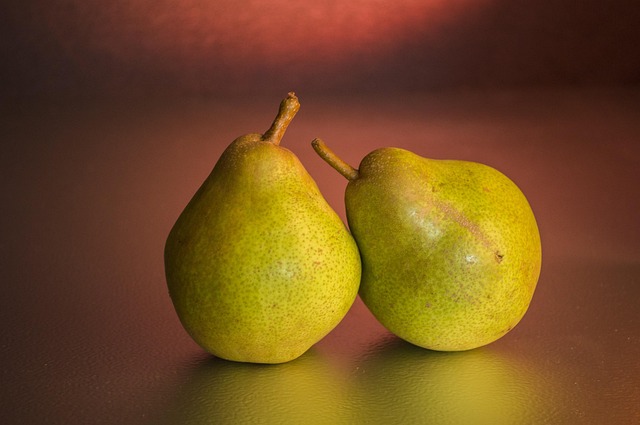 Caution
 Pears
Veterinary and pet-safety sources describe pears as not toxic to dogs when only the flesh is involved, but note risks related to seeds and cores, which contain cyanogenic compounds and pose choking or obstruction hazards.
Read full guide →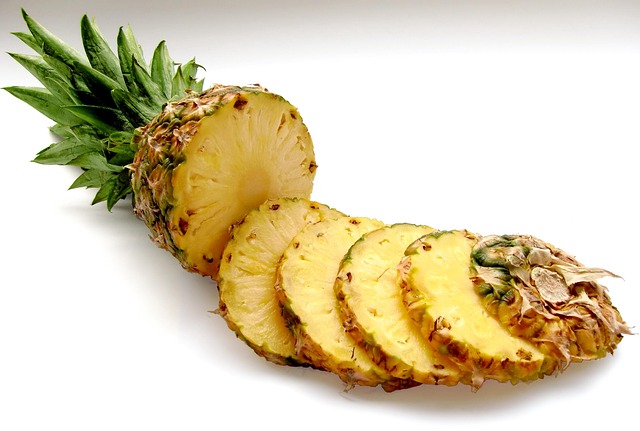 Safe
Safe Pineapple
Veterinary organisations generally classify fresh pineapple as safe for dogs, while noting that high sugar content and canned preparations may cause digestive upset.
Read full guide →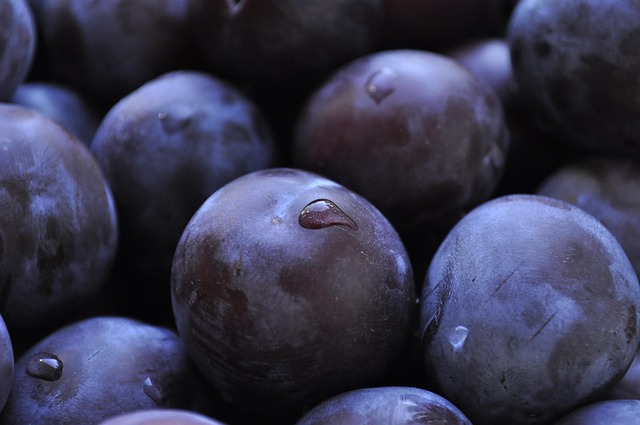 Caution
 Plums
Veterinary and pet-safety sources describe plums as not toxic to dogs when only the flesh is involved, but note significant risks related to the pit, which contains cyanogenic compounds and poses choking or obstruction hazards.
Read full guide →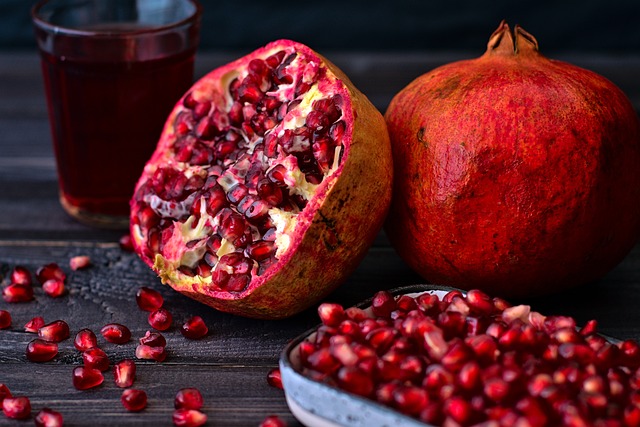 Caution
 Pomegranate
Veterinary and pet-nutrition sources describe pomegranate as not toxic to dogs but note frequent digestive upset, particularly related to the rind, peel, and concentrated compounds.
Read full guide →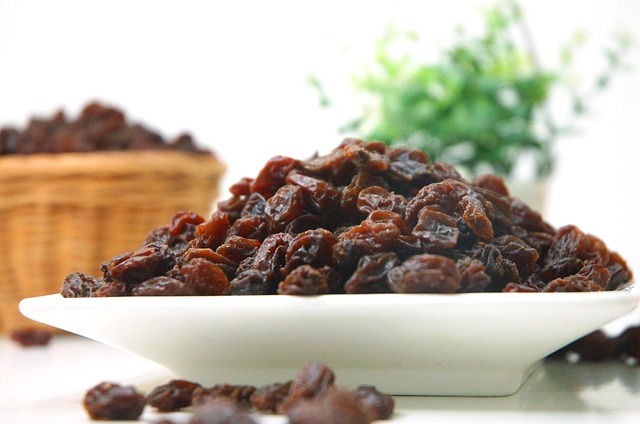 Toxic
Toxic Raisins
Veterinary toxicology sources classify raisins as toxic to dogs due to a well-documented risk of acute kidney failure, even when small amounts are ingested.
Read full guide →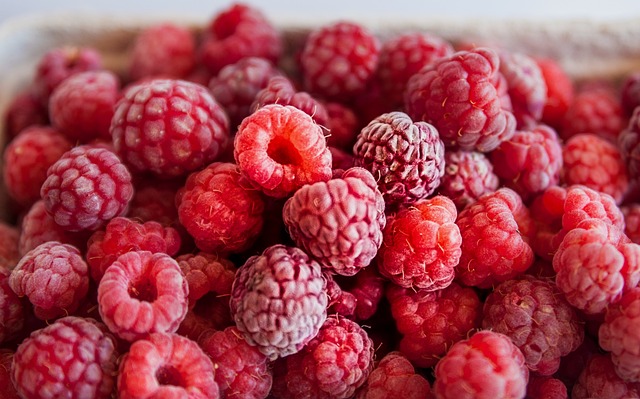 Caution
 Raspberries
Veterinary and pet-nutrition sources describe raspberries as not toxic to dogs but note potential risks related to digestive upset and naturally occurring xylitol when consumed in larger amounts.
Read full guide →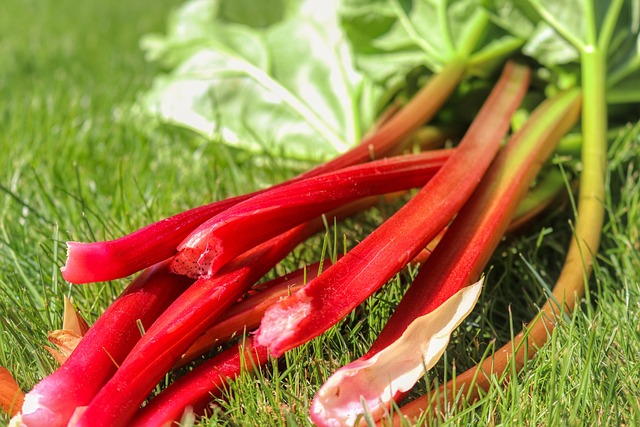 Toxic
Toxic Rhubarb
Veterinary toxicology sources classify rhubarb as toxic to dogs due to oxalates in the leaves and plant parts, which are associated with gastrointestinal and systemic effects.
Read full guide →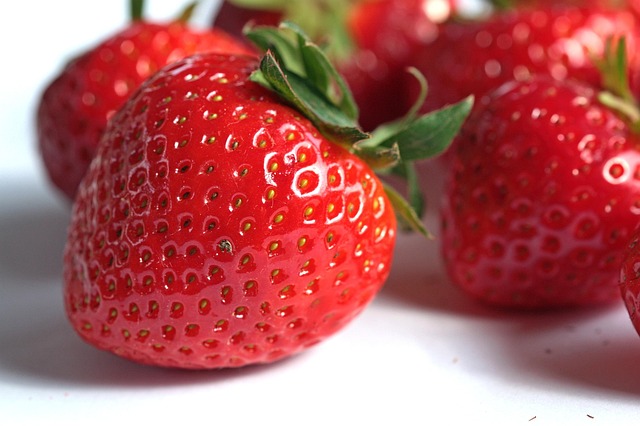 Safe
Safe Strawberries
Veterinary organisations generally classify strawberries as safe for dogs when eaten plain, while noting their natural sugar content and potential digestive effects.
Read full guide →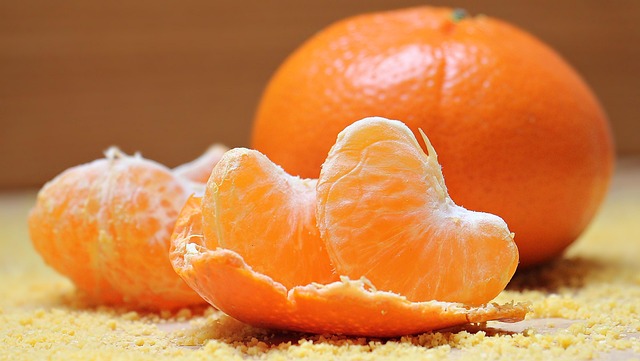 Caution
 Tangerines
Tangerines are not classified as toxic to dogs, but veterinary sources note concerns related to acidity, sugar content, and digestive sensitivity associated with citrus fruits.
Read full guide →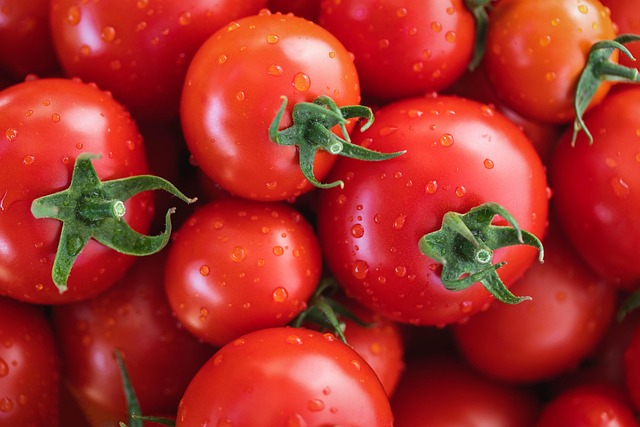 Caution
 Tomatoes
Tomatoes are not considered toxic to dogs when ripe, but veterinary sources note that unripe tomatoes and tomato plant parts contain compounds of concern, and acidity may cause digestive upset.
Read full guide →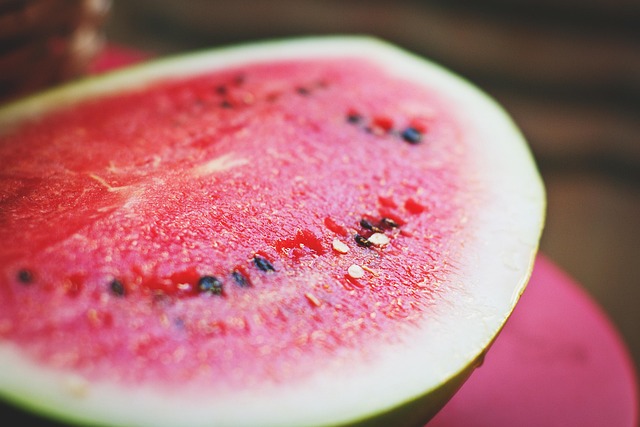 Safe
Safe Watermelon
Watermelon is generally considered safe for dogs when plain, with veterinary sources noting it is non-toxic but that seeds and rind may cause digestive issues.
Read full guide →