Are Cherries Safe for Dogs?
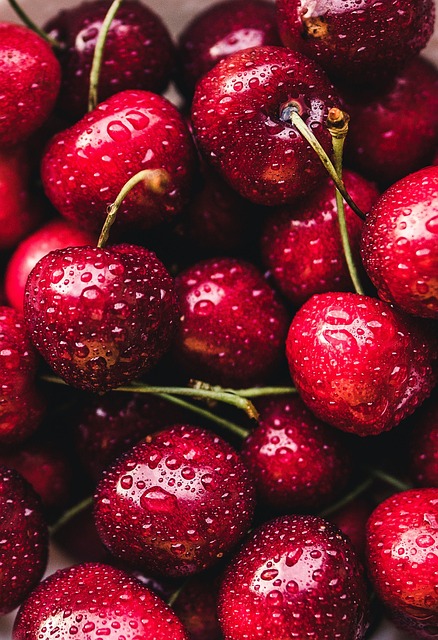
Veterinary pet-safety sources including the American Kennel Club, the ASPCA, and PetMD consistently describe cherries as unsafe for dogs. While the fleshy part of the cherry does not contain cyanide, the pit, stem, and leaves do contain cyanogenic compounds that are associated with toxicity.
Because cherries are rarely consumed without access to the pit and stem, veterinary literature generally treats cherries as a toxic food rather than separating safe and unsafe parts. The physical risk posed by the pit is also highlighted as a serious concern.
Across authoritative sources, the overall classification of cherries remains negative.
Why Cherries Are a Problem for Dogs
Main compounds of concern
- Cyanogenic compounds, found in the pits, stems, and leaves, which veterinary toxicology sources associate with cyanide poisoning.
Physical hazards
- Cherry pits, which veterinary references frequently describe as a choking hazard and a cause of gastrointestinal obstruction.
Preparation differences
Veterinary sources note that even when the flesh is separated, the presence of pits and stems makes cherries unsuitable overall.
Signs Reported When Dogs Are Exposed to Cherries
Veterinary toxicology sources list the following possible signs:
- Vomiting
- Diarrhoea
- Difficulty breathing
- Dilated pupils
More serious signs
- Cyanide poisoning symptoms, including collapse or shock
- Gastrointestinal obstruction linked to pit ingestion
Ingredients or Additives to Watch For
- ❌ Cherry pits, stems, and leaves (contain cyanogenic compounds)
- ❌ Cherry-flavoured products (may contain added sugars or artificial flavourings)
- ⚠️ Preserved cherries (often contain high sugar levels in addition to pit-related risks)
Puppies vs. Adult Dogs
Veterinary sources indicate that puppies may be at higher risk due to smaller airway and digestive tract size, increasing choking and obstruction concerns. Toxicity risks apply to dogs of all ages.
Other Common Variants of Cherries
Fresh Cherries
Veterinary references classify fresh cherries as unsafe due to the pit and stem.
Maraschino Cherries
Veterinary sources note that maraschino cherries are typically pitless but are heavily processed and contain high levels of sugar and additives, making them unsuitable.
Cherry Plants
The ASPCA classifies cherry trees and plants as toxic to dogs due to cyanogenic compounds in leaves and stems.
Dog-Friendly Alternatives Mentioned in Pet-Nutrition Sources
- Blueberries
- Apple slices (seedless)
- Strawberries
Frequently Asked Questions (FAQ)
This FAQ summarises themes appearing in veterinary pet-care articles.
It is informational only and not a substitute for professional veterinary care.
Are cherries toxic to dogs?
Veterinary sources such as the ASPCA, AKC, and PetMD classify cherries as unsafe due to cyanogenic compounds and pit-related hazards.
Is cherry flesh alone dangerous?
While the flesh itself does not contain cyanide, veterinary sources generally classify cherries as unsafe because dogs can easily access the pit and stem.
Are maraschino cherries safer than fresh cherries?
Veterinary references note that maraschino cherries avoid pit risks but introduce concerns related to sugar and additives, and are still considered unsuitable.
Source Reference
This page compiles information from publicly accessible veterinary and pet-safety resources, including:
-
American Kennel Club (AKC) — “Can Dogs Eat Cherries?”
https://www.akc.org/expert-advice/nutrition/can-dogs-eat-cherries/ -
ASPCA — “Cherry (Toxic and Non-Toxic Plants)”
https://www.aspca.org/pet-care/animal-poison-control/toxic-and-non-toxic-plants/cherry -
PetMD — “Can Dogs Eat Cherries?”
https://www.petmd.com/dog/nutrition/can-dogs-eat-cherries
This page is informational only and does not constitute veterinary or medical advice. Readers are encouraged to review the cited sources directly.