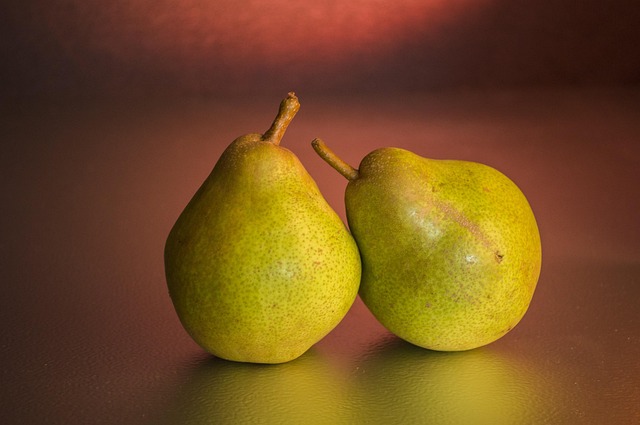
Are Pears Safe for Dogs?
According to veterinary and pet-safety sources including the American Kennel Club, the ASPCA, and PetMD, pears are not inherently toxic to dogs when only the flesh is considered. These sources consistently distinguish between the edible fruit and other parts of the pear.
Veterinary literature identifies the seeds and core as the primary concerns. These parts are discussed as hazardous due to both chemical and physical risks.
Why Pears Can Be a Problem for Some Dogs
Seeds and core
Veterinary toxicology sources note that pear seeds contain cyanogenic compounds, which are listed as toxic to dogs if ingested. The core may also present a physical obstruction risk.
Choking and obstruction risk
Pet-safety articles frequently highlight the size and firmness of pear cores as potential choking or gastrointestinal blockage hazards.
Sugar content
Veterinary nutrition sources mention that pear flesh contains natural sugars, which may contribute to digestive upset in some dogs.
Signs Reported When Dogs React Poorly to Pears
Veterinary sources list the following signs associated with seed ingestion or digestive sensitivity:
- Vomiting
- Diarrhoea
- Abdominal discomfort
More serious signs
- Choking
- Gastrointestinal blockage
- Signs associated with cyanide exposure, as discussed in toxicology references
Ingredients or Additives to Watch For
Veterinary sources distinguish fresh pears from pear-containing products:
- ❌ Pear seeds and cores — contain cyanogenic compounds and pose a physical hazard
- ❌ Canned pears in syrup — often contain added sugars
- ⚠️ Preserved or flavored pear products — may include additives or sweeteners
Puppies vs. Adult Dogs
Veterinary sources note that puppies and smaller dogs may be at higher risk of choking or obstruction due to the size of pear cores. The chemical and physical risks associated with seeds apply to dogs of all ages.
Other Common Variants of Pears
Fresh pears
Veterinary literature discusses fresh pears primarily in relation to removal of seeds and cores.
Canned pears
Pet-nutrition sources highlight canned pears as a concern due to added sugars and syrups.
Pear-flavored foods
Veterinary sources note that pear-flavored products often contain sugar or artificial additives rather than whole fruit.
Dog-Friendly Alternatives Mentioned in Pet-Nutrition Sources
Veterinary and pet-nutrition articles commonly reference the following fruits as examples discussed in canine diets:
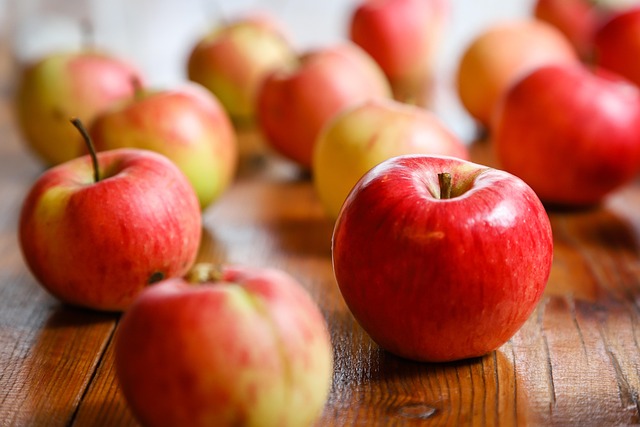
- Apples (without seeds)
- Blueberries
- Strawberries
Frequently Asked Questions (FAQ)
This FAQ summarises themes appearing in veterinary pet-safety articles.
It is informational only and not a substitute for professional veterinary care.
Are pears toxic to dogs?
Veterinary sources do not classify pear flesh as toxic. The seeds and core are identified as the primary hazards.
Why are pear seeds considered dangerous?
Pet-safety sources explain that pear seeds contain cyanogenic compounds and may also cause choking or intestinal blockage.
Are pears similar to apples for dogs?
Veterinary literature groups pears and apples together, noting similar seed-related risks.
Source Reference
This page compiles information from publicly accessible veterinary and pet-safety resources, including:
-
American Kennel Club (AKC) — “Can Dogs Eat Pears?”
https://www.akc.org/expert-advice/nutrition/can-dogs-eat-pears/ -
ASPCA — “Pear (Toxic and Non-Toxic Plants)”
https://www.aspca.org/pet-care/animal-poison-control/toxic-and-non-toxic-plants/pear -
PetMD — “Can Dogs Eat Pears?”
https://www.petmd.com/dog/nutrition/can-dogs-eat-pears
This page is informational only and does not constitute veterinary or medical advice. Readers are encouraged to review these sources directly.