Are Tomatoes Safe for Dogs?
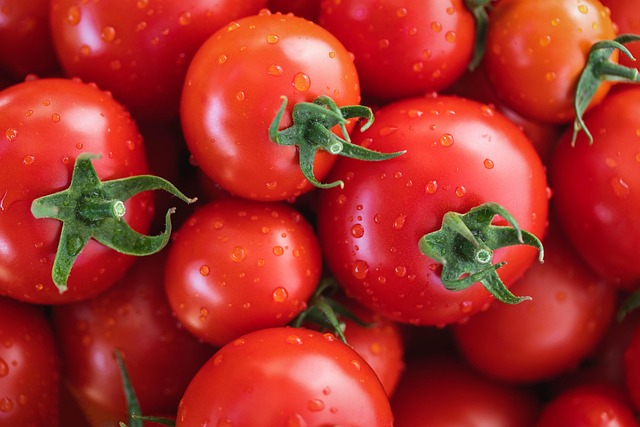
Veterinary and pet-nutrition sources generally agree that ripe tomatoes are not toxic to dogs, but tomatoes are commonly discussed under a caution classification. The AKC and PetMD explain that concerns arise primarily from unripe tomatoes and the tomato plant, which contain solanine-like compounds.
VCA Hospitals similarly highlights the distinction between ripe tomato flesh and plant parts, noting that toxicity concerns are linked to stems, leaves, and unripe fruit.
Why Tomatoes Can Be a Problem for Some Dogs
Main compounds of concern
- Solanine-like compounds, present in unripe tomatoes and plant parts
- Acidity, which may irritate the digestive system
Ripeness differences
Veterinary sources consistently distinguish ripe tomatoes from unripe ones. Ripe tomato flesh is discussed as non-toxic, while green tomatoes and plant material are listed as unsafe.
Preparation differences
Plain, ripe tomatoes are discussed differently from tomatoes prepared with salt, sauces, or seasonings. Processed tomato products are addressed separately due to added ingredients.
Signs Reported When Dogs React Poorly to Tomatoes
Veterinary and pet-care resources associate tomato-related reactions primarily with digestive signs, including:
- Vomiting
- Diarrhoea
- Abdominal discomfort
More serious signs linked to plant exposure
- Lethargy
- Weakness
- Gastrointestinal irritation
Ingredients or Additives to Watch For
- ❌ Tomato stems and leaves, which contain compounds of concern
- ❌ Unripe (green) tomatoes, noted in veterinary toxicology discussions
- ⚠️ Added salt or seasonings, commonly present in prepared tomato dishes
Puppies vs. Adult Dogs
Veterinary sources generally indicate that puppies may have more sensitive digestive systems, but the toxicity concerns related to unripe tomatoes and plant parts apply to dogs of all ages.
Other Common Tomato Variants
Cherry and grape tomatoes
Veterinary articles discuss these similarly to other tomatoes, focusing on ripeness and preparation rather than variety.
Tomato-based products
Sauces, pastes, and canned tomatoes are discussed separately due to processing, concentration, and added ingredients.
Dog-Friendly Alternatives Mentioned in Pet-Nutrition Sources
- Carrots
- Cucumbers
- Green beans
- Commercial dog foods containing vegetables
Frequently Asked Questions (FAQ)
This FAQ summarises themes appearing in veterinary pet-care articles.
It is informational only and not a substitute for professional veterinary care.
Are tomatoes toxic to dogs?
Veterinary sources do not classify ripe tomatoes as toxic, but they consistently highlight risks associated with unripe tomatoes and plant parts.
Why are tomato plants considered dangerous?
According to VCA Hospitals, tomato plants contain solanine-like compounds that can cause adverse effects in dogs.
Are tomatoes different from other vegetables?
Pet-nutrition articles note that tomatoes require greater caution due to differences between ripe fruit and plant material.
Source Reference
This page compiles information from publicly accessible veterinary and pet-safety resources, including:
-
American Kennel Club (AKC) — “Can Dogs Eat Tomatoes?”
https://www.akc.org/expert-advice/nutrition/can-dogs-eat-tomatoes/ -
PetMD — “Can Dogs Eat Tomatoes?”
https://www.petmd.com/dog/nutrition/can-dogs-eat-tomatoes -
VCA Hospitals — “Tomato Toxicity in Dogs”
https://vcahospitals.com/know-your-pet/tomato-toxicity-in-dogs
This page is informational only and does not constitute veterinary or medical advice. Readers are encouraged to review the cited sources directly.