Is Rhubarb Safe for Dogs?
According to veterinary toxicology and pet-safety sources including the ASPCA, the American Kennel Club, and PetMD, rhubarb is toxic to dogs. Rhubarb is consistently listed among plants that pose a poisoning risk to pets.
Veterinary literature places particular emphasis on rhubarb leaves, which contain higher concentrations of harmful compounds, but the plant as a whole is classified as unsafe.
Why Rhubarb Is Dangerous for Dogs
Oxalates
Veterinary toxicology sources identify soluble oxalates in rhubarb as the primary toxic compounds. These substances can interfere with calcium balance and irritate the digestive tract.
Leaf toxicity
Pet-safety organisations consistently state that rhubarb leaves contain especially high oxalate levels and are the most dangerous part of the plant.
Systemic effects
Veterinary literature notes that oxalate exposure can affect multiple body systems, extending beyond simple digestive upset.
Signs Reported When Dogs Are Exposed to Rhubarb
Veterinary sources list the following signs:
- Vomiting
- Diarrhoea
- Drooling
- Lethargy
More serious signs
- Tremors
- Weakness
- Irregular heart rhythm
- Signs related to kidney involvement, as described in toxicology references
Parts of Rhubarb of Particular Concern
Veterinary and pet-safety sources highlight the following:
- ❌ Rhubarb leaves — very high oxalate content
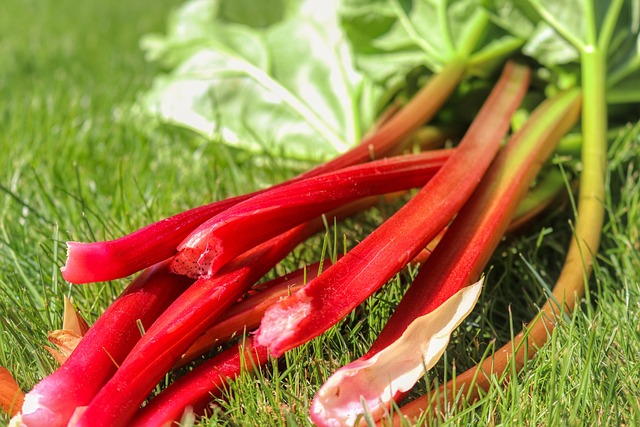
- ❌ Rhubarb plant (stalks, leaves, roots) — classified as toxic
- ❌ Garden-grown rhubarb — same toxicity profile as culinary rhubarb
Puppies vs. Adult Dogs
Veterinary toxicology sources indicate that both puppies and adult dogs are at risk from rhubarb exposure. Smaller dogs and puppies may experience more severe effects from lower amounts due to body size.
Other Common Rhubarb-Containing Items
Rhubarb desserts
Veterinary sources note that baked goods containing rhubarb remain unsafe due to the presence of rhubarb itself.
Garden plants
Pet-safety organisations frequently highlight ornamental or garden rhubarb as a common source of exposure.
Rhubarb preserves
Veterinary literature treats preserves similarly, as processing does not remove oxalates.
Dog-Friendly Alternatives Mentioned in Pet-Safety Sources
Veterinary and pet-nutrition articles commonly reference the following fruits and vegetables as examples discussed in canine diets:
- Apples (without seeds)
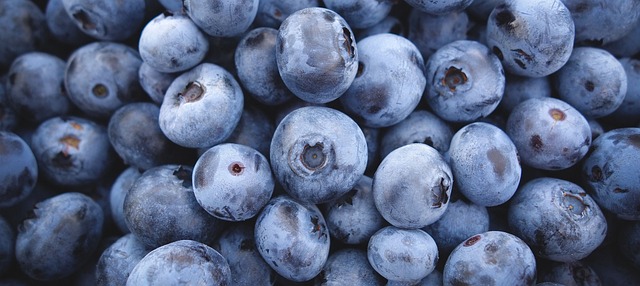
- Blueberries
- Carrots
Frequently Asked Questions (FAQ)
This FAQ summarises themes appearing in veterinary toxicology and pet-safety literature.
It is informational only and not a substitute for professional veterinary care.
Is rhubarb toxic to dogs?
Yes. Veterinary sources consistently classify rhubarb as toxic, particularly due to oxalates in the leaves.
Are rhubarb stalks safer than leaves?
Pet-safety sources note that leaves are more toxic, but the entire plant is classified as unsafe for dogs.
Is cooked rhubarb safe?
Veterinary literature states that cooking does not eliminate oxalates, so rhubarb remains unsafe.
Source Reference
This page compiles information from publicly accessible veterinary and pet-safety resources, including:
-
ASPCA Animal Poison Control — “Rhubarb”
https://www.aspca.org/pet-care/animal-poison-control/toxic-and-non-toxic-plants/rhubarb -
American Kennel Club (AKC) — “Can Dogs Eat Rhubarb?”
https://www.akc.org/expert-advice/nutrition/can-dogs-eat-rhubarb/ -
PetMD — “Can Dogs Eat Rhubarb?”
https://www.petmd.com/dog/nutrition/can-dogs-eat-rhubarb
This page is informational only and does not constitute veterinary or medical advice. Readers are encouraged to review these sources directly.