Are Frozen Berries Safe for Dogs?
Veterinary and pet-nutrition organisations commonly explain that many individual berries are safe for dogs, including blueberries and strawberries. Freezing does not change the basic toxicity profile of these fruits.
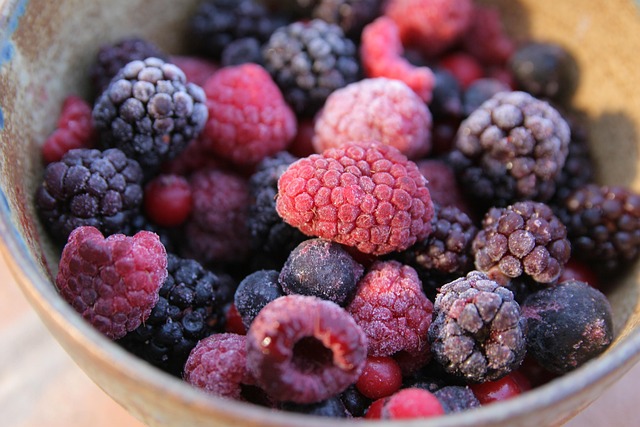
However, frozen berry products are often sold as mixes, which may include berries that are unsafe for dogs. The ASPCA lists certain fruits, such as grapes, as toxic, and these may occasionally appear in mixed berry products under names such as currants or grape-derived ingredients.
As a result, frozen berries are generally discussed as a food requiring caution, with emphasis placed on berry type rather than temperature or storage method.
Why Frozen Berries Can Be a Problem for Some Dogs
Mixed berry products
Pet-nutrition sources note that frozen berry blends can make it difficult to clearly identify every fruit included, increasing the risk of exposure to unsafe varieties.
Natural sugars and fibre
The AKC and PetMD mention that berries contain natural sugars and fibre, which may contribute to digestive upset in some dogs when consumed in larger amounts.
Processing and additives
Some frozen berries are packaged with added sugar or syrups. Veterinary guidance consistently flags added sweeteners as an unnecessary concern.
Signs Reported When Dogs React Poorly to Berries
Veterinary sources describe the following signs when dogs experience sensitivity to fruit:
- Vomiting
- Diarrhoea
- Gas or bloating
These signs are generally linked to digestion rather than toxicity, unless a toxic fruit is involved.
Ingredients or Additives to Watch For
Frozen berry products may include ingredients that veterinary organisations flag as concerns:
- ❌ Grapes or currants, listed as toxic to dogs by the ASPCA
- ⚠️ Added sugars or syrups, which may contribute to digestive upset
- ⚠️ Artificial sweeteners, sometimes used in processed fruit products
Concerns focus on product composition rather than berries as a broad category.
Puppies vs. Adult Dogs
Veterinary literature notes that puppies may have more sensitive digestive systems. Digestive upset related to fruit sugars or fibre may appear more readily in younger dogs, though similar reactions can occur in adults.
Common Berries Discussed in Veterinary Sources
Generally discussed as safe
- Blueberries
- Strawberries
- Raspberries
Classified as toxic
- Grapes
- Raisins
- Currants (in some classifications)
Veterinary sources stress the importance of distinguishing between these categories.
Fruit Types Commonly Found in Frozen Berry Mixes
Pet-nutrition articles frequently mention the following fruits when discussing mixed products:
- Blueberries
- Strawberries
- Blackberries
- Raspberries
The inclusion of grapes or grape-derived fruits changes the safety classification.
Frequently Asked Questions (FAQ)
This FAQ summarises themes appearing in veterinary and pet-nutrition articles.
It is informational only and not a substitute for professional veterinary care.
Does freezing make berries safer or more dangerous?
Veterinary sources state that freezing does not alter whether a berry is safe or toxic. The type of berry is what matters.
Are all berries safe for dogs?
Veterinary organisations clearly state that some berries, such as grapes, are toxic, while others are commonly described as safe.
Why are mixed frozen berries treated with caution?
Pet-nutrition sources explain that mixed products can include unsafe fruits or added ingredients, making classification less certain.
Source Reference
This page compiles information from publicly accessible veterinary and pet-safety resources, including:
-
American Kennel Club (AKC) — “Can Dogs Eat Berries?”
https://www.akc.org/expert-advice/nutrition/can-dogs-eat-berries/ -
PetMD — “Can Dogs Eat Berries?”
https://www.petmd.com/dog/nutrition/can-dogs-eat-berries -
ASPCA Animal Poison Control — “People Foods to Avoid Feeding Your Pets”
https://www.aspca.org/pet-care/animal-poison-control/people-foods
This page is informational only and does not constitute veterinary or medical advice. Readers are encouraged to review the cited sources directly.