Are Melons Safe for Dogs?
According to the AKC, many melons are safe for dogs, including watermelon, cantaloupe, and honeydew, when the flesh is served plain and without seeds or rind. These fruits are not classified as toxic by veterinary organisations.
Source: https://www.akc.org/expert-advice/nutrition/can-dogs-eat-watermelon/
The ASPCA does not list melons among foods that are toxic to dogs, but it notes that fruits with natural sugars may cause digestive upset in some pets.
Source: https://www.aspca.org/pet-care/general-pet-care/people-foods-pets-should-never-eat
VCA Hospitals explains that sudden dietary changes or foods high in sugar can lead to diarrhoea or other gastrointestinal signs in sensitive dogs.
Source: https://vcahospitals.com/know-your-pet/dietary-diarrhea-in-dogs
Why Melons Can Be a Problem for Some Dogs
Main considerations
- Natural sugar content: May cause loose stools or digestive upset in some dogs.
- Seeds: Can be difficult to digest and may cause gastrointestinal discomfort.
- Rinds: Tough texture may pose a choking risk or cause intestinal blockage.
Portion size and dog size
Smaller dogs may be more affected by sugar intake because a small amount represents a larger proportion of their diet.
Preparation differences
Veterinary sources distinguish between:
- Plain melon flesh (generally safe)
- Melon with seeds or rind (not recommended)
- Processed melon products (often contain added sugar or sweeteners)
Signs Reported When Dogs React Poorly to Melons
- Diarrhoea
- Vomiting
- Gas
These signs are typically related to digestive sensitivity rather than toxicity.
Ingredients or Additives to Watch For
- ❌ Seeds and rinds (hard to digest; choking or blockage risk)
- ❌ Added sugars or syrups (found in processed fruit cups)
- ⚠️ Sugar-free products (may contain xylitol, which is toxic to dogs)
Puppies vs. Adult Dogs
Veterinary sources do not classify melons differently for puppies and adult dogs. However, puppies may be more sensitive to sugary fruits due to their developing digestive systems.
Other Common Variants of Melons
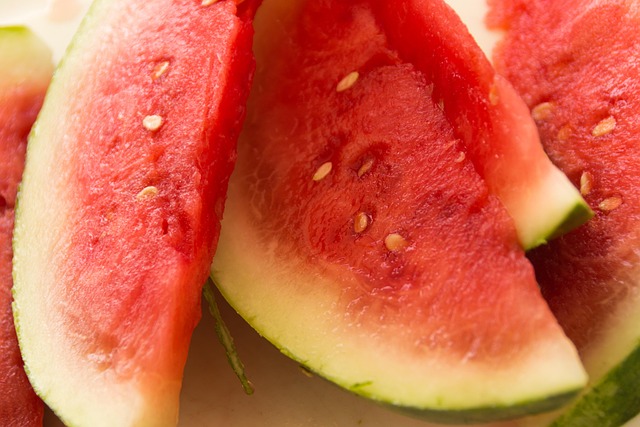
Watermelon
Generally safe when seeds and rind are removed; high water content is commonly noted in veterinary nutrition discussions.
Cantaloupe
Not toxic, but relatively high in natural sugar and fibre, which may affect sensitive dogs.
Honeydew
Similar in composition to other melons; considered safe when plain and seedless.
Dog-Friendly Alternatives Mentioned in Pet-Nutrition Sources
- Blueberries
- Apple slices (seedless)
- Banana pieces
- Commercial dog treats
Frequently Asked Questions (FAQ)
This FAQ summarises themes appearing in veterinary pet-care articles.
It is informational only and not a substitute for professional veterinary care.
Are melons toxic to dogs?
No. Veterinary organisations classify common melons as non-toxic.
Can melon seeds cause problems?
Yes. Seeds may cause digestive discomfort or blockage, according to veterinary guidance.
Is watermelon safer than other melons?
All common melons are similar in safety; tolerance depends more on preparation and individual sensitivity.
Source Reference
This page compiles information from publicly accessible veterinary and pet-safety resources, including:
-
AKC — “Can Dogs Eat Watermelon?”
https://www.akc.org/expert-advice/nutrition/can-dogs-eat-watermelon/ -
ASPCA — “People Foods Pets Should Never Eat”
https://www.aspca.org/pet-care/general-pet-care/people-foods-pets-should-never-eat -
VCA Hospitals — “Dietary Diarrhea in Dogs”
https://vcahospitals.com/know-your-pet/dietary-diarrhea-in-dogs
This page is informational only and does not constitute veterinary or medical advice. Readers are encouraged to review these sources directly.