Are Apples Safe for Dogs?
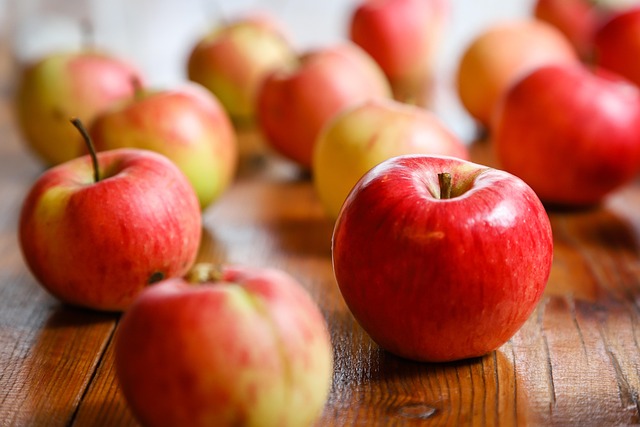
According to the AKC, plain apple flesh is generally considered safe for dogs, and apples appear frequently on lists of dog-friendly fruits when prepared without seeds or cores.
Source: https://www.akc.org/expert-advice/nutrition/can-dogs-eat-apples/
However, the ASPCA notes that apple seeds contain amygdalin, a cyanogenic compound that can release cyanide when metabolised. While small exposures are unlikely to cause serious toxicity, apple seeds and cores are listed as parts to avoid.
Source: https://www.aspca.org/pet-care/general-pet-care/people-foods-pets-should-never-eat
VCA Hospitals further explains that cyanogenic plants—including apple seeds—contain compounds that may pose risks if ingested in meaningful amounts. Veterinary sources also note that cores may present a physical obstruction hazard.
Source: https://vcahospitals.com/know-your-pet/plant-poisoning-cyanide
Why Apples Can Be a Problem for Some Dogs
Main compounds of concern
- Amygdalin, found in apple seeds, which can release cyanide during digestion.
- High sugar content, noted by veterinary sources as a potential contributor to digestive upset when consumed in excess.
Portion size and dog size
Seeds and cores present a greater risk for small dogs, both due to choking potential and concentrated exposure relative to body size.
Preparation differences
Veterinary sources consistently distinguish between apple flesh (generally regarded as safe) and seeds/cores (classified as unsuitable).
Signs Reported When Dogs React Poorly to Apples
- Vomiting
- Diarrhoea
- Gas or bloating
More serious signs
- Signs associated with ingestion of cyanogenic plant material (rare and typically linked to significant seed ingestion), such as respiratory difficulty or dilated pupils, as outlined in VCA toxicology summaries.
Ingredients or Additives to Watch For
- ❌ Artificial sweeteners (especially xylitol, which is highly toxic to dogs)
- ❌ Sugar coatings or syrups (noted in veterinary sources as contributors to digestive upset)
- ⚠️ Spices such as cinnamon or nutmeg (nutmeg contains myristicin, listed by toxicology sources as problematic in large quantities)
Puppies vs. Adult Dogs
Puppies may be more susceptible to choking hazards due to smaller airways and less developed chewing ability. Veterinary classifications apply equally to both age groups, but size-related risks are emphasised.
Other Common Variants of Apple
Dried Apples
Dried fruit is noted in veterinary discussions for its high sugar concentration, which may increase the likelihood of gastrointestinal upset.
Applesauce
Plain, unsweetened applesauce is generally considered similar to apple flesh, but many commercial products contain added sugars or sweeteners, which veterinary sources list as unsuitable.
Dog-Friendly Alternatives Mentioned in Pet-Nutrition Sources
- Carrot sticks
- Banana slices
- Blueberries
- Commercial dog treats
Frequently Asked Questions (FAQ)
This FAQ summarises themes appearing in veterinary pet-care articles.
It is informational only and not a substitute for professional veterinary care.
Why are apple seeds considered unsuitable for dogs?
Apple seeds contain amygdalin, which can release cyanide. Veterinary sources list them as plant material to avoid.
Is apple skin safe for dogs?
Most veterinary sources do not classify apple skin as harmful, though dogs with sensitive digestion may experience mild upset.
Can dogs eat cooked apples?
Cooked apple flesh is generally described similarly to raw flesh, provided it does not contain added sugar, spices, or sweeteners.
Source Reference
This page compiles information from publicly accessible veterinary and pet-safety resources, including:
-
AKC — “Can Dogs Eat Apples?”
https://www.akc.org/expert-advice/nutrition/can-dogs-eat-apples/ -
ASPCA — “People Foods Pets Should Never Eat”
https://www.aspca.org/pet-care/general-pet-care/people-foods-pets-should-never-eat -
VCA Hospitals — “Cyanide Poisoning in Pets”
https://vcahospitals.com/know-your-pet/plant-poisoning-cyanide
This page is informational only and does not constitute veterinary or medical advice. Readers are encouraged to review these sources directly.