Are Apricots Safe for Dogs?
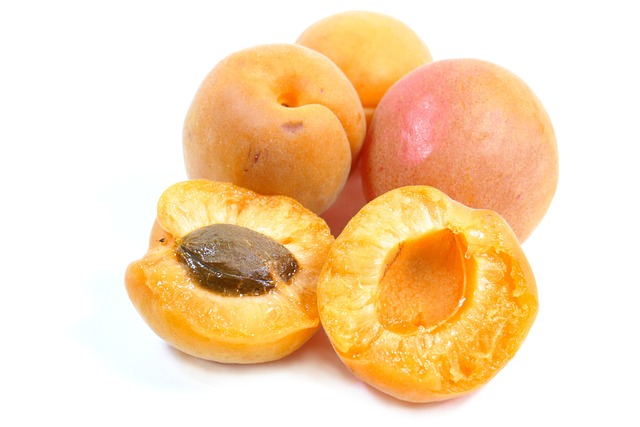
According to the AKC, the flesh of apricots is not toxic to dogs, but the pit presents a serious risk. The AKC highlights that the pit can cause choking or intestinal blockage and should always be considered unsafe.
Source: https://www.akc.org/expert-advice/nutrition/can-dogs-eat-apricots/
The ASPCA lists apricot plants as toxic due to cyanogenic compounds found in the pit, leaves, and stems. These compounds can release cyanide when chewed or digested.
Source: https://www.aspca.org/pet-care/animal-poison-control/toxic-and-non-toxic-plants/apricot
Pet Poison Helpline similarly warns that apricot pits are dangerous, citing both cyanide exposure and physical obstruction as major concerns.
Source: https://www.petpoisonhelpline.com/poison/apricot-pits/
Why Apricots Can Be a Problem for Some Dogs
Main compounds of concern
- Amygdalin: A cyanogenic compound found in apricot pits that can release cyanide when metabolised.
- Physical obstruction risk: The pit is hard and large enough to cause choking or intestinal blockage.
Portion size and dog size
Smaller dogs are at greater risk from pits because of choking hazards and higher relative toxin exposure.
Preparation differences
Veterinary organisations distinguish clearly between:
- Apricot flesh (generally safe)
- Apricot pits, stems, and leaves (toxic and unsafe)
Signs Reported When Dogs React Poorly to Apricots
Veterinary toxicology sources list the following signs when pits are involved:
- Vomiting
- Diarrhoea
- Drooling
More serious signs
- Difficulty breathing
- Lethargy
- Collapse
- Signs consistent with cyanide exposure
Ingredients or Additives to Watch For
- ❌ Apricot pits (cyanide risk and obstruction hazard)
- ❌ Dried apricots with pits (if present)
- ⚠️ Apricot kernels (sometimes sold separately and considered dangerous)
Puppies vs. Adult Dogs
Apricot pits are dangerous for dogs of all ages. Puppies may be at higher risk due to their smaller size and tendency to chew indiscriminately.
Other Common Variants of Apricots
Dried Apricots
Typically pit-free but may contain added sugar or preservatives; veterinary sources advise caution due to sugar concentration.
Apricot Kernels
Often marketed separately; veterinary toxicology sources classify these as unsafe due to high cyanide potential.
Dog-Friendly Alternatives Mentioned in Pet-Nutrition Sources
- Apple slices (seedless)
- Blueberries
- Banana pieces
- Commercial dog treats
Frequently Asked Questions (FAQ)
This FAQ summarises themes appearing in veterinary pet-care articles.
It is informational only and not a substitute for professional veterinary care.
Are apricots toxic to dogs?
The flesh is not toxic, but the pit, stem, and leaves are considered dangerous.
Why are apricot pits unsafe?
They contain amygdalin, which can release cyanide, and they also pose a choking or blockage risk.
Can dogs eat dried apricots?
Dried apricots without pits are not toxic, but their higher sugar content may cause digestive upset.
Source Reference
This page compiles information from publicly accessible veterinary and pet-safety resources, including:
-
AKC — “Can Dogs Eat Apricots?”
https://www.akc.org/expert-advice/nutrition/can-dogs-eat-apricots/ -
ASPCA — “Apricot (Toxic and Non-Toxic Plants)”
https://www.aspca.org/pet-care/animal-poison-control/toxic-and-non-toxic-plants/apricot -
Pet Poison Helpline — “Apricot Pits”
https://www.petpoisonhelpline.com/poison/apricot-pits/
This page is informational only and does not constitute veterinary or medical advice. Readers are encouraged to review these sources directly.