Is Pomegranate Safe for Dogs?
According to veterinary and pet-nutrition sources including the American Kennel Club and PetMD, pomegranate is not considered toxic to dogs. These sources do not list pomegranate among foods that cause poisoning in dogs.
However, veterinary literature generally classifies pomegranate as a food of concern. This classification is based on the frequency of gastrointestinal reactions reported after ingestion rather than on inherent toxicity.
Why Pomegranate Can Be a Problem for Some Dogs
Digestive irritation
Veterinary nutrition articles frequently note that dogs may experience stomach upset after consuming pomegranate, even in small amounts.
Peel and rind compounds
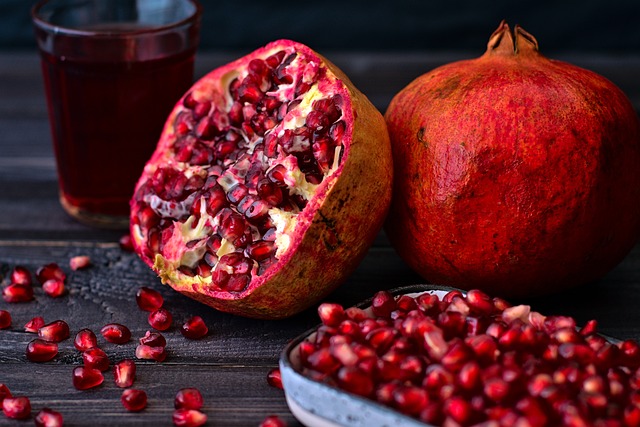
Pet-safety sources highlight that the peel and rind contain compounds that are more likely to irritate the digestive tract than the inner arils.
Natural tannins
Veterinary literature mentions tannins in pomegranate as a possible contributor to vomiting or diarrhoea in dogs.
Signs Reported When Dogs React Poorly to Pomegranate
Veterinary and pet-nutrition sources describe the following possible signs:
- Vomiting
- Diarrhoea
- Abdominal discomfort
These signs are commonly discussed in relation to digestive sensitivity rather than toxicity.
Ingredients or Additives to Watch For
Veterinary sources distinguish fresh pomegranate from pomegranate-based products:
- ❌ Peel or rind — more likely to cause digestive irritation
- ❌ Pomegranate juice — concentrated sugars and acids
- ⚠️ Processed pomegranate products — may include added sugars or preservatives
Puppies vs. Adult Dogs
Veterinary nutrition sources note that puppies may be more sensitive to digestive irritation due to developing gastrointestinal systems. The digestive concerns associated with pomegranate apply to dogs of all ages.
Other Common Variants of Pomegranate
Fresh pomegranate
Veterinary literature discusses fresh pomegranate primarily in relation to digestive upset rather than toxicity.
Pomegranate juice
Pet-nutrition sources frequently highlight juice as more problematic due to concentration of sugars and acids.
Pomegranate supplements
Veterinary sources caution that supplements or extracts are more concentrated and are discussed separately from whole fruit.
Dog-Friendly Alternatives Mentioned in Pet-Nutrition Sources
Veterinary and pet-nutrition articles commonly reference the following fruits as examples discussed in canine diets:
- Apples (without seeds)
- Blueberries
- Strawberries
Frequently Asked Questions (FAQ)
This FAQ summarises themes appearing in veterinary pet-nutrition articles.
It is informational only and not a substitute for professional veterinary care.
Is pomegranate toxic to dogs?
Veterinary sources do not classify pomegranate as toxic. Concerns focus on digestive upset rather than poisoning.
Why does pomegranate cause stomach upset?
Pet-nutrition literature associates pomegranate with tannins and fibrous components that can irritate a dog’s digestive system.
Is pomegranate juice the same as the fruit?
Veterinary sources distinguish juice from whole fruit, noting that juice is more concentrated and more likely to cause digestive issues.
Source Reference
This page compiles information from publicly accessible veterinary and pet-nutrition resources, including:
-
American Kennel Club (AKC) — “Can Dogs Eat Pomegranate?”
https://www.akc.org/expert-advice/nutrition/can-dogs-eat-pomegranate/ -
PetMD — “Can Dogs Eat Pomegranate?”
https://www.petmd.com/dog/nutrition/can-dogs-eat-pomegranate
This page is informational only and does not constitute veterinary or medical advice. Readers are encouraged to review these sources directly.