Is Avocado Safe for Dogs?
The popular answer — “no, avocado is toxic to dogs” — overstates the veterinary evidence for dogs specifically. This page makes the correction directly, because the sources are clear and the misconception is consequential.
The anchor statement comes from the Pet Poison Helpline, one of the primary poison-control resources for pet owners in the United States:
“Avocado is non-toxic to dogs and cats.”
The PPH page identifies persin as toxic to “birds, rabbits, horses, and ruminants” — dogs are absent from that list — and names the avocado seed as the only documented danger for dogs: “Ingestion of the avocado seed can result in an intestinal obstruction.”
The previous version of this page cited the Pet Poison Helpline as a source for classifying avocado as unsafe for dogs. That was a factual error: PPH holds the opposite position. This page corrects the record.
The other sources align:
- ASPCA Animal Poison Control (plant database): lists Persin as the toxic principle; species listed as affected: horses. Dogs are not named.
- ASPCA people-foods guidance: “Avocado is primarily a problem for birds, rabbits, donkeys, horses and ruminants including sheep and goats.” Dogs are not listed.
- Merck Veterinary Manual: “Although a single case report exists of 2 dogs developing myocardial damage after avocado ingestion, dogs seem relatively resistant compared with other species.”
- American Kennel Club: “Dogs are more tolerant and would typically need to eat large quantities of persin-containing parts to experience poisoning.”
Five sources. Consistent position. Dogs are not meaningfully susceptible to persin toxicity in the way birds, horses, and ruminants are.
What this does not mean: avocado is not free from concern for dogs. The fat load from the flesh is a real secondary concern, and the pit is a genuine emergency hazard. The four sections below cover each part of the plant honestly.
Why the “Toxic” Framing Exists — and Where It Comes From
The persin toxicity data is real. The overgeneralisation to dogs is the problem.
Avocado is genuinely, seriously toxic to certain species. Birds are extraordinarily sensitive: the Merck Veterinary Manual documents that budgerigars developed agitation after ingesting just 1 gram of avocado fruit — an amount that fits on a fingertip. The clinical picture in birds includes lethargy, breathing difficulty, and fluid accumulation around the heart and lungs. For goats, 20 g of avocado leaves per kg of body weight causes severe mastitis; 30 g/kg causes cardiac injury. Horses, rabbits, guinea pigs, cattle, sheep, and fish are also on Merck’s documented affected-species list. The toxicology behind avocado is not fabricated — it is well-established for these species.
The problem is that this data has been generalised to dogs without the evidence base to support it. Dogs and cats are simply not on that species list. The mechanism by which persin damages birds’ and horses’ cardiovascular tissue does not appear to operate the same way in dogs. Merck’s characterisation of dogs as “relatively resistant” and PPH’s “non-toxic to dogs and cats” reflect that gap accurately.
This is not unusual in veterinary toxicology — species sensitivity varies widely. The “avocado is toxic” summary is accurate for the species it applies to; it has been incorrectly extended to dogs by association rather than by evidence.
The Four-Part Avocado Picture for Dogs
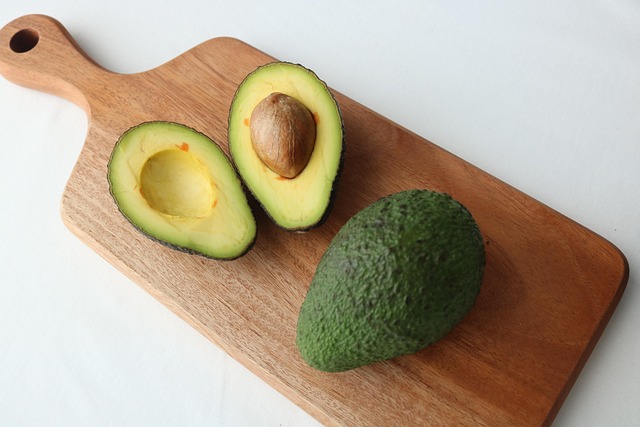
Flesh
The flesh of a ripe avocado is the part most dog owners are asking about — the piece that fell on the floor, the smear off a plate, the bite shared at the table.
Per the sources above, avocado flesh is not an acute persin concern for dogs. The clinical signs most consistently associated with dogs eating avocado — vomiting, diarrhoea, abdominal discomfort — likely reflect the fat load, not persin exposure.
Avocado flesh is calorie-dense and high in fat. A significant quantity in a single sitting is a meaningful fat intake, and in susceptible dogs — particularly those with a history of pancreatitis, or breeds prone to it — a sudden high-fat meal can trigger acute pancreatitis, which ranges from GI distress to a serious condition requiring veterinary care.
A small piece of avocado flesh is not an acute emergency for a healthy dog. A dog that ate most of an avocado warrants monitoring for GI symptoms and, for at-risk dogs, a vet call on the fat load.
A practical scale anchor: A registered dietitian and certified pet nutritionist writing for the AKC suggested limiting avocado flesh to no more than 1 teaspoon per 10 lb of body weight. This is not an authoritative veterinary standard — it is one nutritionist’s practical guideline, not a dose threshold from a clinical study — but it gives a useful sense of scale: small amounts are manageable; large amounts are not, primarily because of the fat.
Pit
The avocado pit is a hazard entirely independent of persin. It is not a toxicology question; it is a mechanical obstruction hazard.
The AKC’s veterinary contributor describes the pit as “a serious choking hazard and can cause intestinal obstruction, especially in smaller dogs. This can become a medical emergency requiring surgery.” Merck documents that “dogs ingesting the intact pit of the avocado fruit can develop foreign body obstruction of the GI tract.” The Pet Poison Helpline names the seed as the only documented danger for dogs.
A dog that has swallowed or partially swallowed an avocado pit needs veterinary attention promptly — not because of persin, but because an object of that size lodged in a dog’s GI tract is a potential surgical emergency. Do not wait for symptoms.
Skin and Peel
The avocado skin contains higher concentrations of persin than the flesh. The AKC notes that the pit, skin, and leaves contain “the highest concentration of persin.” In practice, most dogs encounter avocado flesh, not avocado skin — but a dog that finds a whole avocado and chews through it will be eating skin.
Given the evidence that dogs are relatively resistant to persin, skin consumption is unlikely to cause acute persin toxicosis. The skin adds the fat concern from the flesh plus possible GI irritation. For a dog that ate avocado skin: monitor for GI symptoms over 12–24 hours; no emergency response is warranted unless the quantity was very large or the dog is very small.
Leaves, Bark, and Plant Material
This is where the persin concern is highest — and where it is most relevant to species other than dogs.
Avocado leaves are “the most toxic part” (Merck). The goat leaf data, the bird data, the livestock picture — this is primarily a leaves-and-plant-material story. For a household dog, exposure to avocado leaves typically only occurs near an avocado tree. In that scenario, the persin load is higher than from flesh, and even for resistant dogs, cumulative exposure warrants care. If a dog is repeatedly chewing avocado leaves or bark, discuss it with your vet.
For the typical dog owner who bought an avocado at the grocery store: leaves and plant material are not the relevant question.
Avocado Oil
Avocado oil does not contain meaningful persin — the AKC confirms this directly. The concern is purely fat: avocado oil is extremely calorie-dense, and even small amounts can contribute to weight gain or trigger pancreatitis in dogs prone to digestive issues. Avocado oil is not a persin story; it is the same high-fat concern that applies to any concentrated oil given to dogs in quantity.
Guacamole and Processed Avocado Products
Guacamole is the most common processed-avocado food a dog is likely to encounter. The primary concern with guacamole is not the avocado — it is the onion (a standard guacamole ingredient) and sometimes garlic, both genuine allium toxins for dogs. The avocado in guacamole contributes fat load and, if a pit was present, an obstruction risk. The guacamole page covers the full two-hazard breakdown including dose calibration for the onion load. For the same allium-in-a-dip concern in a different product, see hummus.
Other processed avocado products — avocado toast, avocado-based dressings, avocado sushi — are primarily a fat concern. The added-ingredient check (garlic, onion, soy sauce, salt) is the relevant toxicological question; the avocado component itself follows the flesh picture above.
Symptoms to Watch For
From a large amount of avocado flesh (fat load):
- Vomiting, diarrhoea, abdominal discomfort — typically within hours
- Loss of appetite, lethargy, hunched posture
- Persistent or severe vomiting: contact your vet — pancreatitis concern
From an avocado pit (obstruction):
- Retching, drooling, pawing at mouth
- Repeated vomiting, loss of appetite, lethargy
- If a pit was swallowed: contact your vet immediately — do not wait for symptoms
From avocado skin or leaves (higher persin; dogs relatively resistant):
- GI upset is the most likely presentation
- Severe signs — weakness, laboured breathing, pale gums — would be unexpected in dogs but warrant immediate contact with your vet if they occur
What To Do If Your Dog Ate Avocado
Dog ate a small piece of flesh: Low concern. Monitor for GI upset. No vet call needed for a healthy adult dog unless symptoms develop or the dog has a history of pancreatitis.
Dog ate a large quantity of flesh: Monitor for GI symptoms and pancreatitis signs (vomiting, abdominal pain, lethargy). For a dog with prior pancreatitis or a fat-sensitive breed: call your vet.
Dog swallowed an avocado pit: Contact your vet promptly. Potential obstruction emergency.
Dog chewed through skin or ate avocado peel: Monitor for GI symptoms over 12–24 hours. No acute emergency response warranted in a healthy dog.
Dog ate avocado leaves or chewed on an avocado plant: More persin exposure than flesh, but dogs are relatively resistant. Monitor for GI symptoms. If the quantity was large or the dog is small: a vet call is worthwhile.
Dog ate guacamole: The onion concern may be the more significant hazard. See the guacamole page for calibrated guidance.
Frequently Asked Questions
This FAQ summarises general veterinary guidance. It’s informational only and not a substitute for advice from your own vet, who knows your dog.
Why does the internet say avocado is toxic to dogs?
Because avocado is genuinely toxic — to birds, horses, and ruminants. The toxicology data is real and well-documented: budgerigars can be harmed by a gram of avocado fruit; horses develop oedema and cardiac symptoms; goats suffer mastitis and heart damage from avocado leaves. That data has been generalised to dogs without the evidence base to support it. Dogs and cats are not on the affected-species list in any of the primary veterinary references. The “toxic” claim is accurate for the species it applies to; it has been incorrectly extended to dogs by association rather than by evidence.
Is the ASPCA saying avocado is safe for dogs?
No — and it’s important to read the ASPCA sources precisely. The ASPCA’s plant database lists avocado as toxic with Persin as the toxic principle, and the clinical signs listed are serious: respiratory distress, heart failure, oedema. But the species field in that database entry says horses — not dogs. The ASPCA’s people-foods guidance specifies that avocado is “primarily a problem for birds, rabbits, donkeys, horses and ruminants.” The ASPCA is not saying avocado is safe for dogs; it is saying the primary concern applies to other species — which is a materially different statement than “avocado is toxic to dogs.”
Should I call the vet if my dog ate avocado?
Depends on what part and how much. A small piece of flesh in a healthy adult dog: monitoring is sufficient. A large quantity of flesh in a dog with pancreatitis history: worth a call. An avocado pit: call promptly — potential obstruction. Any exposure in a small dog, puppy, or a dog with health conditions: err toward calling.
What about avocado in commercial dog food or treats?
Some formulated dog foods and treats include avocado oil or avocado extract. Avocado oil contains no meaningful persin; the concern is fat content only. Products formulated by reputable manufacturers and reviewed under AAFCO standards are not a persin concern. The relevant questions are total fat content and ingredient quality.
Is avocado oil safe for dogs?
Not a persin concern. Very calorie-dense — regular or large additions to a dog’s food will add significant fat calories. For dogs prone to pancreatitis or already overweight, avoid it. Occasional small amounts in a healthy dog are not an acute concern.
About This Guide
This guide was researched and written by Claire Donnelly for Is It Safe For My Dog?. We are not veterinarians. Each guide is compiled from published, publicly accessible veterinary and toxicology sources — for this page, the Merck Veterinary Manual, the ASPCA, the Pet Poison Helpline, and the American Kennel Club — and cross-checked before publication. This is general information to help you understand the risk; it does not replace a consultation with your vet.
Sources for the figures on this page
- Merck Veterinary Manual — Avocado Toxicosis in Animals (“dogs seem relatively resistant compared with other species”; single case report of 2 dogs developing myocardial damage — the only canine clinical documentation; affected-species list includes cattle, goats, horses, mice, rabbits, guinea pigs, rats, sheep, multiple bird species, lemurs, and fish — dogs not listed; leaves identified as most toxic part; pit: “dogs ingesting the intact pit of the avocado fruit can develop foreign body obstruction of the GI tract”; species dose data: budgerigars — 1 g avocado fruit caused agitation; mice — 60–100 mg/kg for mastitis, >100 mg/kg for myocardial necrosis; goats — 20 g leaves/kg severe mastitis, 30 g/kg cardiac injury)
- ASPCA Animal Poison Control — Avocado (toxic principle: Persin; species listed as affected: horses; clinical signs — respiratory distress, heart failure, oedema — reflect the equine/avian presentation; dogs are not named as an at-risk species in this database entry)
- ASPCA Animal Poison Control — People Foods to Avoid Feeding Your Pets (“Avocado is primarily a problem for birds, rabbits, donkeys, horses and ruminants including sheep and goats”; dogs not listed among at-risk species; applied here as the ASPCA’s explicit species-scope statement on avocado)
- American Kennel Club — Can Dogs Eat Avocado? (“dogs are more tolerant and would typically need to eat large quantities of persin-containing parts to experience poisoning”; pit described as “a serious choking hazard and can cause intestinal obstruction, especially in smaller dogs — this can become a medical emergency requiring surgery”; avocado oil confirmed as containing no persin, flagged as very high in fat with pancreatitis and weight-gain risk; practical flesh guideline of 1 tsp per 10 lb body weight attributed to Dani Dominguez, MS and RDN — registered dietitian nutritionist and certified pet nutritionist; not a veterinary clinical standard)
- Pet Poison Helpline — Avocado (“Avocado is non-toxic to dogs and cats”; persin identified as toxic to “birds, rabbits, horses, and ruminants” with dogs absent from this list; “ingestion of the avocado seed can result in an intestinal obstruction” named as the only documented danger for dogs)
This page is informational only and does not constitute veterinary or medical advice.