Is Grapefruit Safe for Dogs?
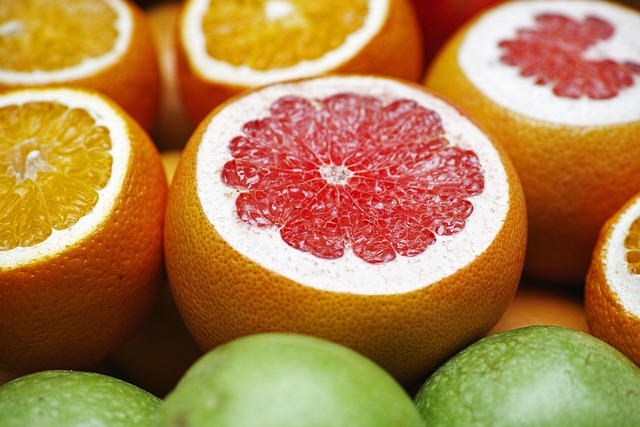
Veterinary and pet-nutrition organisations generally explain that grapefruit flesh itself is not toxic to dogs. However, they consistently classify grapefruit as a food requiring caution.
The AKC and PetMD note that grapefruit is very acidic and bitter, which can irritate a dog’s digestive system. The ASPCA further explains that citrus peels and plant parts contain compounds that may be harmful and are not suitable for dogs.
As a result, grapefruit is discussed cautiously across veterinary sources, with clear distinctions made between the flesh and other parts of the fruit.
Why Grapefruit Can Be a Problem for Some Dogs
High acidity
Pet-nutrition sources highlight that grapefruit’s acidity may cause gastrointestinal discomfort, particularly in dogs with sensitive stomachs.
Peel, pith, and seeds
The ASPCA lists citrus peels as unsafe due to essential oils and compounds that can irritate the digestive system and nervous system.
Strong bitterness
Veterinary articles note that bitterness itself can trigger nausea or refusal, contributing to digestive upset.
Signs Reported When Dogs React Poorly to Grapefruit
Veterinary sources describe the following signs when dogs do not tolerate citrus fruits well:
- Vomiting
- Diarrhoea
- Drooling
- Abdominal discomfort
These signs are generally linked to acidity or ingestion of peel or pith rather than toxicity from the flesh alone.
Ingredients or Additives to Watch For
Grapefruit may appear in products that introduce additional concerns:
- ❌ Peel or rind, classified as unsafe by the ASPCA
- ❌ Seeds, which may contribute to irritation or choking risk
- ⚠️ Grapefruit juice, which is highly acidic and concentrated
Concerns focus on parts of the fruit and concentration rather than grapefruit flesh alone.
Puppies vs. Adult Dogs
Veterinary literature notes that puppies may be more sensitive to acidic foods. Digestive upset related to citrus fruits may occur more readily in younger dogs, though adult dogs can also be affected.
Other Citrus Fruits Discussed in Veterinary Sources
Oranges
Often discussed as non-toxic but acidic, with similar digestive considerations.
Lemons and limes
Veterinary sources describe these as more likely to cause digestive irritation due to higher acidity.
Citrus Fruits Mentioned in Pet-Safety Literature
Veterinary and pet-safety organisations commonly reference:
- Oranges
- Grapefruits
- Lemons
- Limes
Discussions consistently focus on acidity and plant compounds rather than outright poisoning of flesh.
Frequently Asked Questions (FAQ)
This FAQ summarises themes appearing in veterinary and pet-nutrition articles.
It is informational only and not a substitute for professional veterinary care.
Is grapefruit toxic to dogs?
Veterinary organisations do not classify grapefruit flesh as toxic. The peel, pith, and seeds are considered unsafe.
Why do veterinary sources warn about citrus peels?
The ASPCA explains that citrus peels contain essential oils and compounds that can irritate dogs.
Is grapefruit juice different from the fruit?
Pet-nutrition sources note that juice is more concentrated and acidic, increasing the likelihood of digestive upset.
Source Reference
This page compiles information from publicly accessible veterinary and pet-safety resources, including:
-
American Kennel Club (AKC) — “Can Dogs Eat Grapefruit?”
https://www.akc.org/expert-advice/nutrition/can-dogs-eat-grapefruit/ -
PetMD — “Can Dogs Eat Grapefruit?”
https://www.petmd.com/dog/nutrition/can-dogs-eat-grapefruit -
ASPCA Animal Poison Control — “People Foods to Avoid Feeding Your Pets”
https://www.aspca.org/pet-care/animal-poison-control/people-foods
This page is informational only and does not constitute veterinary or medical advice. Readers are encouraged to review the cited sources directly.