Are Grapes Safe for Dogs?
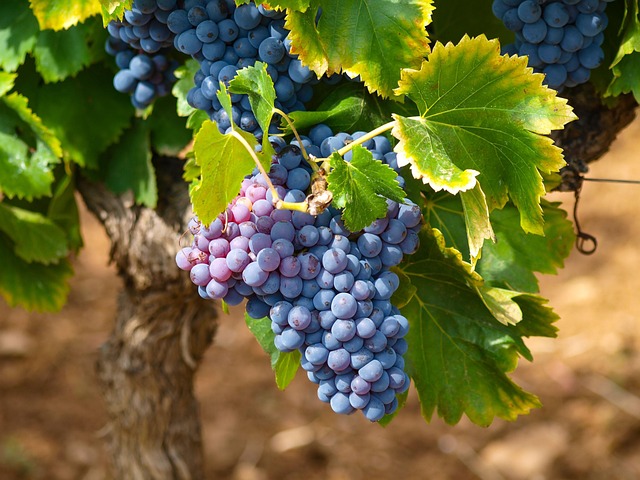
Veterinary organisations unanimously classify grapes as toxic to dogs. The ASPCA and Pet Poison Helpline warn that both grapes and raisins have been repeatedly linked to cases of acute kidney failure in dogs.
Source: https://www.petpoisonhelpline.com/poison/grapes/
VCA Hospitals explains that dogs may show symptoms within hours of ingestion, and that toxicity can occur even when only a small amount is consumed. Some dogs may be more sensitive than others, but there is no known safe dose.
Source: https://vcahospitals.com/know-your-pet/grape-or-raisin-poisoning-in-dogs
The Merck Veterinary Manual notes that although the exact toxic compound is unknown, veterinary toxicologists consistently classify grapes and raisins as dangerous because of their association with renal injury.
Source: https://www.merckvetmanual.com/toxicology/grape-and-raisin-toxicity-in-dogs
Why Grapes Can Be a Problem for Some Dogs
Main compounds of concern
- The specific toxin in grapes is unknown, but veterinary toxicology reports clearly link ingestion to acute kidney failure.
Portion size and dog size
Toxicity does not appear to correlate with a predictable dose. Even one or two grapes have been associated with illness in some dogs.
Preparation differences
Veterinary organisations classify all forms as unsafe:
- Fresh grapes
- Raisins
- Grape juice
- Grape products (including baked goods containing raisins)
Signs Reported When Dogs React Poorly to Grapes
- Vomiting (often the first sign)
- Diarrhoea
- Lethargy
- Loss of appetite
More serious signs
- Abdominal pain
- Dehydration
- Decreased or absent urination
- Signs of kidney failure, as described in veterinary toxicology reports
Ingredients or Additives to Watch For
- ❌ Raisins (more concentrated and often linked to severe toxicity)
- ❌ Foods containing raisins (bread, cereal, granola, cookies)
- ⚠️ Grape juice or extracts (also considered unsafe)
Puppies vs. Adult Dogs
Grapes are toxic to dogs of all ages, including puppies. Puppies may be at even higher risk because of their smaller body size, meaning even a tiny amount may cause serious problems.
Other Common Variants of Grapes
Raisins
Frequently associated with severe toxicity due to their concentrated nature. Veterinary sources classify them as extremely dangerous.
Grapeseed Extract
Veterinary sources note that purified grapeseed extract used in supplements is chemically different from whole grapes and is not associated with kidney failure, but it is not evaluated as a food and is not included in safe-food discussions.
Dog-Friendly Alternatives Mentioned in Pet-Nutrition Sources
- Blueberries
- Apple slices (seedless)
- Banana pieces
- Commercial dog treats
Frequently Asked Questions (FAQ)
This FAQ summarises themes appearing in veterinary pet-care articles.
It is informational only and not a substitute for professional veterinary care.
Why are grapes toxic to dogs?
The exact toxic compound is unknown, but grapes and raisins have been repeatedly linked to acute kidney failure in dogs.
Are some dogs more sensitive?
Yes. Veterinary reports show that some dogs become ill after very small amounts, while others show fewer signs, but no amount is considered safe.
Are raisins more dangerous than grapes?
Raisins are more concentrated and have been linked to severe toxicity, but both grapes and raisins are classified as dangerous.
Source Reference
This page compiles information from publicly accessible veterinary and pet-safety resources, including:
-
ASPCA — “Grape” (Toxic Plant Listing)
https://www.aspca.org/pet-care/animal-poison-control/toxic-and-non-toxic-plants/grape -
Pet Poison Helpline — “Grape & Raisin Poisoning”
https://www.petpoisonhelpline.com/poison/grapes/ -
VCA Hospitals — “Grape or Raisin Poisoning in Dogs”
https://vcahospitals.com/know-your-pet/grape-or-raisin-poisoning-in-dogs -
Merck Veterinary Manual — “Grape and Raisin Toxicity in Dogs”
https://www.merckvetmanual.com/toxicology/grape-and-raisin-toxicity-in-dogs
This page is informational only and does not constitute veterinary or medical advice. Readers are encouraged to review these sources directly.