Are Raisins Safe for Dogs?
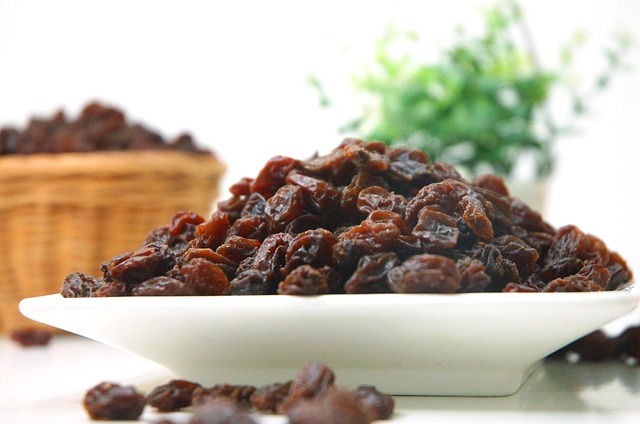
According to major veterinary toxicology and pet-safety organisations, raisins are toxic to dogs. Raisins are consistently grouped with grapes in veterinary literature and are widely recognised as a serious poisoning risk.
Veterinary sources emphasise that no safe amount of raisins has been identified. Some dogs develop severe illness after ingesting only a small quantity, while others may appear unaffected, making exposure unpredictable.
Why Raisins Are Dangerous for Dogs
Kidney toxicity
Veterinary toxicology sources report that raisins can cause acute kidney failure in dogs. The exact toxic compound has not been definitively identified, but the association with kidney injury is well established.
Unpredictable sensitivity
Pet-safety organisations note that dogs vary widely in their response to raisins. This variability means that even small or accidental exposures are treated as medical emergencies.
Concentrated form of grapes
Veterinary literature highlights that raisins are dried grapes, which concentrates whatever toxic component is responsible for kidney damage.
Signs Reported When Dogs Are Exposed to Raisins
Veterinary sources list the following early signs:
- Vomiting
- Diarrhoea
- Loss of appetite
- Lethargy
More serious signs
- Decreased or absent urine production
- Abdominal pain
- Tremors
- Signs of acute kidney failure
Ingredients or Additives of Particular Concern
Veterinary sources consistently state that raisins themselves are the primary hazard, regardless of preparation:
- ❌ Plain raisins — toxic
- ❌ Baked goods containing raisins — toxic due to raisin content
- ❌ Trail mixes or cereals with raisins — toxic
- ❌ Organic or natural raisins — equally toxic
Puppies vs. Adult Dogs
Veterinary toxicology sources indicate that both puppies and adult dogs are at risk from raisin ingestion. Body size does not reliably predict severity, and kidney damage has been reported across all ages and breeds.
Other Common Variants of Raisins
Sultanas
Veterinary sources classify sultanas the same as raisins, noting identical toxicity concerns.
Currants
Pet-safety organisations include currants alongside raisins and grapes as toxic to dogs.
Raisin-containing foods
Veterinary literature treats any food containing raisins as unsafe due to the same kidney risks.
Dog-Friendly Alternatives Mentioned in Pet-Safety Sources
Veterinary and pet-nutrition articles commonly reference the following fruits as examples discussed in canine diets:
- Apples (without seeds)
- Blueberries
- Strawberries
Frequently Asked Questions (FAQ)
This FAQ summarises themes appearing in veterinary toxicology and pet-safety literature.
It is informational only and not a substitute for professional veterinary care.
Are raisins toxic to dogs?
Yes. Veterinary sources consistently classify raisins as toxic and associated with kidney failure in dogs.
Is there a safe amount of raisins for dogs?
Veterinary organisations state that no safe dose has been established. Even small amounts may cause severe illness.
Are raisins more dangerous than grapes?
Veterinary literature treats raisins and grapes as equally dangerous, noting that raisins are a more concentrated form.
Source Reference
This page compiles information from publicly accessible veterinary and pet-safety resources, including:
-
ASPCA Animal Poison Control — “Grapes and Raisins”
https://www.aspca.org/pet-care/animal-poison-control/toxic-and-non-toxic-plants/grapes-and-raisins -
American Kennel Club (AKC) — “Can Dogs Eat Raisins?”
https://www.akc.org/expert-advice/nutrition/can-dogs-eat-raisins/ -
Pet Poison Helpline — “Raisins”
https://www.petpoisonhelpline.com/poison/raisins/ -
VCA Hospitals — “Grape, Raisin, and Currant Poisoning in Dogs”
https://vcahospitals.com/know-your-pet/grape-raisin-and-currant-poisoning-in-dogs
This page is informational only and does not constitute veterinary or medical advice. Readers are encouraged to review these sources directly.