Are Chives Safe for Dogs?
Veterinary pet-safety and toxicology sources including the ASPCA, the American Kennel Club, and PetMD consistently classify chives as toxic to dogs. Chives belong to the Allium family, which also includes onions, garlic, leeks, and shallots.
Allium plants contain sulfur-containing compounds that veterinary toxicology references associate with damage to red blood cells. Because of this mechanism, chives are not considered safe in any form.
Across authoritative veterinary sources, chives are treated as a toxic food rather than a food of concern.
Why Chives Are Dangerous for Dogs
Main compounds of concern
- Organosulfoxides, sulfur-containing compounds found in Allium plants that veterinary toxicology sources associate with oxidative damage to red blood cells.
Mechanism of toxicity
Veterinary references explain that ingestion of Allium plants can lead to hemolytic anemia, a condition in which red blood cells are destroyed faster than they can be replaced.
Preparation differences
Veterinary sources consistently state that raw, cooked, dried, or powdered chives all pose a risk. Cooking or drying does not eliminate the toxic compounds.
Signs Reported When Dogs Are Exposed to Chives
Veterinary toxicology sources list the following possible signs:
- Vomiting
- Diarrhoea
- Abdominal discomfort
- Lethargy
More serious signs
- Pale gums
- Weakness
- Elevated heart rate
- Signs consistent with anemia
Symptoms may be delayed and can appear hours to days after ingestion.
Ingredients or Additives to Watch For
- ❌ Fresh chives
- ❌ Dried or powdered chives (often used as seasoning)
- ❌ Foods containing chives (such as herb blends, dips, or garnishes)
Puppies vs. Adult Dogs
Veterinary sources indicate that puppies may be at higher risk due to smaller body size, but toxicity applies to dogs of all ages. Repeated or cumulative exposure is also noted as a concern in veterinary literature.
Other Common Variants of Chives
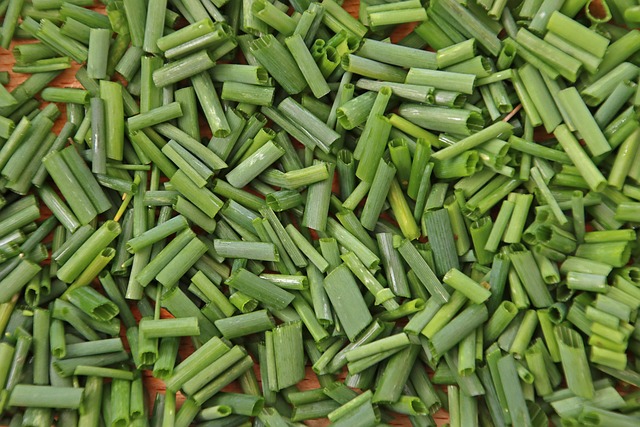
Fresh Chives
Veterinary sources classify fresh chives as toxic.
Dried Chives
Drying concentrates compounds by weight and does not reduce toxicity.
Chives in Prepared Foods
Veterinary references note that prepared foods containing chives still pose a risk due to Allium compounds.
Dog-Friendly Alternatives Mentioned in Pet-Nutrition Sources
- Plain carrots
- Green beans
- Plain pumpkin
Frequently Asked Questions (FAQ)
This FAQ summarises themes appearing in veterinary pet-care articles.
It is informational only and not a substitute for professional veterinary care.
Are chives toxic to dogs?
Veterinary sources such as the ASPCA, AKC, and PetMD classify chives as toxic to dogs.
Are chives as dangerous as onions or garlic?
Veterinary literature places chives in the same Allium group as onions and garlic, with similar toxic effects.
Does cooking chives make them safe?
Veterinary toxicology references state that cooking does not remove the toxic compounds.
Source Reference
This page compiles information from publicly accessible veterinary and pet-safety resources, including:
-
ASPCA — “Chives (Toxic and Non-Toxic Plants)”
https://www.aspca.org/pet-care/animal-poison-control/toxic-and-non-toxic-plants/chives -
American Kennel Club (AKC) — “Can Dogs Eat Chives?”
https://www.akc.org/expert-advice/nutrition/can-dogs-eat-chives/ -
PetMD — “Can Dogs Eat Chives?”
https://www.petmd.com/dog/nutrition/can-dogs-eat-chives
This page is informational only and does not constitute veterinary or medical advice. Readers are encouraged to review the cited sources directly.