Are Olives Safe for Dogs?
According to veterinary and pet-nutrition sources including the American Kennel Club and PetMD, olives are not considered toxic to dogs. These sources consistently describe olives as a food that does not contain known toxic compounds for dogs.
However, veterinary literature generally classifies olives as a food of concern rather than a neutral food. This classification is linked to how olives are typically prepared and packaged, rather than to the olive fruit itself.
Why Olives Can Be a Problem for Some Dogs
High salt content
Veterinary nutrition articles frequently note that most olives are cured or brined. This process results in high sodium levels, which are commonly highlighted as a concern in dogs when consumed in excess.
Physical pit hazard
Pet-safety sources consistently mention olive pits as a potential choking or gastrointestinal obstruction risk.
Added ingredients
Veterinary sources point out that prepared olives may contain additional ingredients such as oils, herbs, or flavorings that are not part of a dog’s regular diet.
Signs Reported When Dogs React Poorly to Olives
Veterinary and pet-nutrition sources describe the following signs as possible reactions:
- Increased thirst
- Vomiting
- Diarrhoea
More serious concerns
- Choking or gastrointestinal blockage related to ingestion of pits
Ingredients or Additives to Watch For
Veterinary sources frequently identify the following as concerns in commercially prepared olives:
- ❌ Salt (sodium) — present at elevated levels due to brining
- ❌ Garlic or onion flavorings — classified as toxic to dogs by ASPCA/APCC
- ⚠️ Herbs, spices, or marinades — commonly listed as potential digestive irritants
Puppies vs. Adult Dogs
Veterinary nutrition sources generally note that puppies may be more sensitive to salt and digestive upset. The pit-related risks described for olives apply to both puppies and adult dogs.
Other Common Variants of Olives
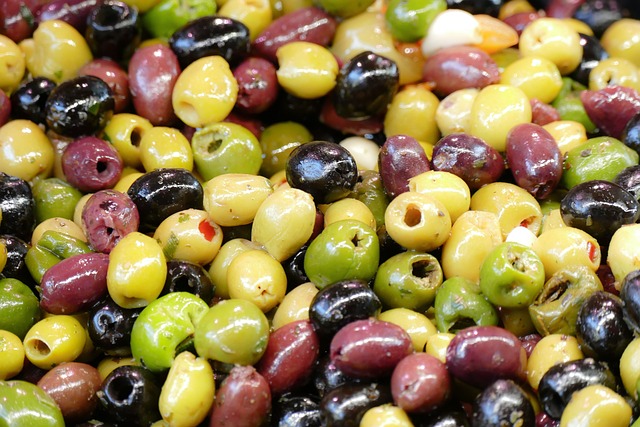
Green olives
Pet-nutrition articles typically discuss green olives alongside other olive varieties, noting similar salt and pit concerns.
Black olives
Veterinary sources describe black olives as comparable to green olives in terms of dog safety, with preparation being the primary issue.
Stuffed olives
Stuffed olives are frequently highlighted as a greater concern due to additional fillings, which may include ingredients unsuitable or toxic for dogs.
Dog-Friendly Alternatives Mentioned in Pet-Nutrition Sources
Veterinary and pet-nutrition articles commonly reference the following foods as simpler alternatives:
- Plain vegetables
- Fruits listed as safe for dogs
- Commercial dog treats
Frequently Asked Questions (FAQ)
This FAQ summarises themes appearing in veterinary pet-nutrition articles.
It is informational only and not a substitute for professional veterinary care.
Are olives toxic to dogs?
Veterinary sources do not list olives as toxic. Concerns focus on salt, pits, and added ingredients rather than toxicity.
Is the pit the main concern?
Pet-safety sources frequently highlight olive pits as a physical hazard due to choking or blockage risk.
Are plain olives different from seasoned olives?
Veterinary nutrition articles distinguish plain olives from seasoned or stuffed varieties, noting that added ingredients increase potential risks.
Source Reference
This page compiles information from publicly accessible veterinary and pet-nutrition resources, including:
-
American Kennel Club (AKC) — “Can Dogs Eat Olives?”
https://www.akc.org/expert-advice/nutrition/can-dogs-eat-olives/ -
PetMD — “Can Dogs Eat Olives?”
https://www.petmd.com/dog/nutrition/can-dogs-eat-olives
This page is informational only and does not constitute veterinary or medical advice. Readers are encouraged to review these sources directly.