 Caution
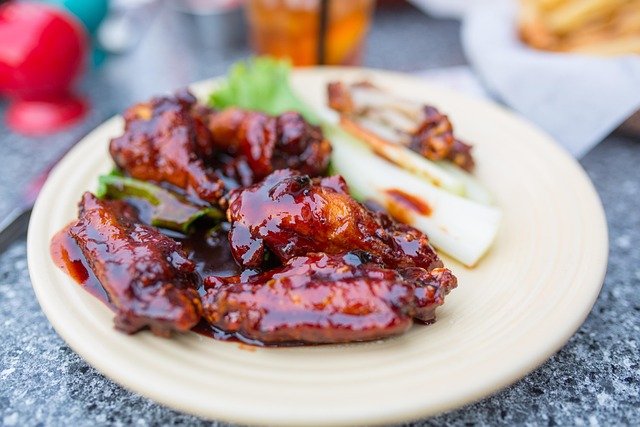
 Barbecue Sauce
Veterinary and pet-safety sources generally classify barbecue sauce as unsuitable for dogs due to common ingredients such as onion, garlic, sugar, salt, and spices.
Read full guide →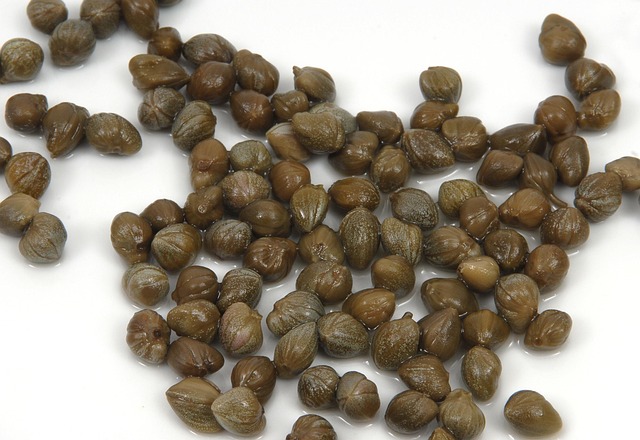 Caution
 Capers
Veterinary pet-care sources state that capers themselves are not toxic to dogs, but they are typically preserved in brine and contain very high levels of salt, which may cause digestive upset or other health concerns.
Read full guide →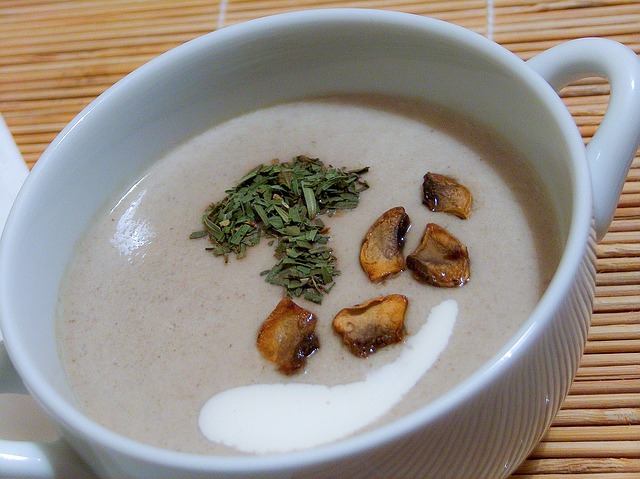 Caution
 Cream of Mushroom Soup
Cream of mushroom soup isn't safe for dogs — it's very high in sodium, contains dairy, and the standard canned variety includes dried garlic. Learn what's actually in it, the real risk levels, and what to do if your dog ate some.
Read full guide →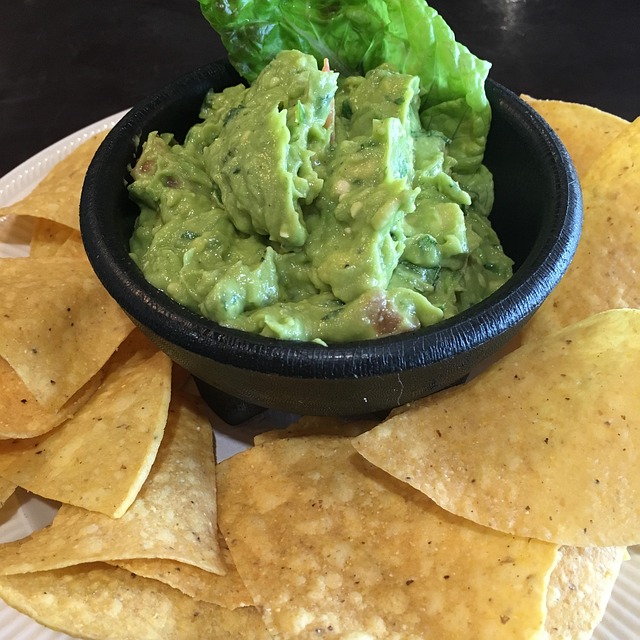 Toxic
Toxic Guacamole
Veterinary toxicology sources classify guacamole as unsafe for dogs due to toxic ingredients such as onion and garlic, along with avocado-related concerns.
Read full guide →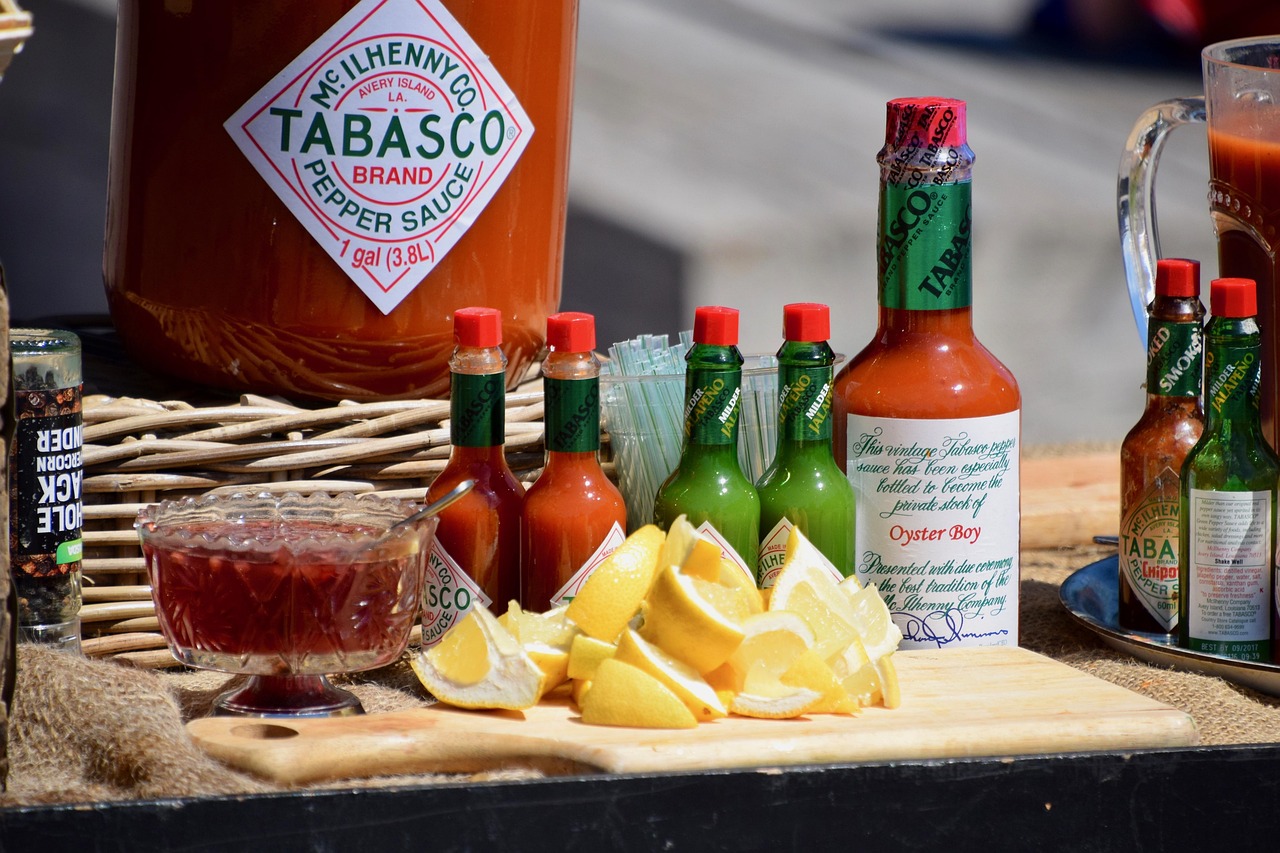 Caution
 Hot Sauce
Veterinary and pet-safety sources describe hot sauce as non-toxic to dogs but warn that spicy ingredients, acids, and common additives such as garlic or onion can cause significant digestive irritation.
Read full guide →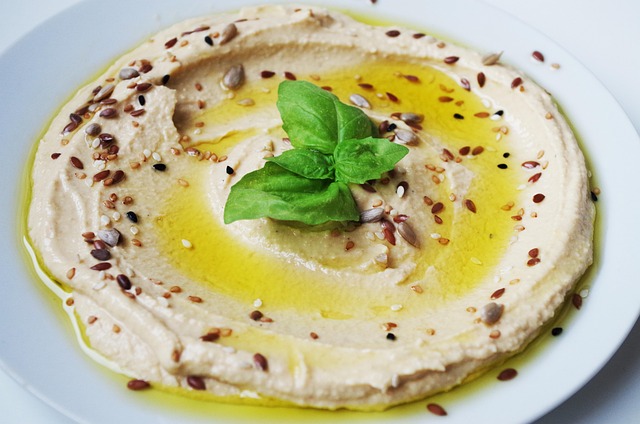 Caution
 Hummus
Hummus is not safe to give dogs deliberately — garlic is the lead concern, present in meaningful amounts per serving, with a real cumulative risk from regular feeding. The other ingredients (tahini, olive oil, chickpeas, lemon juice, salt) range from benign to a secondary fat concern. A single lick is unlikely to be a crisis; a dog that ate a significant amount needs attention.
Read full guide →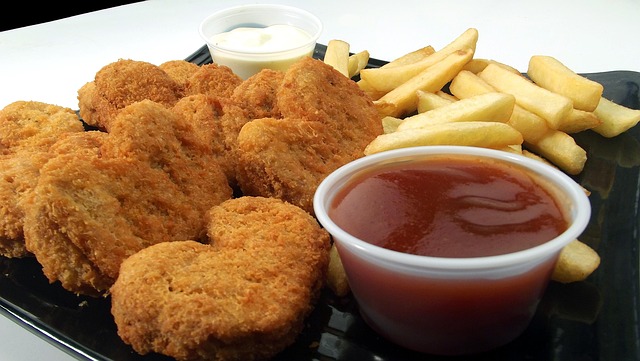 Caution
 Ketchup
Ketchup is not acutely dangerous for a dog that licks the plate, but it isn't safe to give deliberately. The real concerns rank in order: onion powder (present in standard ketchup, low per tablespoon but cumulative), sugar and salt (minor), and xylitol (genuinely serious but not documented in mainstream products — check the label on any reduced-sugar variant).
Read full guide →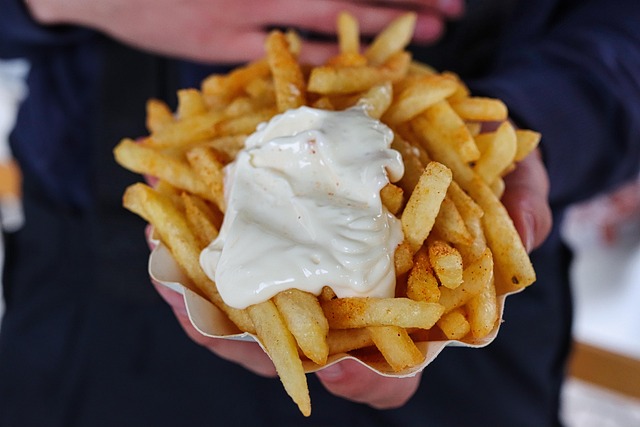 Caution
 Mayonnaise
Veterinary and pet-nutrition sources describe mayonnaise as non-toxic to dogs, but highlight concerns related to very high fat content, calories, and the potential inclusion of unsafe ingredients in flavoured varieties.
Read full guide →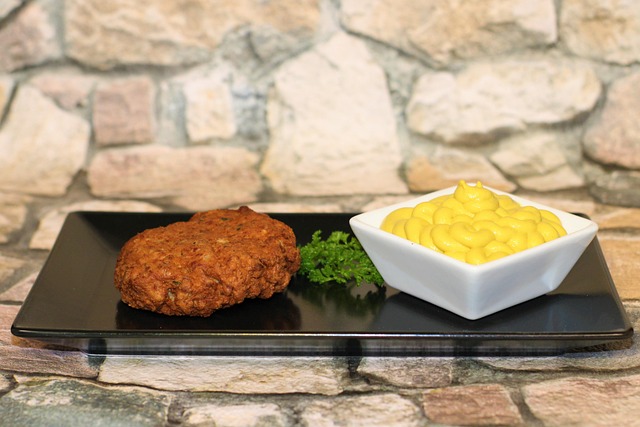 Caution
 Mustard
Veterinary and pet-nutrition sources describe mustard as non-toxic to dogs, but warn that mustard seeds and prepared mustard can cause gastrointestinal irritation due to spices, vinegar, and salt.
Read full guide →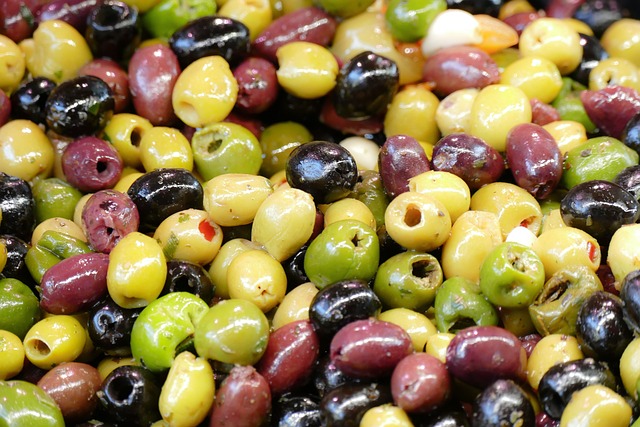 Caution
 Olives
Veterinary and pet-nutrition sources describe olives as not toxic to dogs but note concerns related to high salt content, pits, and added ingredients commonly found in prepared olives.
Read full guide →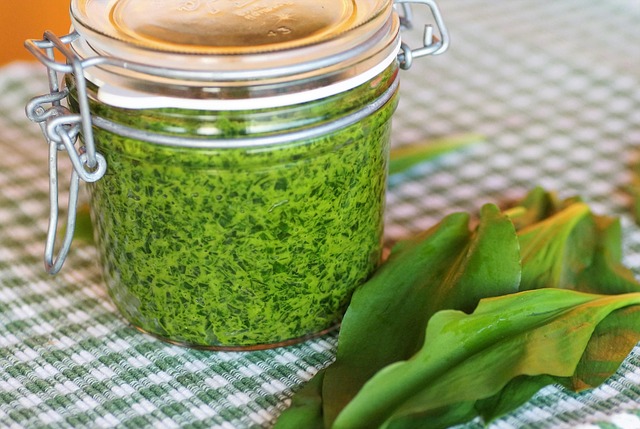 Caution
 Pesto
Pesto is unsafe for dogs — garlic is the lead hazard, causing oxidative damage to red blood cells that can lead to haemolytic anaemia. Learn the real dose picture, why cumulative exposure matters, and what to do if your dog ate pesto.
Read full guide →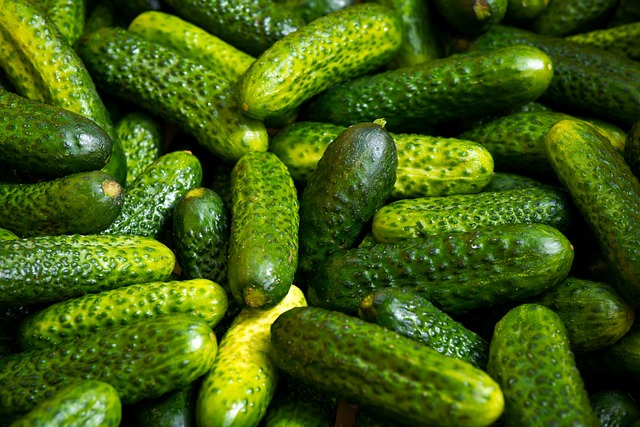 Caution
 Pickles
Veterinary and pet-nutrition sources describe pickles as not toxic to dogs but note risks related to very high salt content, vinegar, and added seasonings commonly used in pickling.
Read full guide →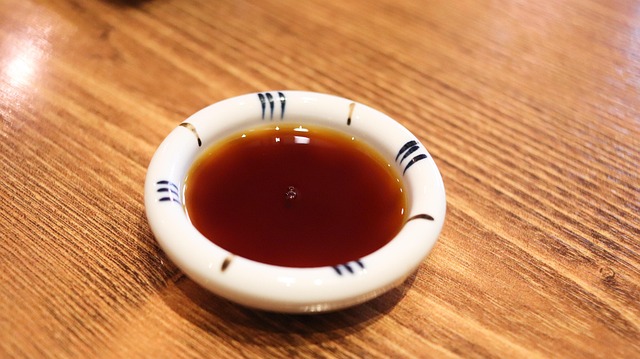 Caution
 Soy Sauce
Soy sauce is too salty for dogs and can cause salt poisoning in larger amounts. Learn the real risk, the warning signs, and what to do if your dog ate some.
Read full guide →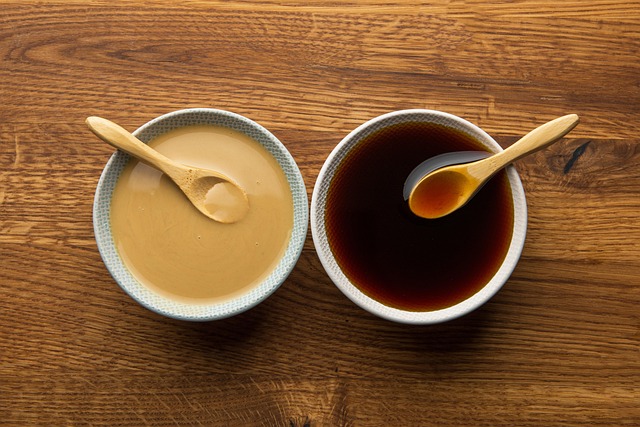 Caution
 Tahini
Tahini is not classified as toxic to dogs, but veterinary sources note concerns related to high fat content, added salt, and digestive sensitivity associated with sesame-based products.
Read full guide →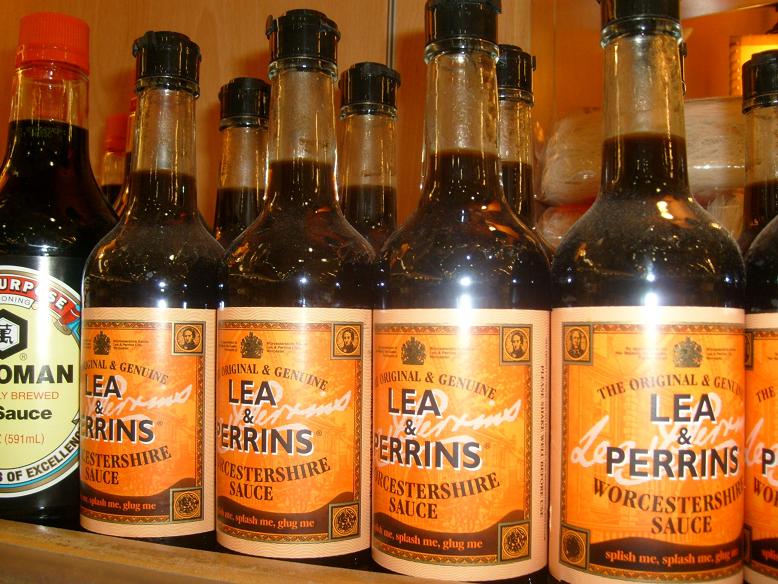 Caution
 Worcestershire Sauce
Worcestershire sauce contains onion and garlic, but per teaspoon the combined allium load is well under 0.3% of the acute threshold for a 10 lb dog — the lowest of any allium-bearing condiment on this site. A culinary dash or a lick off the plate is essentially negligible. A dog that drank from the bottle is a different scenario, and primarily a sodium concern.
Read full guide → Caution Guacamole
Guacamole has two distinct hazard threads that are routinely conflated. Onion (and often garlic) is the real primary concern — a meaningful allium load per serving. Avocado's acute persin toxicity is widely overstated for dogs: the veterinary sources that matter say dogs are far less sensitive than birds or horses. The real avocado concerns are high fat and pit obstruction, not persin.
Read full guide →