Is Guacamole Safe for Dogs?
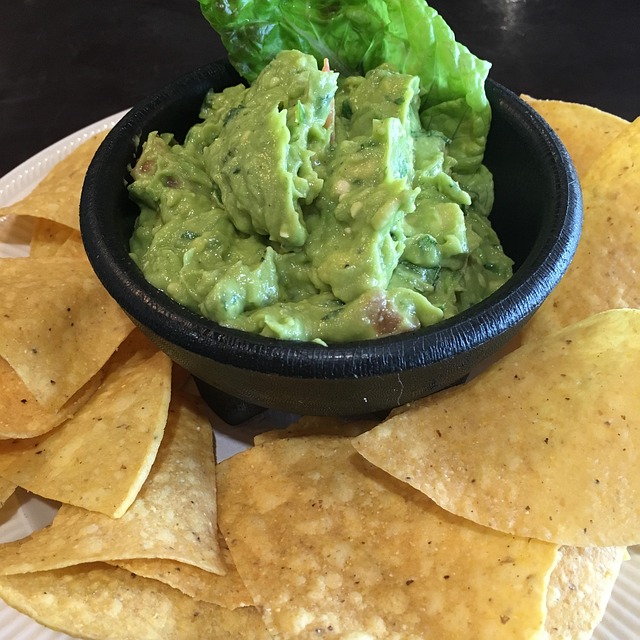
Veterinary toxicology authorities consistently classify guacamole as unsafe for dogs. While guacamole is made primarily from avocado, veterinary sources focus on the combined ingredients when assessing risk.
The ASPCA and Pet Poison Helpline highlight that guacamole commonly contains onion and garlic, both of which are well-established toxins for dogs. The AKC also discusses avocado as a food of concern due to persin content and physical hazards related to pits.
Across veterinary guidance, guacamole is treated as a toxic food because it combines multiple unsafe ingredients.
Why Guacamole Is Dangerous for Dogs
Onion and garlic
Veterinary toxicology sources identify onion and garlic as toxic to dogs due to sulfur-containing compounds that damage red blood cells and can lead to anaemia.
Avocado content
The AKC explains that avocado contains persin and is high in fat, both of which may cause problems in dogs. While dogs are less sensitive to persin than some species, avocado remains a food of concern.
Added salt and seasoning
Veterinary sources frequently note that guacamole contains salt, spices, and flavourings, which further increase digestive and health risks.
Signs Reported When Dogs React to Guacamole
Veterinary organisations report the following signs associated with ingestion of guacamole or its toxic ingredients:
- Vomiting
- Diarrhoea
- Lethargy
- Abdominal discomfort
More serious signs
- Pale gums
- Weakness
- Collapse
- Signs consistent with haemolytic anaemia
Symptoms related to onion or garlic exposure may be delayed.
Ingredients or Additives of Particular Concern
Guacamole commonly includes ingredients that veterinary organisations explicitly classify as unsafe:
- ❌ Onion (toxic to dogs)
- ❌ Garlic (toxic to dogs)
- ⚠️ Avocado, listed as a food of concern
- ⚠️ High salt levels, common in prepared guacamole
The combination of these ingredients is central to its toxic classification.
Puppies vs. Adult Dogs
Veterinary toxicology sources state that onion and garlic toxicity affects dogs of all ages. Puppies may be more vulnerable due to smaller body size, but adult dogs are also at risk.
Other Avocado-Based Foods
Plain avocado
Veterinary sources classify avocado as unsafe due to persin content and choking risks from the pit.
Avocado dips and spreads
These are treated similarly to guacamole due to the frequent inclusion of onion, garlic, salt, and spices.
Allium-Containing Foods Listed as Toxic
Veterinary and pet-safety organisations consistently list the following as toxic:
- Onion (raw, cooked, powdered)
- Garlic (raw, cooked, powdered)
- Leeks
- Chives
Guacamole commonly contains one or more of these ingredients.
Frequently Asked Questions (FAQ)
This FAQ summarises themes appearing in veterinary toxicology and pet-safety resources.
It is informational only and not a substitute for professional veterinary care.
Is guacamole more dangerous than avocado alone?
Veterinary sources indicate that guacamole is higher risk because it typically contains onion or garlic, which are toxic to dogs.
Does removing visible onion make guacamole safer?
Veterinary toxicology organisations state that even small amounts or blended forms of onion or garlic remain toxic.
Are store-bought and homemade guacamole treated differently?
Veterinary sources focus on ingredients rather than preparation method. Both are classified as unsafe if they contain onion or garlic.
Source Reference
This page compiles information from publicly accessible veterinary and pet-safety resources, including:
-
ASPCA Animal Poison Control — “People Foods to Avoid Feeding Your Pets”
https://www.aspca.org/pet-care/animal-poison-control/people-foods -
Pet Poison Helpline — “Onion Poisoning in Dogs”
https://www.petpoisonhelpline.com/poison/onion/ -
American Kennel Club (AKC) — “Can Dogs Eat Avocado?”
https://www.akc.org/expert-advice/nutrition/can-dogs-eat-avocado/
This page is informational only and does not constitute veterinary or medical advice. Readers are encouraged to review the cited sources directly.