Is Soy Sauce Safe for Dogs?
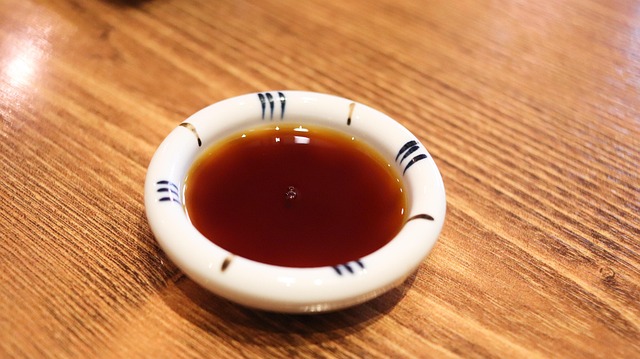
Soy sauce isn’t a safe food for dogs. The problem isn’t a hidden poison — it’s salt. Soy sauce is one of the saltiest condiments in a typical kitchen, and dogs have a much lower tolerance for sodium than people do. There’s also no nutritional reason to give it, so the sensible approach is simple: don’t add soy sauce to anything your dog eats, and keep takeaway and marinades out of reach.
That said, it’s worth understanding the actual level of risk, because the honest picture is more useful than alarm. A dog that licks a few drops off a plate is in a very different situation from one that laps up a spilled bottle, and knowing the difference helps you respond calmly and correctly.
Why Soy Sauce Is a Problem for Dogs
The single concern is the sodium (salt) content. One tablespoon of regular soy sauce contains roughly 900 milligrams of sodium — the equivalent of a little over two grams of actual salt. For comparison, that one tablespoon is around 40% of an adult human’s recommended daily sodium limit, packed into a teaspoon-and-a-half of liquid.
A quick but important distinction: nutrition labels measure sodium, while veterinary toxicity figures are usually given for salt (sodium chloride). Salt weighs about two and a half times its sodium content, so the two numbers are not interchangeable — a point that trips up a lot of online advice and leads to overstated warnings.
Too much salt too quickly can cause a condition vets call hypernatremia, or salt poisoning, where rising sodium in the blood pulls water out of the body’s cells. In serious cases this affects the brain and nervous system. It’s uncommon, but it’s real, and it comes on over minutes to hours rather than building up slowly over days.
How Much Soy Sauce Is Actually Dangerous?
This is the question most “is it safe” pages skip, so here is the calibrated answer based on veterinary toxicology sources.
Published figures indicate that signs of salt toxicity can begin at roughly 2 to 3 grams of salt per kilogram of body weight, and that around 4 grams per kilogram can be life-threatening. These thresholds scale with size — a small dog reaches them on far less salt than a large one.
Putting that together with soy sauce’s salt content:
- A 20-lb (9 kg) dog would need to consume on the order of eight or more tablespoons of soy sauce to reach the lower end of the toxic range — a large amount it’s very unlikely to eat by accident in a single sitting.
- A small 10-lb dog reaches that range on roughly half as much.
- A puppy, or a dog with heart or kidney disease, can be affected at lower amounts, and a dog with no access to fresh water is at meaningfully higher risk.
So the realistic reading is this: a small accidental lick or two will not poison a healthy medium or large dog — though it can still cause an upset stomach and is a habit worth discouraging. The situations that genuinely warrant concern are a spilled bottle, a bowl of marinade, a heavily-sauced takeaway portion, or any sizeable amount eaten by a small dog or puppy. When in doubt, weigh the amount against your dog’s size and call your vet.
What To Do If Your Dog Ate Soy Sauce
If your dog has had more than a tiny taste:
- Note the amount and the time. A rough estimate of how much, and how long ago, is the most useful thing you can tell a vet.
- Make sure fresh water is freely available. Do not restrict water, and do not try to force large amounts either — just keep a normal bowl accessible.
- Do not try to make your dog vomit unless a vet specifically tells you to.
- Call your vet or an animal poison line. In the US, the Pet Poison Helpline is (855) 764-7661 (note: a per-incident fee, currently around $89, applies). Outside the US, contact your own vet or your country’s nearest animal poison service — your regular veterinary clinic can direct you.
- Watch for symptoms over the next several hours (see below) and seek care promptly if any appear.
Acting on the quantity is the key judgement: a few drops generally means monitor and move on; a large amount, or any significant amount in a small dog, means call for advice without delay.
Signs of Salt Poisoning in Dogs
Veterinary sources associate excess salt intake with the following. Early signs include:
- Vomiting
- Diarrhoea
- Excessive thirst and urination
- Lethargy or low energy
More serious signs, which warrant immediate veterinary attention:
- Tremors or muscle stiffness
- Loss of coordination or disorientation
- Seizures
- Collapse
Vomiting is often the first sign and can appear within a few hours of a large ingestion.
What About Low-Sodium Soy Sauce and Tamari?
Reduced-sodium soy sauce still contains around 500–600 mg of sodium per tablespoon — lower than regular, but still far too salty to be appropriate for a dog, and with no benefit to offer. Tamari and most other soy-based sauces sit in a similar range. The bottom line is the same across all of them: not a food to share with your dog.
This puts soy sauce in the same bracket as other heavily-salted foods. If your dog tends to clean up around the dinner table, it’s worth reading up on Worcestershire sauce and anchovies too, both of which raise very similar salt concerns.
Safer Ways to Add Flavour
If you want to make plain food more appealing to your dog, skip the salt entirely and use:
- A small amount of low-sodium or unsalted beef broth or chicken broth
- Plain cooked meat with no seasoning, oil, or sauce
- Vet-formulated treats and food toppers designed for dogs
These give you the “tastier meal” effect without the sodium load.
Frequently Asked Questions
This FAQ summarises general veterinary guidance. It’s informational only and not a substitute for advice from your own vet, who knows your dog.
My dog licked a little soy sauce — should I panic?
Almost certainly not. A small lick is unlikely to cause salt poisoning in a healthy adult dog. Make sure water is available, keep an eye on them for a few hours, and don’t make a habit of it. If your dog is very small, very young, or unwell, or if the amount was more than a taste, call your vet to be safe.
How much soy sauce is toxic to a dog?
It depends heavily on the dog’s size. Salt toxicity signs can begin around 2–3 grams of salt per kilogram of body weight. For a 20-lb dog that’s roughly eight or more tablespoons of soy sauce — a large amount — while a small dog or puppy reaches the risky range on far less.
Is low-sodium soy sauce safe for dogs?
No. It has less salt than regular soy sauce but is still far too salty for dogs, and there’s no reason to feed it.
Why is salt such a concern for dogs?
In excess, salt pulls water out of the body’s cells and raises blood sodium to harmful levels, which can affect the nervous system. Dogs need far less sodium than humans and get all they require from balanced dog food.
About This Guide
This guide was researched and written by Claire Donnelly for Is It Safe For My Dog?. We are not veterinarians. Each guide is compiled from published, publicly accessible veterinary and toxicology sources — for this page, the ASPCA, the Pet Poison Helpline, the American Kennel Club, and the Merck Veterinary Manual — and the specific figures are cross-checked against more than one source before publication. Where sources disagree, we say so. This is general information to help you make an informed decision; it does not replace a consultation with your own vet, who can account for your individual dog’s size, age, and health.
Sources for the figures on this page
- Merck Veterinary Manual — Salt Toxicosis in Animals (toxic and lethal dose thresholds)
- American College of Veterinary Pharmacists / AKC — guidance on salt toxicosis in dogs
- ASPCA Animal Poison Control — People Foods to Avoid Feeding Your Pets
- Pet Poison Helpline — Salt / Sodium
This page is informational only and does not constitute veterinary or medical advice. If you are worried about your dog, contact your vet or a local animal poison service.