Is Jelly Safe for Dogs?
Veterinary and pet-nutrition organisations generally classify jelly as non-toxic to dogs, meaning it is not listed as a poison by veterinary toxicology authorities.
However, jelly is consistently described as a food requiring caution. The AKC and PetMD explain that jelly is a highly processed sweet spread made primarily from fruit juice and sugar, offering no nutritional benefit for dogs and presenting risks depending on formulation.
Across veterinary guidance, concerns focus on sugar concentration and ingredient selection, not inherent toxicity.
Why Jelly Can Be a Problem for Some Dogs
Very high sugar content
Pet-nutrition sources note that jelly contains concentrated sugars, which may contribute to digestive upset and other health concerns.
Ingredient-specific risks
Veterinary organisations highlight that some jellies are made from fruits that are unsafe for dogs or include artificial sweeteners.
Processing and additives
Jelly may contain preservatives, colourings, or sweeteners that change its overall safety profile.
Signs Reported When Dogs React Poorly to Jelly
Veterinary sources describe the following signs when dogs do not tolerate sugary foods well:
- Vomiting
- Diarrhoea
- Abdominal discomfort
These effects are typically linked to sugar intake rather than toxicity.
Ingredients or Additives to Watch For
Jelly products may contain ingredients that veterinary organisations explicitly classify as unsafe:
- ❌ Xylitol, sometimes used in sugar-free jellies and classified as highly toxic
- ❌ Grapes or grape juice, classified as toxic to dogs
- ⚠️ Extremely high sugar levels, common in traditional jelly
- ⚠️ Artificial sweeteners or preservatives, which may irritate digestion
Risk depends heavily on the specific product.
Puppies vs. Adult Dogs
Veterinary literature notes that puppies may be more sensitive to high-sugar foods due to immature digestive systems. Toxic ingredients such as xylitol or grape-based products pose risks to dogs of all ages.
Common Types of Jelly Discussed in Veterinary Sources
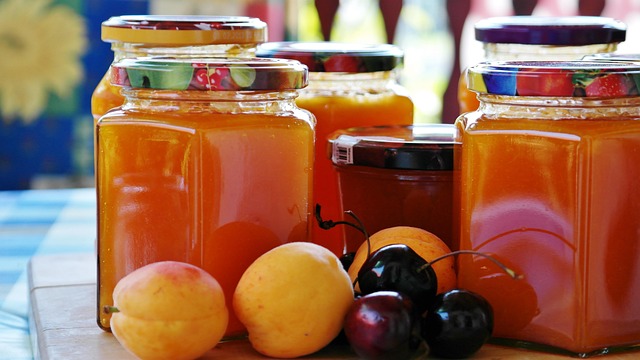
Fruit jelly
Discussed with caution due to sugar and fruit source.
Sugar-free jelly
Veterinary sources highlight these as higher risk because they may contain xylitol.
Jelly spreads and preserves
Treated similarly, with emphasis on ingredients rather than texture.
Sweet Foods Mentioned in Pet-Safety Literature
Veterinary and pet-safety organisations frequently reference these foods when discussing sugar and sweeteners:
- Jelly and jam
- Syrups
- Candy
- Sweet spreads
Discussions consistently focus on sugar load and hidden toxic ingredients.
Frequently Asked Questions (FAQ)
This FAQ summarises themes appearing in veterinary and pet-nutrition articles.
It is informational only and not a substitute for professional veterinary care.
Is jelly toxic to dogs?
Veterinary organisations do not classify jelly itself as toxic. Risks depend on sugar content and added ingredients.
Why is xylitol mentioned in relation to jelly?
The ASPCA and other veterinary sources list xylitol as highly toxic to dogs, and it is sometimes used in sugar-free jelly products.
Are grape jellies a concern?
Veterinary sources classify grapes and grape products as toxic to dogs, making grape-based jellies unsafe.
Source Reference
This page compiles information from publicly accessible veterinary and pet-safety resources, including:
-
American Kennel Club (AKC) — “Can Dogs Eat Jelly?”
https://www.akc.org/expert-advice/nutrition/can-dogs-eat-jelly/ -
PetMD — “Can Dogs Eat Jelly?”
https://www.petmd.com/dog/nutrition/can-dogs-eat-jelly -
ASPCA Animal Poison Control — “People Foods to Avoid Feeding Your Pets”
https://www.aspca.org/pet-care/animal-poison-control/people-foods
This page is informational only and does not constitute veterinary or medical advice. Readers are encouraged to review the cited sources directly.