 Caution
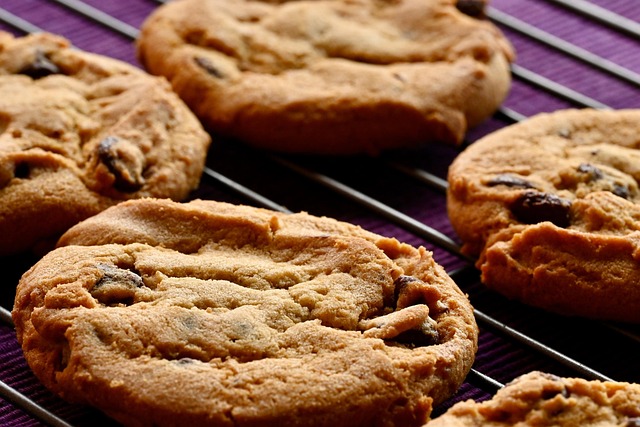
 Biscuits (Cookies)
Veterinary nutrition sources generally classify cookies as unsuitable for dogs due to high sugar, fat, and the frequent presence of ingredients that are toxic or harmful to dogs.
Read full guide → Caution
 Cake
Veterinary pet-care sources generally state that cake itself is not inherently toxic to dogs, but cakes commonly contain sugar, fat, and ingredients such as chocolate or artificial sweeteners that can pose health risks.
Read full guide →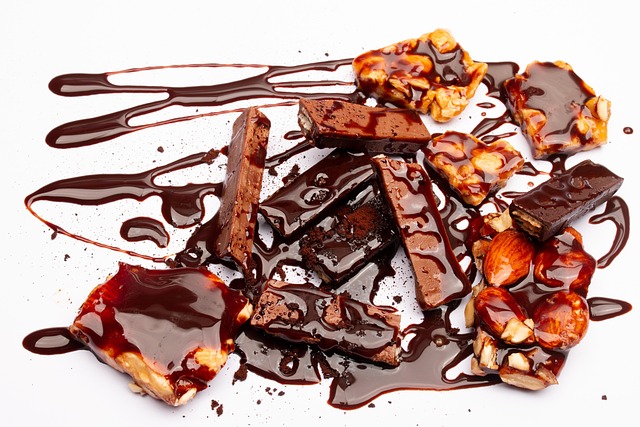 Caution
 Candied Nuts
Veterinary pet-care sources state that many nuts are not toxic to dogs, but candied nuts raise additional concerns due to added sugar, fats, and the possible presence of ingredients such as chocolate or artificial sweeteners.
Read full guide →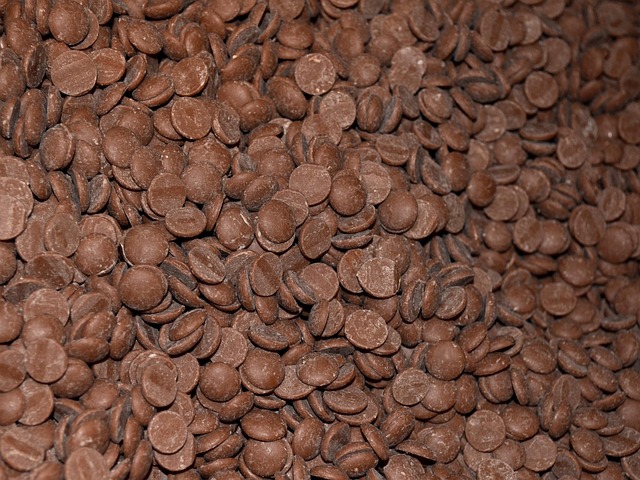 Toxic
Toxic Chocolate Chips
Veterinary toxicology sources classify chocolate chips as toxic to dogs because they contain theobromine and caffeine, compounds that dogs cannot metabolise safely.
Read full guide →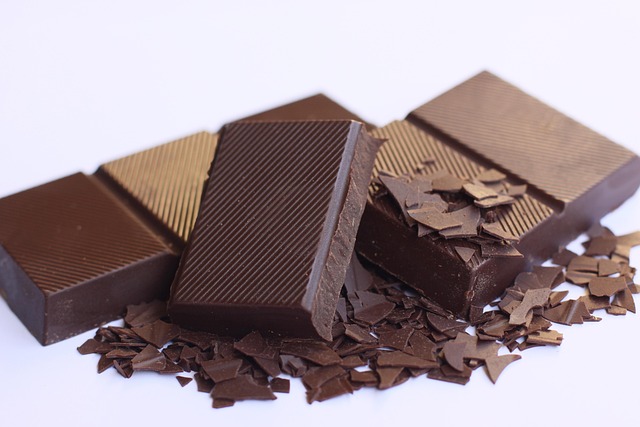 Toxic
Toxic Chocolate
Veterinary organisations classify chocolate as toxic to dogs because it contains theobromine and caffeine, which dogs cannot process effectively.
Read full guide → Caution Cookies
Veterinary pet-care sources state that cookies are not a single toxic food, but many cookies contain ingredients such as chocolate, xylitol, raisins, or high sugar and fat levels that are associated with health risks for dogs.
Read full guide → Caution
 Donuts
Veterinary pet-care sources state that donuts are not a single toxic food, but they commonly contain sugar, fat, and ingredients such as chocolate or xylitol that are associated with health risks for dogs.
Read full guide →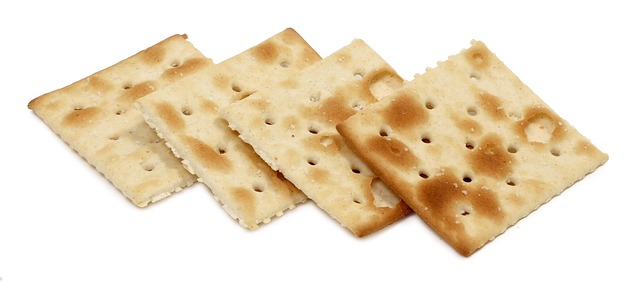 Caution
 Graham Crackers
Veterinary and pet-nutrition sources describe graham crackers as non-toxic to dogs, but note concerns related to sugar, refined carbohydrates, and added ingredients commonly found in sweet snacks.
Read full guide →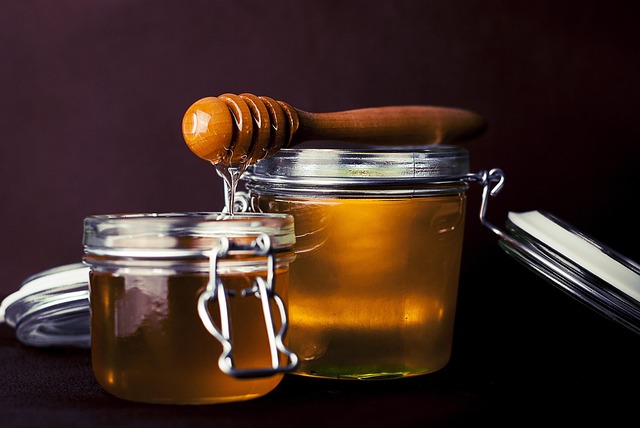 Caution
 Honey
Veterinary and pet-nutrition sources generally describe honey as non-toxic to dogs, but note concerns related to sugar content and the risk of botulism spores, particularly for puppies.
Read full guide → Caution
 Ice Cream
Veterinary and pet-nutrition sources generally describe ice cream as non-toxic to dogs, but note risks related to lactose intolerance, high sugar and fat content, and potentially toxic flavour ingredients.
Read full guide →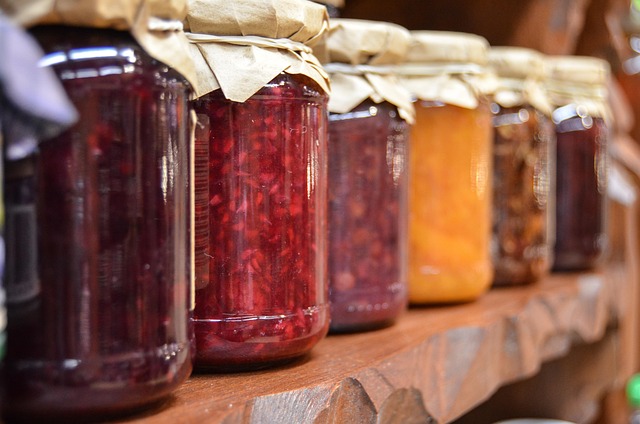 Caution
 Jam
Veterinary and pet-nutrition sources generally describe jam as non-toxic to dogs, but note concerns related to high sugar content and the possible presence of toxic ingredients such as xylitol or grape-based fruits.
Read full guide →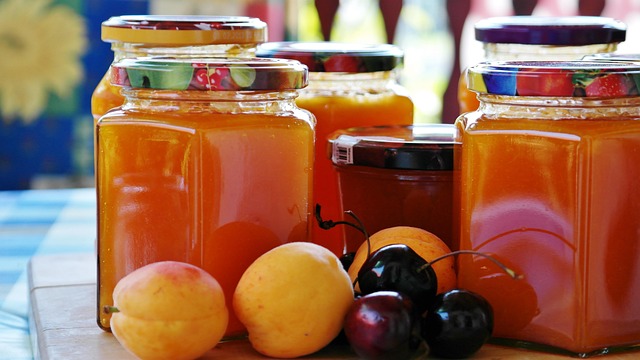 Caution
 Jelly
Veterinary and pet-nutrition sources generally describe jelly as non-toxic to dogs, but highlight risks related to very high sugar content and the possible presence of toxic ingredients such as xylitol or grape-derived products.
Read full guide →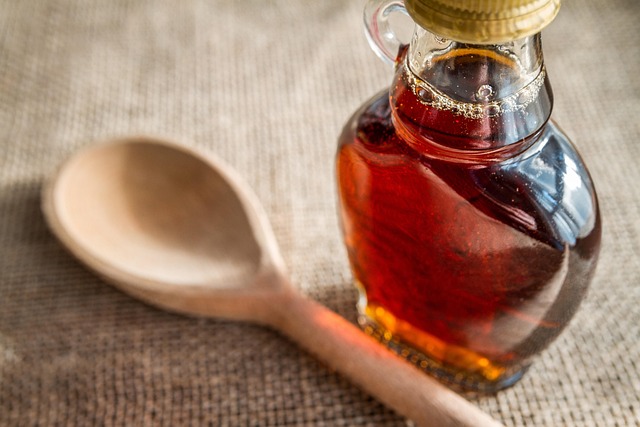 Caution
 Maple Syrup
Veterinary and pet-nutrition sources generally describe maple syrup as non-toxic to dogs, but highlight concerns related to very high sugar content and the risk from artificial sweeteners in imitation syrups.
Read full guide →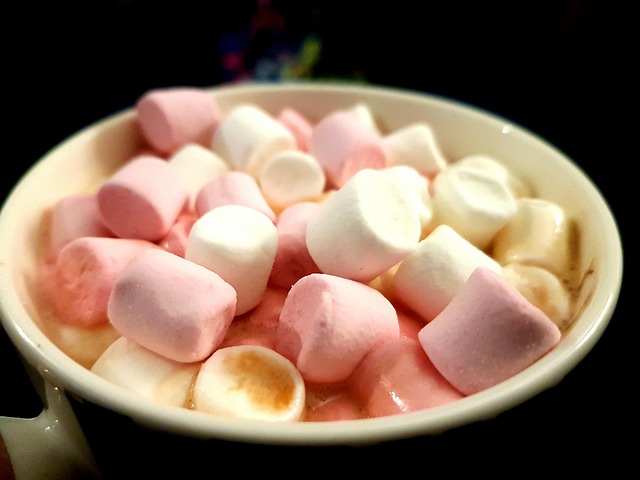 Caution
 Marshmallows
Veterinary and pet-nutrition sources describe marshmallows as non-toxic to dogs, but warn about high sugar content and the serious risk posed by xylitol in some sugar-free versions.
Read full guide → Toxic
Toxic Milk Chocolate
Veterinary toxicology sources classify milk chocolate as toxic to dogs because it contains theobromine and caffeine, compounds that dogs cannot safely metabolise.
Read full guide →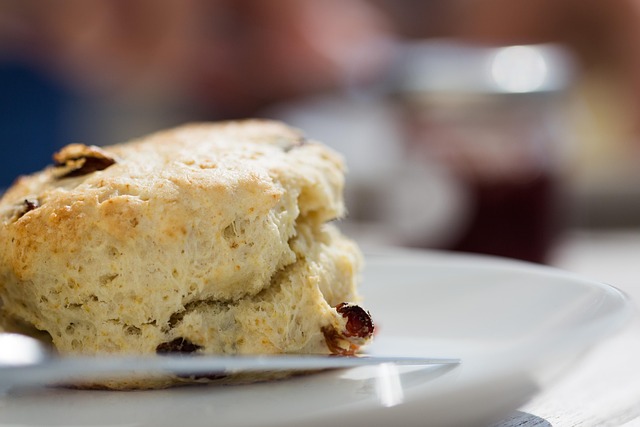 Caution
 Scones
Veterinary and pet-nutrition sources describe baked goods like scones as not inherently toxic to dogs but highlight risks related to sugar, fat, dairy, and potentially toxic added ingredients such as raisins or chocolate.
Read full guide → Caution
 Whipped Cream
Whipped cream is not considered toxic to dogs, but veterinary sources note concerns related to lactose intolerance, high fat content, and added sugar.
Read full guide →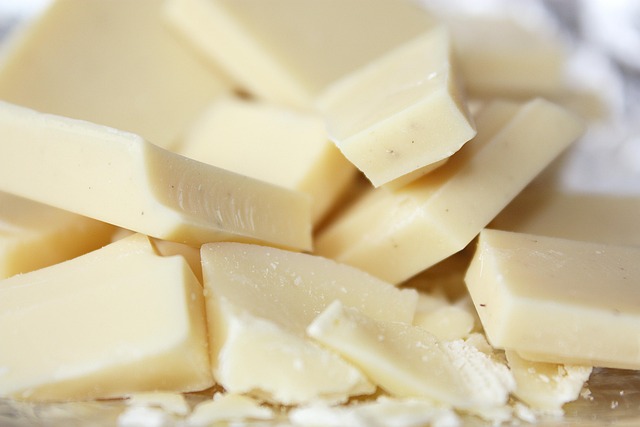 Caution
 White Chocolate
White chocolate is not considered toxic to dogs because it contains little to no theobromine, but veterinary sources note concerns related to high fat and sugar content.
Read full guide →