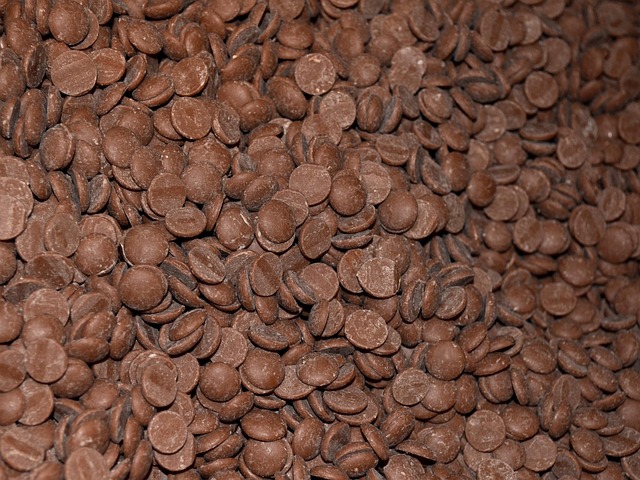
Are Chocolate Chips Safe for Dogs?
Veterinary pet-safety and toxicology sources including the ASPCA, the American Kennel Club, and PetMD consistently classify chocolate chips as toxic to dogs. Chocolate chips are made from cocoa solids, which contain methylxanthines such as theobromine and caffeine.
Dogs metabolise these compounds much more slowly than humans. Veterinary literature emphasises that even small amounts of chocolate products can lead to toxic effects, particularly when the cocoa concentration is high.
Because chocolate chips are small, concentrated, and easy to ingest in quantity, they are treated as a toxic food rather than a food of concern.
Why Chocolate Chips Are Dangerous for Dogs
Main compounds of concern
- Theobromine, the primary toxic compound in chocolate for dogs.
- Caffeine, which contributes to stimulant effects and toxicity.
Concentration and form
Chocolate chips often contain a higher concentration of cocoa solids relative to their size, increasing the risk of exposure.
Preparation differences
Veterinary sources note that toxicity applies regardless of whether chocolate chips are raw, baked into foods, or melted.
Signs Reported When Dogs Are Exposed to Chocolate
Veterinary toxicology sources list the following possible signs:
- Vomiting
- Diarrhoea
- Restlessness or agitation
- Rapid heart rate
More serious signs
- Tremors or seizures
- Elevated body temperature
- Abnormal heart rhythms
- Collapse
Symptoms may appear several hours after ingestion and can persist due to slow metabolism of theobromine.
Ingredients or Additives to Watch For
- ❌ Dark chocolate chips (contain higher theobromine levels)
- ❌ Semi-sweet chocolate chips (commonly used in baking)
- ❌ Chocolate-containing baked goods (may combine chocolate with sugar and fat)
Puppies vs. Adult Dogs
Veterinary sources indicate that puppies may be at increased risk due to smaller body size. Toxic effects apply to dogs of all ages, and sensitivity varies by individual and body weight.
Other Common Variants of Chocolate Chips
Dark Chocolate Chips
Veterinary references consistently associate darker chocolate with higher toxicity.
Milk Chocolate Chips
Milk chocolate contains less theobromine than dark chocolate but is still classified as toxic.
White Chocolate Chips
Veterinary sources note that white chocolate contains minimal theobromine but is still considered unsuitable due to fat and sugar content.
Dog-Friendly Alternatives Mentioned in Pet-Nutrition Sources
- Carob-based treats formulated for dogs
- Commercial dog treats without cocoa or chocolate ingredients
Frequently Asked Questions (FAQ)
This FAQ summarises themes appearing in veterinary pet-care articles.
It is informational only and not a substitute for professional veterinary care.
Are chocolate chips toxic to dogs?
Veterinary sources such as the ASPCA, AKC, and PetMD classify chocolate chips as toxic to dogs.
Why are chocolate chips more dangerous than some other sweets?
Pet-safety references explain that chocolate chips contain concentrated cocoa solids, increasing the amount of theobromine ingested.
Is baked chocolate less dangerous than raw chocolate?
Veterinary toxicology sources state that baking does not remove theobromine or caffeine.
Source Reference
This page compiles information from publicly accessible veterinary and pet-safety resources, including:
-
ASPCA — “People Foods Pets Should Never Eat”
https://www.aspca.org/pet-care/animal-poison-control/people-foods-pets-should-never-eat -
American Kennel Club (AKC) — “Can Dogs Eat Chocolate?”
https://www.akc.org/expert-advice/nutrition/can-dogs-eat-chocolate/ -
PetMD — “Can Dogs Eat Chocolate?”
https://www.petmd.com/dog/nutrition/can-dogs-eat-chocolate
This page is informational only and does not constitute veterinary or medical advice. Readers are encouraged to review the cited sources directly.