Are Biscuits (Cookies) Safe for Dogs?
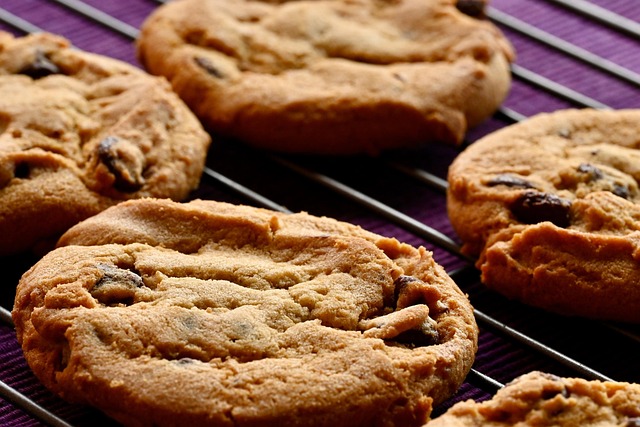
According to the AKC, cookies are not a suitable food for dogs. While plain baked goods are not inherently poisonous, cookies are typically high in sugar and fat and may include ingredients that veterinary organisations classify as unsafe.
Source: https://www.akc.org/expert-advice/nutrition/can-dogs-eat-cookies/
PetMD similarly reports that cookies provide no nutritional benefit for dogs and frequently contain chocolate, raisins, nuts, or artificial sweeteners, all of which may pose risks.
Source: https://www.petmd.com/dog/nutrition/can-dogs-eat-cookies
Across veterinary nutrition guidance, cookies are consistently classified with caution, primarily due to ingredient-related concerns rather than the baked product itself.
Why Biscuits (Cookies) Can Be a Problem for Some Dogs
Main considerations
- High sugar content: May contribute to digestive upset, weight gain, and dental issues.
- High fat content: Linked in veterinary literature to gastrointestinal upset and pancreatitis.
- Unsafe ingredients: Chocolate, raisins, macadamia nuts, and xylitol are commonly found in cookies.
Portion size and dog size
Smaller dogs may be more affected by sugar and fat intake because even small pieces can represent a large relative amount.
Preparation differences
Veterinary sources distinguish between:
- Plain, unsweetened biscuits (still not nutritionally appropriate)
- Sweet cookies (high sugar and fat)
- Sugar-free cookies (may contain xylitol, which is highly toxic)
Signs Reported When Dogs React Poorly to Biscuits (Cookies)
- Vomiting
- Diarrhoea
- Gas
More serious signs
- Tremors or agitation (linked to chocolate ingestion)
- Weakness or collapse (linked to xylitol exposure)
Ingredients or Additives to Watch For
- ❌ Chocolate or cocoa (toxic to dogs)
- ❌ Raisins or currants (classified as toxic)
- ❌ Xylitol (highly toxic sweetener)
- ⚠️ Macadamia nuts (toxic to dogs)
Puppies vs. Adult Dogs
Veterinary sources do not classify cookies differently for puppies and adult dogs. However, puppies may be more sensitive to sugar, fat, and toxic ingredients due to their smaller size.
Other Common Variants of Biscuits (Cookies)
Chocolate Chip Cookies
Contain chocolate, which veterinary toxicology sources classify as toxic to dogs.
Sugar-Free Cookies
May contain xylitol, which is considered extremely dangerous for dogs.
Homemade Cookies
Safety depends entirely on ingredients; many commonly used baking ingredients are unsuitable.
Dog-Friendly Alternatives Mentioned in Pet-Nutrition Sources
- Plain dog biscuits formulated for dogs
- Carrot sticks
- Apple slices (seedless)
- Commercial dog treats
Frequently Asked Questions (FAQ)
This FAQ summarises themes appearing in veterinary pet-care articles.
It is informational only and not a substitute for professional veterinary care.
Are cookies toxic to dogs?
Cookies themselves are not inherently toxic, but many contain ingredients that are.
Why is chocolate such a concern?
Chocolate contains theobromine and caffeine, which dogs metabolise slowly and which can cause serious harm.
Are dog biscuits different from human cookies?
Yes. Dog biscuits are formulated specifically for dogs and do not include toxic ingredients.
Source Reference
This page compiles information from publicly accessible veterinary and pet-safety resources, including:
-
AKC — “Can Dogs Eat Cookies?”
https://www.akc.org/expert-advice/nutrition/can-dogs-eat-cookies/ -
PetMD — “Can Dogs Eat Cookies?”
https://www.petmd.com/dog/nutrition/can-dogs-eat-cookies
This page is informational only and does not constitute veterinary or medical advice. Readers are encouraged to review these sources directly.