Are Scones Safe for Dogs?
According to veterinary and pet-nutrition sources including the American Kennel Club and PetMD, plain baked goods are not inherently toxic to dogs. However, scones are rarely plain and are typically made with ingredients that raise concerns in veterinary guidance.
Veterinary literature generally classifies foods like scones as a food of caution due to their nutritional composition and the frequent inclusion of unsafe add-ins.
Why Scones Can Be a Problem for Some Dogs
Sugar and refined carbohydrates
Veterinary nutrition articles frequently note that scones are high in sugar and refined flour, which provide little nutritional value and may contribute to digestive upset.
Fat and dairy content
Pet-nutrition sources highlight that scones often contain butter, cream, or milk, which can cause gastrointestinal discomfort in dogs sensitive to fat or lactose.
Added ingredients
Veterinary toxicology references emphasise that many scones include raisins, currants, chocolate, or nuts, some of which are classified as toxic to dogs.
Signs Reported When Dogs React Poorly to Scones
Veterinary sources describe the following possible signs:
- Vomiting
- Diarrhoea
- Abdominal discomfort
More serious signs
- Lethargy
- Signs associated with ingestion of toxic add-ins such as raisins or chocolate
Ingredients or Additives of Particular Concern
Veterinary and pet-safety sources consistently identify the following risks in scones:
- ❌ Raisins or currants — toxic to dogs and associated with kidney failure
- ❌ Chocolate — toxic to dogs
- ❌ High sugar content — associated with digestive upset
- ❌ Butter or cream — high fat and lactose content
- ⚠️ Nuts — some varieties are toxic or high risk
Puppies vs. Adult Dogs
Veterinary sources indicate that puppies may be more sensitive to sugar, fat, and dairy due to developing digestive systems. Toxic ingredients such as raisins pose risks to dogs of all ages.
Other Common Variants of Scones
Plain scones
Veterinary literature treats plain scones as less risky than flavored varieties but still nutritionally unsuitable.
Fruit scones
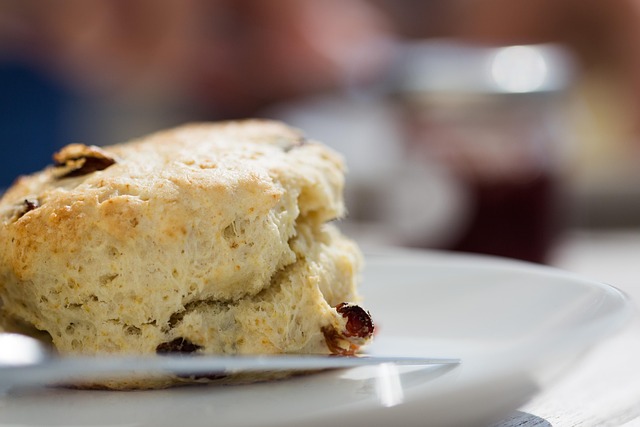
Pet-safety sources identify fruit scones as higher risk due to raisins or currants.
Chocolate scones
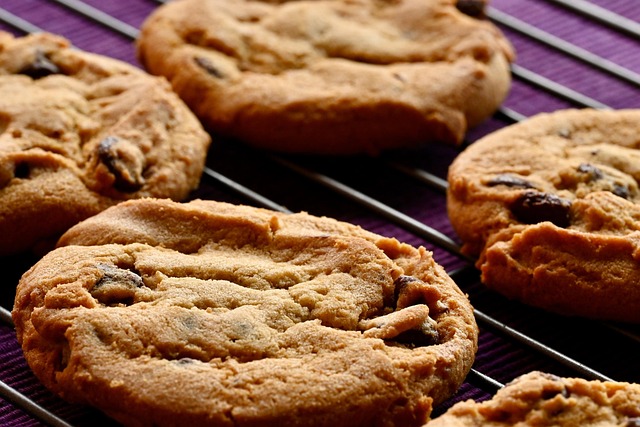
Veterinary sources classify chocolate-containing baked goods as unsafe due to chocolate toxicity.
Dog-Friendly Alternatives Mentioned in Pet-Safety Sources
Veterinary and pet-nutrition articles commonly reference the following as alternatives discussed in canine diets:
- Plain foods without sugar or seasoning
- Commercial dog treats
- Foods formulated specifically for dogs
Frequently Asked Questions (FAQ)
This FAQ summarises themes appearing in veterinary pet-nutrition and toxicology literature.
It is informational only and not a substitute for professional veterinary care.
Are scones toxic to dogs?
Veterinary sources do not classify scones themselves as toxic, but many scones contain ingredients that are toxic or harmful to dogs.
Why are raisins such a concern?
Pet-safety organisations consistently warn that raisins can cause acute kidney failure in dogs.
Are plain scones safer than flavored ones?
Veterinary literature notes that plain scones lack some toxic add-ins, but sugar, fat, and dairy still pose concerns.
Source Reference
This page compiles information from publicly accessible veterinary and pet-safety resources, including:
-
American Kennel Club (AKC) — “Can Dogs Eat Bread?”
https://www.akc.org/expert-advice/nutrition/can-dogs-eat-bread/ -
PetMD — “Can Dogs Eat Bread?”
https://www.petmd.com/dog/nutrition/can-dogs-eat-bread -
ASPCA Animal Poison Control — “People Foods to Avoid Feeding Your Pets”
https://www.aspca.org/pet-care/animal-poison-control/people-foods-avoid-feeding-your-pets
This page is informational only and does not constitute veterinary or medical advice. Readers are encouraged to review these sources directly.