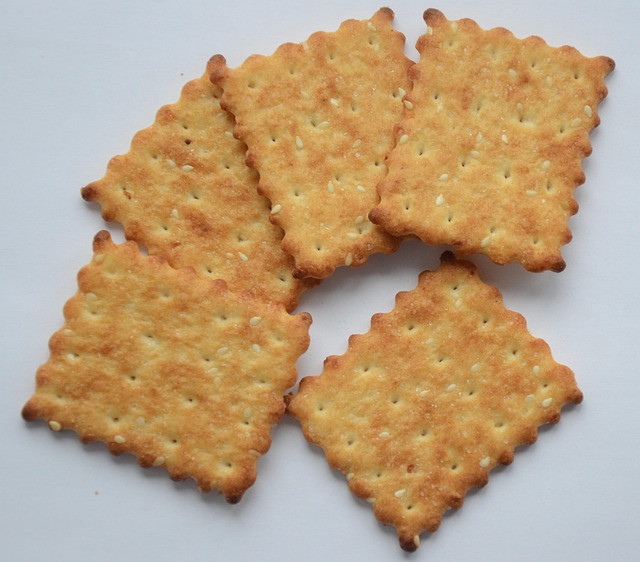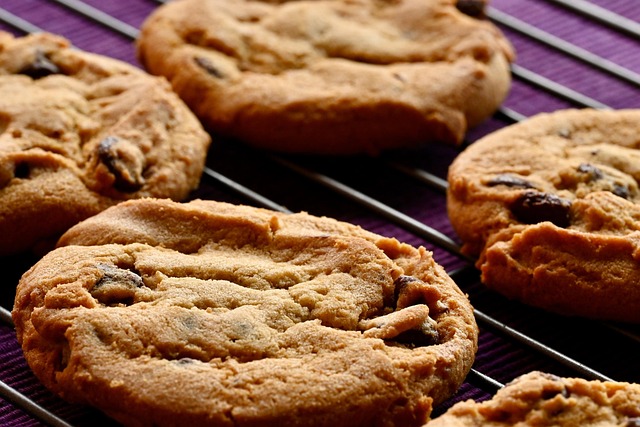
Are Cookies Safe for Dogs?
Veterinary pet-care sources including the American Kennel Club and PetMD explain that cookies are not inherently a single toxic food, but they are commonly unsuitable for dogs. This is because cookies are typically made with ingredients that are either harmful or nutritionally inappropriate for dogs.
Veterinary literature consistently places cookies in a caution category. The overall risk depends heavily on the recipe and ingredients rather than on cookies as a general concept.
Across authoritative sources, cookies are discussed as a food that often combines multiple concerns in one item.
Why Cookies Can Be a Problem for Some Dogs
Main factors of concern
- Chocolate, commonly used in cookies and classified as toxic to dogs by veterinary toxicology sources.
- Xylitol, an artificial sweetener used in some baked goods and classified as toxic to dogs.
- Raisins, which veterinary sources associate with kidney failure in dogs.
- High sugar and fat content, frequently linked to digestive upset and weight-related concerns.
Portion size and dog size
Veterinary articles note that small dogs are particularly vulnerable to ingredient toxicity due to lower body weight, but rich foods can cause problems in dogs of all sizes.
Preparation differences
Veterinary sources distinguish between plain baked goods and cookies containing chocolate, nuts, dried fruit, or sugar substitutes, with added ingredients significantly increasing risk.
Signs Reported When Dogs React Poorly to Cookies
Veterinary sources commonly associate cookie ingestion with:
- Diarrhoea
- Vomiting
- Abdominal discomfort
More serious signs
- Tremors or seizures (linked to chocolate exposure)
- Weakness or collapse (associated with xylitol ingestion)
- Signs of kidney failure (linked to raisins)
Ingredients or Additives to Watch For
- ❌ Chocolate or cocoa
- ❌ Xylitol (sometimes listed as birch sugar)
- ❌ Raisins or currants
- ⚠️ Nuts (some nuts are toxic or difficult to digest)
- ⚠️ High fat ingredients (butter, oils, shortening)
Puppies vs. Adult Dogs
Veterinary sources indicate that puppies may be at higher risk due to smaller body size and developing digestive systems. Ingredient-related risks apply to dogs of all ages.
Other Common Variants of Cookies
Chocolate Chip Cookies
Veterinary references consistently classify these as unsafe due to chocolate content.
Sugar-Free Cookies
Veterinary sources highlight xylitol as a major concern in sugar-free baked goods.
Homemade Cookies
Veterinary literature notes that homemade cookies may still contain sugar, butter, or other unsuitable ingredients.
Dog-Friendly Alternatives Mentioned in Pet-Nutrition Sources
- Commercial dog treats formulated for canine diets
- Plain fruit without seeds or pits
- Plain vegetables such as carrots
Frequently Asked Questions (FAQ)
This FAQ summarises themes appearing in veterinary pet-care articles.
It is informational only and not a substitute for professional veterinary care.
Are cookies toxic to dogs?
Veterinary sources do not classify all cookies as toxic, but they highlight frequent ingredient-related dangers.
Why are chocolate and xylitol such a concern in cookies?
Pet-safety organisations classify chocolate and xylitol as toxic to dogs, and both are common cookie ingredients.
Are plain cookies safer than flavoured cookies?
Veterinary articles note that plain cookies remove some toxic ingredient risks but still contain high sugar and fat levels.
Source Reference
This page compiles information from publicly accessible veterinary and pet-safety resources, including:
-
American Kennel Club (AKC) — “Can Dogs Eat Cookies?”
https://www.akc.org/expert-advice/nutrition/can-dogs-eat-cookies/ -
PetMD — “Can Dogs Eat Cookies?”
https://www.petmd.com/dog/nutrition/can-dogs-eat-cookies -
ASPCA — “People Foods Pets Should Never Eat”
https://www.aspca.org/pet-care/animal-poison-control/people-foods-pets-should-never-eat
This page is informational only and does not constitute veterinary or medical advice. Readers are encouraged to review the cited sources directly.