Are Oats Safe for Dogs?
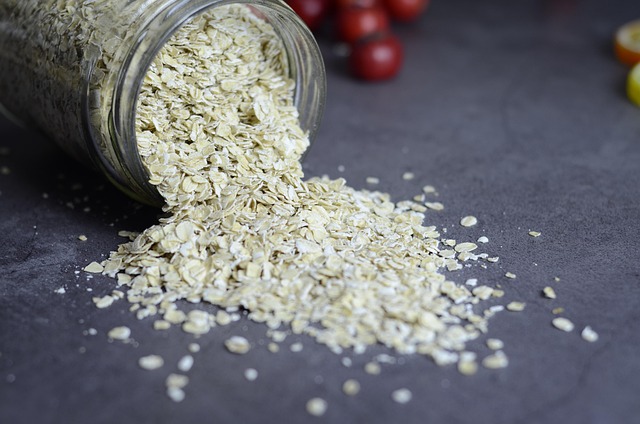
According to veterinary and pet-nutrition sources including the American Kennel Club, PetMD, and VCA Hospitals, plain oats are considered safe for dogs. These sources commonly describe oats as a grain that is not toxic and is generally well tolerated when presented in a simple form.
Veterinary literature often contrasts plain oats with processed or flavored oat products. The consensus across pet-nutrition references is that oats themselves are not the primary concern; rather, issues arise when oats are combined with sweeteners, salts, or other additives.
Why Oats Are Generally Considered Safe
Natural grain composition
Veterinary nutrition sources describe oats as a grain that contains fiber and carbohydrates and does not appear on toxic food lists for dogs.
Digestive tolerance
Pet-nutrition articles frequently note that oats are often discussed as an alternative grain in situations where wheat sensitivity is a consideration, although individual tolerance can vary.
Processing differences
Plain oats are treated differently in veterinary literature than flavored or instant oat products, which are commonly associated with added ingredients.
Signs Reported When Dogs React Poorly to Oats
Veterinary sources indicate that reactions to oats are uncommon but may include:
- Mild digestive upset
- Loose stools
These signs are generally discussed in the context of dietary sensitivity rather than toxicity.
Ingredients or Additives to Watch For
Veterinary and pet-nutrition sources consistently distinguish plain oats from oat-based products that include additives:
- ❌ Added sugar or sweeteners — frequently noted in flavored oatmeal products
- ❌ Salt (sodium) — commonly present in instant or packaged varieties
- ⚠️ Flavorings or spices — not typically discussed as suitable for dogs
Puppies vs. Adult Dogs
Veterinary nutrition sources do not generally differentiate between puppies and adult dogs with respect to oats. Digestive sensitivity may vary by age, but oats themselves are not listed as age-specific concerns.
Other Common Variants of Oats
Oatmeal
Pet-nutrition articles commonly discuss oatmeal alongside oats, noting similar considerations regarding additives and processing.
Instant or flavored oats
Veterinary sources consistently associate instant or flavored oat products with higher levels of sugar and salt, which are highlighted as the main concerns.
Dog-Friendly Alternatives Mentioned in Pet-Nutrition Sources
Veterinary and pet-nutrition articles often reference the following grains or foods as comparable options:
- Rice
- Barley
- Plain cooked vegetables
- Commercial dog foods containing grains
Frequently Asked Questions (FAQ)
This FAQ summarises themes appearing in veterinary pet-nutrition articles.
It is informational only and not a substitute for professional veterinary care.
Are oats toxic to dogs?
Veterinary sources do not list oats as toxic. Plain oats are widely described as safe.
Is oatmeal different from oats?
Pet-nutrition articles generally treat oats and oatmeal similarly, with the main distinction being whether additional ingredients are present.
Do oats cause allergies in dogs?
Veterinary literature notes that grain sensitivities vary by individual dog, but oats are not commonly identified as a major allergen.
Source Reference
This page compiles information from publicly accessible veterinary and pet-nutrition resources, including:
-
American Kennel Club (AKC) — “Can Dogs Eat Oatmeal?”
https://www.akc.org/expert-advice/nutrition/can-dogs-eat-oatmeal/ -
PetMD — “Can Dogs Eat Oatmeal?”
https://www.petmd.com/dog/nutrition/can-dogs-eat-oatmeal -
VCA Hospitals — “Grains in Dog Food”
https://vcahospitals.com/know-your-pet/grains-in-dog-food
This page is informational only and does not constitute veterinary or medical advice. Readers are encouraged to review these sources directly.