Is Barbecue Sauce Safe for Dogs?
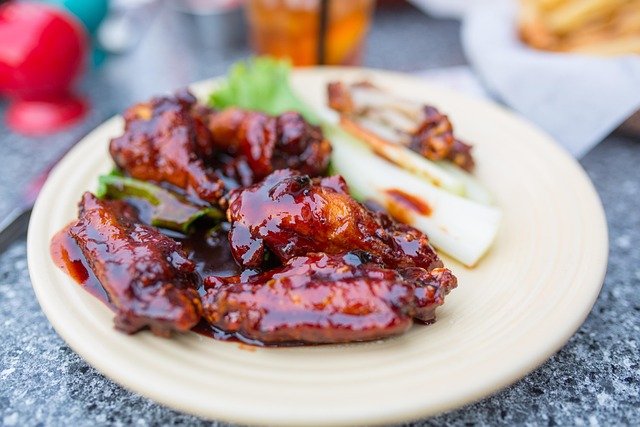
According to the AKC, barbecue sauce is not a safe food for dogs. While it is not a single toxic substance on its own, barbecue sauce typically contains multiple ingredients that veterinary organisations classify as unsuitable or harmful to dogs.
Source: https://www.akc.org/expert-advice/nutrition/can-dogs-eat-bbq-sauce/
PetMD similarly reports that barbecue sauce is inappropriate for dogs because of its seasoning profile. Ingredients such as onion and garlic powders are highlighted as particular concerns.
Source: https://www.petmd.com/dog/nutrition/can-dogs-eat-barbecue-sauce
Across veterinary nutrition guidance, barbecue sauce is consistently discouraged due to ingredient-related risks rather than accidental toxicity from small tastes.
Why Barbecue Sauce Can Be a Problem for Some Dogs
Main considerations
- Onion and garlic: Common ingredients and classified as toxic to dogs by veterinary toxicology sources.
- High sugar content: May contribute to digestive upset and metabolic concerns.
- Salt and spices: Excess sodium and spicy ingredients may irritate the gastrointestinal tract.
Portion size and dog size
Smaller dogs may be more affected by even small amounts of barbecue sauce because the concentration of seasonings represents a larger relative intake.
Preparation differences
Veterinary sources distinguish between:
- Commercial barbecue sauces (typically high in sugar, salt, and seasonings)
- Homemade sauces (often still contain onion, garlic, or spices)
- Sugar-free sauces (may contain xylitol, which is highly toxic to dogs)
Signs Reported When Dogs React Poorly to Barbecue Sauce
- Vomiting
- Diarrhoea
- Drooling
- Abdominal discomfort
More serious signs
- Lethargy
- Signs associated with onion or garlic exposure, as described in veterinary toxicology references
Ingredients or Additives to Watch For
- ❌ Onion or garlic powder
- ❌ Added sugar or molasses
- ❌ High salt content
- ⚠️ Sugar-free sweeteners (xylitol)
Puppies vs. Adult Dogs
Veterinary sources do not classify barbecue sauce differently for puppies and adult dogs. However, puppies may be more sensitive to digestive irritation and toxic ingredients due to their smaller size.
Other Common Variants of Barbecue Sauce
Sweet Barbecue Sauce
Often higher in sugar and molasses, increasing digestive concerns.
Spicy Barbecue Sauce
Contains chilli or spices that may cause irritation.
Sugar-Free Barbecue Sauce
May contain xylitol, which is classified as extremely dangerous for dogs.
Dog-Friendly Alternatives Mentioned in Pet-Nutrition Sources
- Plain cooked meat (unseasoned)
- Plain cooked vegetables
- Commercial dog-safe gravies or toppers
- Commercial dog treats
Frequently Asked Questions (FAQ)
This FAQ summarises themes appearing in veterinary pet-care articles.
It is informational only and not a substitute for professional veterinary care.
Is barbecue sauce toxic to dogs?
Barbecue sauce is not a single toxic substance, but it commonly contains ingredients that are toxic or unsuitable for dogs.
Why are onion and garlic a concern?
Veterinary organisations classify onion and garlic as toxic because they can damage red blood cells.
What if a dog licks barbecue sauce?
A small accidental lick is unlikely to cause severe poisoning, but barbecue sauce is still considered unsuitable.
Source Reference
This page compiles information from publicly accessible veterinary and pet-safety resources, including:
-
AKC — “Can Dogs Eat BBQ Sauce?”
https://www.akc.org/expert-advice/nutrition/can-dogs-eat-bbq-sauce/ -
PetMD — “Can Dogs Eat Barbecue Sauce?”
https://www.petmd.com/dog/nutrition/can-dogs-eat-barbecue-sauce
This page is informational only and does not constitute veterinary or medical advice. Readers are encouraged to review these sources directly.