Is Hummus Safe for Dogs?
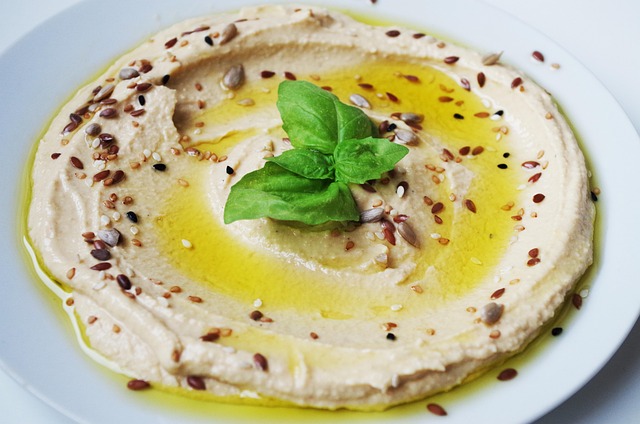
Hummus is not safe to give dogs deliberately. The concern is straightforward: garlic is a standard ingredient in hummus, and garlic is a genuine veterinary toxin — not merely an irritant — that causes oxidative damage to red blood cells. The ASPCA, Pet Poison Helpline, VCA Hospitals, and the Merck Veterinary Manual all classify it as toxic to dogs.
The calibration matters here, as it does for the sister allium-led pages — pesto and marinara sauce:
- A lick off the floor or a smear from a plate: unlikely to be an acute crisis for a healthy medium or large dog. The garlic in that quantity is a small fraction of the dose associated with acute toxicity.
- A significant portion of a container: a meaningful allium load that warrants a vet call.
- Regular feeding — hummus on food, letting the dog clean the plate: a genuine cumulative risk, even when no individual serving seems significant.
Garlic — the Lead Concern
Garlic belongs to the allium family. Its toxic mechanism — oxidative damage to red blood cell membranes, Heinz body formation, haemolytic anaemia — is the same hazard covered in detail on the pesto page, which has the full mechanism explanation, breed sensitivity notes, and the delayed-onset picture. Key facts in brief:
- All forms retain full toxicity. Raw, cooked, dehydrated, and powdered garlic are all equally toxic. The cooking process that produces hummus does not neutralise the hazard.
- Onset is delayed. Clinical signs typically appear 3–5 days after significant allium ingestion. The Merck Veterinary Manual notes that RBC damage begins within 24 hours of ingestion, but haemolysis typically takes several days to produce visible signs. A dog that seems normal the day after eating hummus is not necessarily fine.
- The damage is cumulative. Each garlic exposure adds to the oxidative burden from previous exposures.
How Much Garlic Is in a Serving?
A standard hummus recipe uses 2–4 garlic cloves per batch of approximately 8 two-tablespoon servings. Using 3.5 g as the weight of a medium clove:
| Recipe | Garlic per 2-tbsp serving | % of lower threshold — 10 lb dog | % of lower threshold — 20 lb dog |
|---|---|---|---|
| Light (2 cloves/batch) | ~0.9 g | ~6% | ~3% |
| Standard (3 cloves/batch) | ~1.3 g | ~10% | ~5% |
| Heavy (4 cloves/batch) | ~1.75 g | ~13% | ~6% |
Derived garlic threshold: ~3–10 g/kg body weight (from Merck: onion 15–30 g/kg ÷ garlic’s 3–5× greater potency). Lower bound for a 10 lb (4.5 kg) dog: approximately 13.5 g fresh garlic equivalent — around 4 medium cloves.
A single 2-tablespoon serving is well below acute toxicity for any healthy adult dog. The picture changes at larger quantities. A dog that eats a full 10-ounce container of hummus consumes roughly 13–17 g of garlic equivalent — at or approaching the lower end of the acute threshold for a 10 lb dog. That is the scenario that warrants a prompt vet call.
The Commercial Garlic-Powder Caveat
Some commercial hummus products use garlic powder in addition to or instead of fresh garlic. VCA Hospitals notes that one teaspoon of garlic powder is equivalent to approximately eight fresh cloves — making powdered forms significantly more concentrated per gram. A commercial product using garlic powder delivers a higher and harder-to-estimate allium dose per serving than a fresh-garlic calculation suggests. The label will name garlic powder if present; the amount used won’t be specified.
Flavoured Varieties and Onion
Traditional hummus is garlic-only — onions are not a standard ingredient. Flavoured commercial varieties — caramelised onion, roasted garlic and onion, jalapeño — may add onion or onion powder, which would add a parallel allium hazard on top of the garlic. The full ingredient list is worth a glance for any hummus your dog might encounter.
Fat Content — the Secondary Concern
Tahini and olive oil together make hummus significantly fat-dense. Tahini is ground sesame seeds and runs roughly 50% fat by weight; olive oil adds further fat on top. No major veterinary source classifies plain sesame seeds or olive oil as toxic to dogs, but the combined fat load in a realistic hummus serving is meaningful — and in susceptible dogs, a sudden high-fat meal is a trigger for acute pancreatitis, which can range from uncomfortable GI distress to a serious condition requiring veterinary care.
For dogs with a history of pancreatitis, or breeds prone to it, the fat picture compounds the allium concern. Even if the garlic dose in a small serving were negligible, the fat load from eating a significant quantity of hummus would independently warrant monitoring.
Chickpeas
No major veterinary source classifies plain cooked chickpeas as a concern for dogs. They are the base ingredient in hummus and not the source of the hazard. In large amounts, the high fibre content can cause gas and loose stools, but at typical hummus-serving quantities this is not a meaningful concern.
Lemon Juice
The ASPCA classifies lemon as toxic to dogs — the toxic compounds identified are essential oils and psoralens, with clinical signs including vomiting, diarrhoea, depression, and potential dermatitis. This classification is worth acknowledging clearly.
The important distinction for hummus is where those compounds are concentrated: psoralens and essential oils are found in the rind, peel, pith, and leaves — not the juice. Lemon juice, which is what hummus uses, does not carry the same psoralen concern. At hummus quantities, lemon juice is a source of citric acid acidity that may contribute mildly to GI upset in sensitive dogs, but this is a different and milder profile than whole-lemon or rind exposure. For the full picture on lemons and dogs — including the rind, plant, and psoralen hazard — see the lemon page.
Salt
Commercial hummus typically contains approximately 100–130 mg of sodium per 2-tablespoon serving, based on typical product labelling — lower than many other condiments. For a healthy dog, this is a minor concern at small quantities. For dogs on a vet-prescribed low-sodium diet, it is worth noting. See the salt page for sodium thresholds and context.
Symptoms to Watch For
Allium exposure — haematological, delayed:
- Onset typically 3–5 days after ingestion; dog may appear normal initially
- Lethargy, weakness, reduced appetite
- Pale, white, or yellowish gums
- Rapid heart rate, laboured breathing
- Dark, red-tinged, or brownish urine
Fat load — GI and pancreatitis:
- Vomiting, diarrhoea, abdominal discomfort within hours of eating
- Loss of appetite, hunched posture
- If severe: persistent vomiting, signs of pain — contact your vet
If alliums were present in meaningful amounts, contact your vet — do not wait for symptoms.
What To Do If Your Dog Ate Hummus
Dog licked hummus off the floor or counter: Low concern for a healthy adult dog at a small quantity. Make water available and watch for symptoms over the following week. No vet call needed unless your dog is small, a puppy, or already anaemic.
Dog ate a few tablespoons: For a medium or large dog, the allium load remains relatively modest. Monitor for allium symptoms over the following week and for GI signs from the fat content in the hours after. If your dog is small (under 10 lb) or has a history of pancreatitis: call your vet.
Dog ate a significant portion of a container: Call your vet. A 10-ounce container delivers a garlic load that approaches the lower acute threshold for a small dog, and the fat content of that quantity is a real pancreatitis risk for susceptible dogs. Allium onset is delayed 3–5 days — don’t wait for symptoms before calling.
Commercial hummus with garlic powder: If the label lists garlic powder rather than fresh garlic, treat the exposure as higher than the fresh-garlic dose math suggests, and err toward calling your vet for any significant quantity.
Hummus as a regular habit: Stop it. Cumulative allium exposure from repeated small doses is a genuine concern, and the fat load from regular hummus feeding compounds this.
Frequently Asked Questions
This FAQ summarises general veterinary guidance. It’s informational only and not a substitute for advice from your own vet, who knows your dog.
My dog ate a spoonful of hummus — what should I do?
For a healthy medium or large adult dog, a single spoonful is a low-concern exposure. The garlic content at that quantity is well below acute toxicity thresholds. Monitor for allium symptoms over the following week (especially lethargy, pale gums, dark urine) and for GI upset from the fat content in the short term. If your dog is small or has health conditions, a call to your vet is worthwhile.
Is plain hummus (store-bought, classic flavour) safer than flavoured varieties?
Classic hummus still contains garlic — that concern is present in every standard formulation. Flavoured varieties that add onion or onion powder carry an additional allium hazard. Classic is the lower-risk option of the two; neither is appropriate to feed deliberately.
Can I make dog-safe hummus without garlic?
Garlic-free hummus made from plain chickpeas, tahini, lemon juice, olive oil, and salt would remove the primary toxicological concern. The remaining fat content from tahini and olive oil means it should still be a small occasional treat rather than a dietary staple — but the allium hazard would be eliminated. No commercial “dog-safe hummus” product is listed here as reviewed and confirmed.
Why do some sites say hummus is toxic and others say a small amount is fine?
Both framings capture part of the picture. “Toxic” accurately describes garlic’s veterinary classification — it is a genuine toxin, not merely an irritant, and any allium exposure contributes to cumulative RBC damage. “A small amount is fine” reflects the dose reality: a lick of hummus in a healthy medium dog is nowhere near the acute threshold. The problem with the binary toxic/safe framing is that it doesn’t help owners calibrate — which is why dose, portion size, and cumulative exposure are the variables that matter.
Does cooking the chickpeas or blending the hummus change the garlic toxicity?
No. The Merck Veterinary Manual is explicit that all forms of garlic — raw, cooked, dehydrated, and powdered — retain full allium toxicity. Processing does not neutralise the compounds responsible for oxidative RBC damage.
About This Guide
This guide was researched and written by Claire Donnelly for Is It Safe For My Dog?. We are not veterinarians. Each guide is compiled from published, publicly accessible veterinary and toxicology sources — for this page, the Merck Veterinary Manual, the ASPCA, the Pet Poison Helpline, and VCA Hospitals — and cross-checked before publication. This is general information to help you understand the risk; it does not replace a consultation with your vet.
Sources for the figures on this page
- Merck Veterinary Manual — Garlic and Onion (Allium spp.) Toxicosis in Animals (toxic dose: onion 15–30 g/kg body weight; garlic 3–5× more potent; all forms — raw, cooked, dehydrated, powdered — retain full toxicity; RBC oxidative damage begins within 24 hours; clinical haemolysis onset 3–5 days after exposure; mechanism: Heinz body formation, haemolytic anaemia; applied here for dose calibration and the per-serving garlic table)
- ASPCA Animal Poison Control — Garlic (classified Toxic to dogs; toxic principle: N-propyl disulfide; clinical signs: vomiting, breakdown of red blood cells — haemolytic anaemia, Heinz body anaemia — blood in urine, weakness, high heart rate, panting)
- Pet Poison Helpline — Garlic (garlic classified as belonging to the Allium family, all members poisonous to dogs, cats, and livestock; mechanism: oxidative damage to red blood cells leading to anaemia and GI distress; breed sensitivity noted for Akitas and Shiba Inus)
- VCA Hospitals — Onion, Garlic, Chive, and Leek Toxicity in Dogs (garlic identified as most toxic of the alliums; garlic powder potency: 1 tsp = approximately 8 fresh cloves; oxidative RBC damage mechanism; clinical onset may take several days; full clinical sign list including GI and haematological signs; kidney damage noted in severe cases)
- Garlic per-serving estimates — based on typical homemade hummus recipe proportions (2–4 cloves per 8-serving batch); clove weight estimate of 3.5 g per medium clove; dose thresholds derived from Merck figures; no single commercial product URL confirmed at time of writing
- Sodium figure — approximately 100–130 mg per 2-tablespoon serving for commercial hummus: based on typical product labelling across major brands; no single manufacturer URL confirmed at time of writing
This page is informational only and does not constitute veterinary or medical advice.