Affiliate disclosure: This guide contains affiliate links. If you purchase via these links, we may earn a small commission at no extra cost to you. This never affects our safety assessments — see our Editorial Standards for how we work.
Recommendations on this page
- For preparedness: ARCA Pet First Aid Kit — a small investment for unexpected pet emergencies. View on Amazon →
- Further reading: The Forever Dog by Habib & Becker — a well-regarded reference on canine nutrition and longevity. View on Amazon →
Are Lemons Safe for Dogs?
Lemon is one of those foods where the label and the reality diverge, and the clearest guide comes from the source everyone cites. The ASPCA classifies lemon as toxic to dogs — but its own entry adds the sentence that reframes the whole question:
“Fruit is edible, skins and plant material can cause problems.”
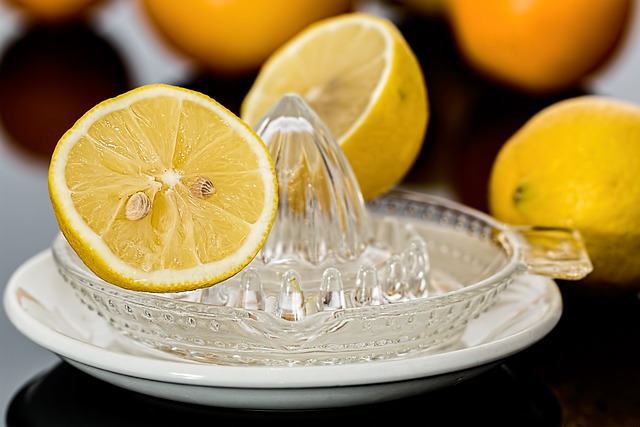
That’s the calibration in the ASPCA’s own words. The lemon flesh is not a systemic poison; the skin and plant material — peel, pith, rind, leaves — are where the actual concern concentrates. The ASPCA lists the toxic principles as essential oils and psoralens, with clinical signs of vomiting, diarrhoea, depression, and potential dermatitis.
So the honest picture:
- Flesh and juice are mainly a source of citric acid, which can cause stomach upset in meaningful quantities but isn’t a systemic toxin. Most dogs also dislike the sourness and self-limit.
- Peel, pith, and rind concentrate the psoralens and aromatic oils (limonene, linalool) — and a swallowed rind adds a choking and gastrointestinal-obstruction risk on top.
- Lemon-flavoured products are a different question entirely — the citrus toxicology doesn’t apply; the concern is sugar (or xylitol).
This is the same “the toxic label overstates the mechanism” pattern the site documents on avocado and oregano. The sour-fruit sibling, lime, has an essentially identical profile.
Citric Acid — the Everyday Concern
Lemon flesh and juice are notably acidic (roughly 5–6% citric acid). In small amounts — a lick of juice, a lick off a plate — this is very unlikely to cause more than nothing at all. In larger amounts, the acidity can irritate a dog’s digestive tract, causing vomiting, drooling, and diarrhoea. PetMD notes that concentrated lemon juice is more irritating than the whole fruit, and that very small dogs, puppies, and dogs with underlying health issues are more susceptible.
This is a dose-dependent GI-irritant concern, not poisoning — the same category as other acidic or irritant foods. It resolves on its own as the stomach settles. The practical upshot: lemon isn’t something to give a dog, but a small accidental taste of flesh or juice is not an emergency.
Peel, Pith, and Rind — Where the Real Concern Is
This is the distinction most “lemons are toxic” content misses, and it’s where the practical guidance lives. The peel, pith, and rind concentrate two things the flesh has far less of:
- Psoralens — photosensitising compounds the ASPCA names as a toxic principle. In the small amounts in flesh they’re a minor concern; in the rind they’re concentrated.
- Aromatic essential oils — the AKC identifies d-limonene and linalool, natural compounds in citrus oil that can cause GI upset and are not something a dog should ingest in quantity.
On top of the chemistry, a swallowed piece of rind is a physical hazard — the AKC notes lemon rinds “could cause gastric obstruction.” For a small dog especially, a wad of peel is a genuine choking and blockage risk independent of any toxin.
Reader scenarios, calibrated:
- Licked lemon juice off a plate, or a drop of juice: very low concern. Watch for brief drooling or a sour-face reaction; no action needed.
- Ate a piece of lemon flesh (a wedge without much rind): low concern. Possible mild GI upset from the acid; monitor, offer water.
- Ate a lemon peel curl from a cocktail garnish, or the rind/skin of a wedge: the scenario that warrants attention. Concentrated psoralens and oils, plus obstruction risk. Note how much and monitor closely; call your vet if the amount was significant or your dog is small.
- Ate a whole lemon, skin and all: real concern — the largest dose of rind compounds plus a meaningful obstruction risk. Contact your vet.
Lemon Essential Oil
As with the culinary herb vs. its oil on the oregano page, lemon essential oil deserves separate, firmer treatment. Citrus essential oils are concentrated sources of d-limonene and linalool, far more potent than anything in the fruit, and are not appropriate for dogs — ingestion can cause more pronounced GI upset and irritation. This fits the broader rule worth carrying: essential oils as a category are best kept away from dogs (tea tree, pennyroyal, pine, cinnamon, and citrus oils among them). A lemon and lemon oil are two very different things where a dog is concerned.
Lemon-Flavoured Products Are a Different Question
Here’s a distinction worth making plainly, because it’s a common source of confusion: the citrus toxicology on this page does not apply to lemon-flavoured products. Lemonade, lemon candy, lemon tarts, lemon-flavoured yogurt, and similar items are flavoured with artificial or highly-processed flavourings that contain essentially no psoralens and none of the rind’s oils. Worrying about psoralens in a lemon sweet is aiming at the wrong target.
The real concerns in lemon-flavoured products are the added ingredients:
- Sugar — lemonade, candies, and desserts are typically high in sugar, which contributes to obesity, dental problems, and GI upset. See sugar.
- Xylitol — some “sugar-free,” “diet,” or “no sugar added” lemon products (and some flavoured drink mixes) use xylitol, which is genuinely, acutely dangerous to dogs. If a lemon-flavoured product is sugar-free, read the label for xylitol (or “birch sugar”) and treat any exposure as an emergency. See xylitol.
- Other additives — fats, dairy, and artificial ingredients in lemon desserts carry their own minor concerns.
So: a lemon-flavoured product is not a citrus-toxin question — it’s a sugar-and-additives question.
Other Citrus
Lemon’s calibration carries across the sour and semi-sour citrus family. Lime is the closest match — the same citric acid, the same peel-concentrated psoralens and oils, the same “flesh edible, skin the concern” picture. Sweeter citrus like oranges, clementines, and tangerines are lower in acid and generally better tolerated in small amounts of flesh, though the peels carry the same oils; grapefruit sits closer to lemon and lime. Across all of them, the peel is the part to keep away from a dog.
Symptoms to Watch For
From citric acid / flesh or juice in quantity (GI irritation):
- Drooling, vomiting, diarrhoea
- Mild abdominal discomfort, reduced appetite
- Self-limiting; resolves as the stomach settles
From peel, pith, or rind (psoralens, oils, and obstruction):
- The GI signs above, potentially more pronounced
- Lethargy or depression (an ASPCA-listed sign)
- Skin sensitivity/dermatitis (the photosensitising effect of psoralens) — uncommon but possible
- Signs of obstruction — repeated vomiting, straining, abdominal pain, inability to keep food down: contact your vet promptly
What To Do
Dog licked lemon juice or ate a small piece of flesh: Low concern. Offer water and monitor for brief GI upset. No vet call needed for a healthy adult dog.
Dog ate lemon peel, rind, or a cocktail peel garnish: Note how much. Monitor for GI upset over the next several hours and watch for any signs of obstruction, especially in a small dog. Call your vet if the amount was significant, your dog is small or a puppy, or symptoms develop.
Dog ate a whole lemon (skin and all): Contact your vet — the combination of concentrated rind compounds and obstruction risk warrants it.
Dog got into lemon essential oil: Call your vet — the concentrated oil is a more meaningful exposure than the fruit.
Dog ate a lemon-flavoured product: The citrus toxicology doesn’t apply. Check the label: if it’s sugar-free, look for xylitol and treat any exposure as an emergency (xylitol); otherwise the concern is sugar and additives — monitor for GI upset and don’t make it a habit.
Frequently Asked Questions
This FAQ summarises general veterinary guidance. It’s informational only and not a substitute for advice from your own vet, who knows your dog.
Why does the internet say lemons are toxic to dogs?
Because the ASPCA classifies lemon as toxic — but the same ASPCA entry says something the headlines leave out: “Fruit is edible, skins and plant material can cause problems.” The toxic principles (psoralens and essential oils) are concentrated in the peel and plant material, not the flesh. In the flesh and juice, the practical concern is citric acid causing stomach upset in quantity — an irritant, not a systemic poison. The “toxic” label is accurate for the peel and for large exposures; it overstates the risk of a dog tasting a bit of lemon flesh or juice.
Is lemon juice bad for dogs?
It’s not a poison, but it’s not good for them either. Lemon juice is highly acidic and, in more than a small taste, can cause drooling, vomiting, or diarrhoea — and it’s more concentrated than the whole fruit. Most dogs dislike it and won’t drink much. There’s no reason to give it, but a lick isn’t cause for alarm.
My dog ate a lemon peel — should I worry?
This is the scenario worth taking seriously. The peel concentrates the psoralens and aromatic oils, and a swallowed piece can cause a gastrointestinal obstruction — a real risk in small dogs especially. Note how much was eaten and monitor for GI upset and any signs of obstruction (repeated vomiting, straining, abdominal pain); call your vet if the amount was significant or your dog is small.
Can dogs have lemonade or lemon-flavoured treats?
The lemon part isn’t the issue — flavoured products don’t carry the citrus toxins. The problem is what’s added: sugar (obesity, dental issues) and, in sugar-free versions, potentially xylitol, which is dangerous to dogs. Skip lemonade and lemon sweets, and always check a sugar-free product’s label for xylitol.
Is lime the same as lemon for dogs?
Essentially yes — lime has the same citric acid, the same peel-concentrated psoralens and oils, and the same “flesh edible, skin is the concern” profile. See the lime page; the guidance is the same.
About This Guide
This guide was researched and written by Claire Donnelly for Is It Safe For My Dog?. We are not veterinarians. Each guide is compiled from published, publicly accessible veterinary and toxicology sources — for this page, the ASPCA, the American Kennel Club, and PetMD — and cross-checked before publication. This is general information to help you understand the risk; it does not replace a consultation with your vet.
Sources for the figures on this page
- ASPCA Animal Poison Control — Lemon (classified toxic to dogs, cats, and horses; toxic principles: essential oils and psoralens; clinical signs: vomiting, diarrhea, depression, potential dermatitis; and the key qualifier “fruit is edible, skins and plant material can cause problems” — cited here as the primary anchor for the peel-versus-flesh calibration)
- American Kennel Club — Can Dogs Eat Lemons? (lemon flesh not toxic but lemons not recommended; citric acid causes GI upset; lemon rinds contain psoralen and can cause gastric obstruction; aromatic oils d-limonene and linalool identified as harmful if ingested; sugary lemon products flagged for obesity risk)
- PetMD — Can Dogs Eat Lemons? (dogs should not eat lemons or lemon juice; high acidity irritates the digestive system causing vomiting or diarrhoea; flesh not toxic but peels contain psoralen, limonene, and linalool; concentrated juice more harmful than fruit; very small dogs, puppies, and dogs with underlying health issues more at risk; lemon-flavoured products flagged for added ingredients)
This page is informational only and does not constitute veterinary or medical advice.