Is Oregano Safe for Dogs?
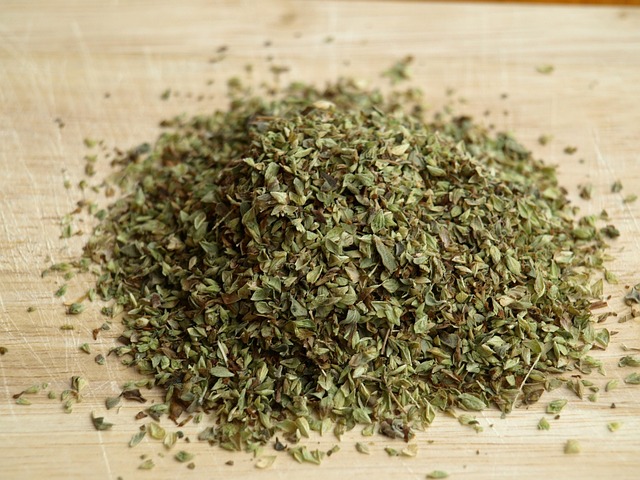
Oregano occupies a spot where the popular label and the real risk diverge. The ASPCA classifies oregano as toxic to dogs — but reading only that word gives the wrong impression. The ASPCA’s own entry lists the toxic principle as a gastrointestinal irritant, with clinical signs of mild vomiting and diarrhoea. That’s a different and far milder category than the serious, systemic toxins the word “toxic” usually brings to mind.
The honest calibration:
- Plain oregano at culinary amounts is low-risk. A pinch of dried or fresh oregano in cooked food is very unlikely to cause a healthy dog any problem, and may cause no reaction at all.
- A dog that eats a large quantity — tipping a jar of dried oregano onto the floor and eating it — can get GI upset (vomiting, diarrhoea) from the irritant effect. Unpleasant, usually self-limiting.
- Oregano essential oil is a separate, real concern — far more concentrated than the herb, and not something to give a dog.
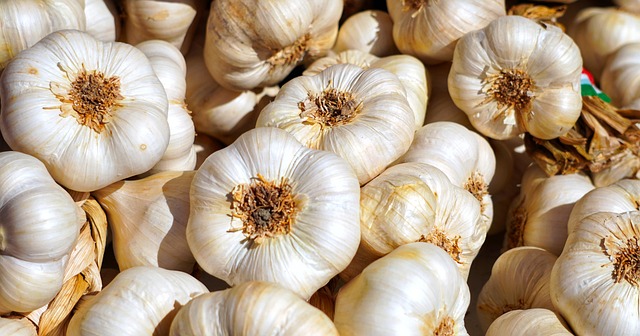
- Seasoning blends are where the real hazard often hides — many contain garlic or onion powder, and those alliums, not the oregano, are the serious concern.
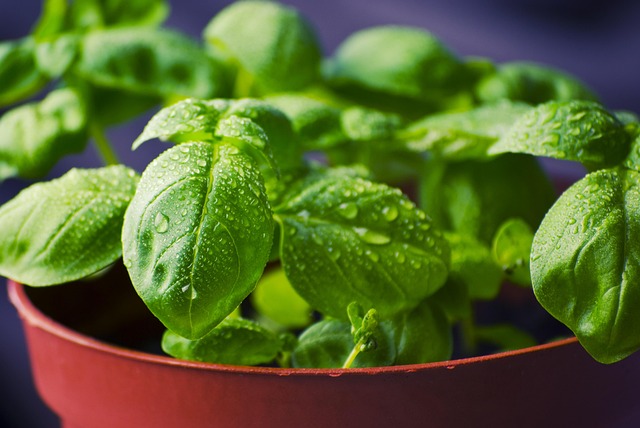
This is the same calibration the site applies on the italian seasoning page, where oregano is one of the herbs in the blend. The other Mediterranean herbs in that family — basil and rosemary — are classified non-toxic; oregano’s “toxic” label reflects the mild GI-irritant mechanism, not a higher order of danger.
What the ASPCA “Toxic” Classification Actually Means
The ASPCA lists oregano as toxic to dogs, cats, and horses, with the toxic principle identified as a gastrointestinal irritant and the clinical signs given as vomiting and diarrhoea. The key point is what that classification does not mean: oregano is not a haematological toxin like garlic or onion, and it doesn’t damage organs at realistic exposures. The “toxic” designation captures that oregano can upset a dog’s stomach if eaten in quantity — not that a taste is dangerous.
In practice, the irritant effect is dose-dependent and self-limiting. At the amounts oregano is actually used in cooking, most dogs have no reaction; the GI upset scenario requires a dog to eat a meaningful amount of the concentrated dried herb directly.
Oregano Oil — the Real Concern
The one form of oregano genuinely worth keeping away from dogs is oregano essential oil. Essential oils concentrate a plant’s aromatic compounds many times over, so oregano oil delivers a far larger dose of the irritant compounds than the herb itself. It can cause more pronounced GI upset and mouth or digestive irritation, and concentrated essential oils are broadly not appropriate to give dogs. If your dog got into oregano oil — as opposed to the culinary herb — that’s the scenario to take seriously and to call your vet about.
This is worth carrying beyond oregano: essential oils as a category are best kept away from dogs. Several — including tea tree, pennyroyal, pine, wintergreen, cinnamon, and citrus oils — are documented to cause toxicity in dogs, and their concentrated nature means small volumes matter. The rule of thumb is that a culinary herb and its essential oil are two very different things where a dog is concerned.
Oregano in Seasoning Blends
Most dogs encounter oregano not on its own but in a blend — pizza seasoning, pasta seasoning, italian seasoning. Here the important question isn’t the oregano at all: it’s whether the blend also contains garlic or onion powder. Those are genuine allium toxins for dogs — they cause oxidative red blood cell damage (Heinz body formation, haemolytic anaemia) with a delayed onset of 3–5 days, and all forms including powders retain full toxicity (Merck Veterinary Manual). If a dog eats food seasoned with a blend containing garlic or onions, treat it as an allium exposure and act on that — the oregano is the least of the concerns. Read the ingredient list on any blend before assuming “oregano” is the whole story.
Symptoms to Watch For
From plain oregano (GI irritant, only likely if a significant amount was eaten):
- Vomiting or diarrhoea
- Mild stomach discomfort, reduced appetite
- Self-limiting; resolves as it clears the gut
From oregano oil (concentrated):
- More pronounced GI upset, mouth or digestive irritation
- Contact your vet if a meaningful amount was ingested
From a blend containing garlic or onion — the serious track:
- Onset delayed 3–5 days; dog may seem normal initially
- Lethargy, weakness, pale or yellowish gums, dark urine
- Contact your vet — see garlic and onions; do not wait for symptoms
What To Do
Dog ate food seasoned with a pinch of oregano: No concern for a healthy dog. Monitor for any mild stomach upset; no action usually needed.
Dog ate a large amount of plain oregano (from the jar): Watch for GI upset over the next several hours, make water available, and contact your vet if vomiting or diarrhoea is severe or persistent.
Dog ingested oregano essential oil: Call your vet — the concentrated oil is a more meaningful exposure than the herb.
Dog ate a seasoning blend with garlic or onion: Treat it as an allium exposure and call your vet, noting how much and which product. This is the scenario that warrants real attention.
Frequently Asked Questions
This FAQ summarises general veterinary guidance. It’s informational only and not a substitute for advice from your own vet, who knows your dog.
Is oregano toxic to dogs?
The ASPCA does classify it as toxic — but the toxic principle is a gastrointestinal irritant, meaning it can cause mild vomiting or diarrhoea if eaten in quantity, not the serious poisoning the word usually implies. A culinary pinch is very unlikely to harm a healthy dog.
Why does the internet say oregano is toxic to dogs?
Because the ASPCA lists it as toxic, and that label gets repeated without the context that its mechanism is mild GI irritation. Oregano isn’t in the same hazard class as genuinely dangerous foods like garlic, onion, or xylitol. The nuance that gets lost: plain oregano in food is low-risk; the things that actually matter are concentrated oregano oil and seasoning blends that contain alliums.
My dog ate a slice of pizza with oregano — should I worry?
The oregano isn’t the concern. Check whether the pizza had garlic or onion (most do), which are the real hazards — see garlic and onions. The oregano itself, at that quantity, is very unlikely to cause more than at most mild stomach upset.
Is oregano oil safe for dogs?
No — treat oregano essential oil differently from the culinary herb. It’s far more concentrated and can cause more significant irritation; it isn’t something to give a dog, and an ingestion warrants a call to your vet. The same caution applies to essential oils generally.
About This Guide
This guide was researched and written by Claire Donnelly for Is It Safe For My Dog?. We are not veterinarians. Each guide is compiled from published, publicly accessible veterinary and toxicology sources — for this page, the ASPCA, the American Kennel Club, and the Merck Veterinary Manual — and cross-checked before publication. This is general information to help you understand the risk; it does not replace a consultation with your vet.
Sources for the figures on this page
- ASPCA Animal Poison Control — Oregano (classified toxic to dogs; toxic principle: gastrointestinal irritant; clinical signs: mild vomiting and diarrhea; applied here as the primary source for oregano’s classification and the calibration that its “toxic” label reflects GI irritation, not systemic toxicity)
- American Kennel Club — Human Foods Dogs Can and Can’t Eat (general framework on herbs, seasonings, and added ingredients; oregano is not named specifically, but the framework guidance applies; cited here as the source for the general seasoning and added-ingredient principles applied on this page)
- Merck Veterinary Manual — Garlic and Onion (Allium spp.) Toxicosis in Animals (allium toxic dose and mechanism: oxidative RBC damage, Heinz body formation, haemolytic anaemia; onset 3–5 days; all forms including powders retain full toxicity; applied here to seasoning blends in which oregano appears alongside garlic or onion powder)
This page is informational only and does not constitute veterinary or medical advice.