Are Capers Safe for Dogs?
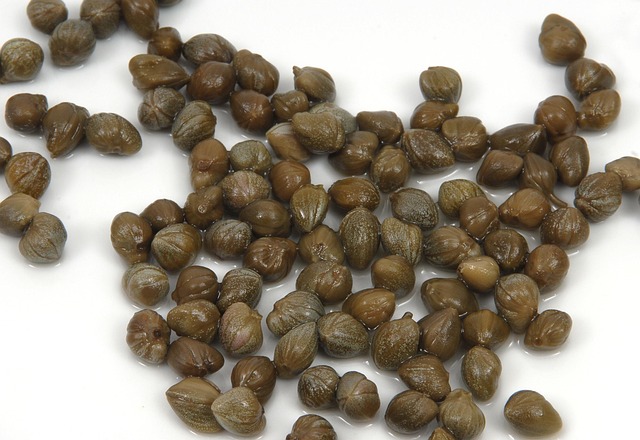
Veterinary pet-nutrition sources including the American Kennel Club and PetMD describe capers as non-toxic to dogs. They are not listed among foods that cause poisoning or systemic toxicity.
However, these sources consistently place capers in a caution category. The concerns discussed are not related to the caper plant itself, but to how capers are typically prepared and preserved.
Across veterinary references, the focus is on sodium content and processing rather than inherent toxicity.
Why Capers Can Be a Problem for Some Dogs
Main factors of concern
- Very high sodium content, as capers are commonly preserved in salt or brine. Veterinary sources frequently associate excess sodium with digestive upset and other health issues in dogs.
Portion size and dog size
Veterinary articles note that tolerance to salt varies between individual dogs, but salty foods are broadly described as unsuitable regardless of dog size.
Preparation differences
Capers are rarely eaten fresh. Veterinary sources consistently highlight that brined or pickled capers raise concerns due to salt rather than the caper buds themselves.
Signs Reported When Dogs React Poorly to Capers
Veterinary sources commonly associate high-sodium foods with:
- Diarrhoea
- Vomiting
- Increased thirst
- Abdominal discomfort
More serious signs
- Signs associated with excessive sodium intake, discussed in veterinary literature
Ingredients or Additives to Watch For
- ❌ Salt or brine (the primary concern noted for capers)
- ❌ Vinegar or preservatives (which may irritate the digestive system)
- ⚠️ Seasonings or flavourings added in prepared dishes
Puppies vs. Adult Dogs
Veterinary sources indicate that puppies may be more sensitive to excess sodium and digestive disturbances. Sodium-related concerns apply to both puppies and adult dogs.
Other Common Variants of Capers
Brined Capers
The most common form sold, consistently associated with high sodium levels in veterinary references.
Salt-Packed Capers
Veterinary sources note that salt-packed varieties raise the same concerns as brined capers.
Capers in Prepared Dishes
Capers used in sauces or cooked dishes are often combined with additional salt, fats, or seasonings, increasing overall concern.
Dog-Friendly Alternatives Mentioned in Pet-Nutrition Sources
- Plain vegetables such as carrots
- Plain green beans
- Commercial dog treats formulated for canine diets
Frequently Asked Questions (FAQ)
This FAQ summarises themes appearing in veterinary pet-care articles.
It is informational only and not a substitute for professional veterinary care.
Are capers toxic to dogs?
Veterinary sources such as the AKC and PetMD state that capers are not toxic.
Why is salt the main concern with capers?
Pet-nutrition references explain that capers are preserved in salt or brine, leading to very high sodium levels.
Are capers different from other pickled foods?
Veterinary articles discuss capers similarly to other pickled or brined foods, with sodium content being the primary issue.
Source Reference
This page compiles information from publicly accessible veterinary and pet-safety resources, including:
-
American Kennel Club (AKC) — “Can Dogs Eat Capers?”
https://www.akc.org/expert-advice/nutrition/can-dogs-eat-capers/ -
PetMD — “Can Dogs Eat Capers?”
https://www.petmd.com/dog/nutrition/can-dogs-eat-capers
This page is informational only and does not constitute veterinary or medical advice. Readers are encouraged to review the cited sources directly.