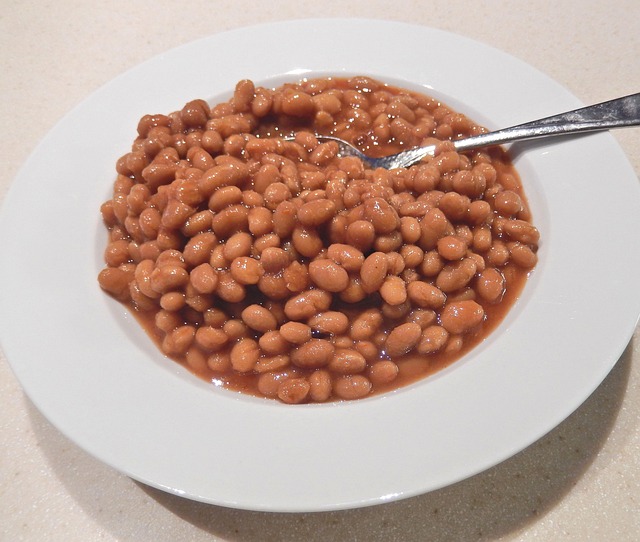
Are Baked Beans Safe for Dogs?
Nutrition and pet-care sources indicate that baked beans are not a suitable food for dogs. Baked beans often include tomato sauce, sugar, salt, and seasonings such as onion or garlic, which many dog-specific resources list as unsuitable for canine consumption.
Source: https://www.purina.co.uk/articles/dogs/feeding/what-dogs-eat/can-dogs-eat-baked-beans
PetMD notes that while many legumes are safe for dogs in plain, cooked form, baked beans are typically prepared with additional ingredients that can pose health concerns.
Source: https://www.petmd.com/dog/nutrition/can-dogs-eat-beans
Because of these factors, baked beans are generally classified with caution and are not recommended as a treat or meal component in dogs’ diets.
Why Baked Beans Can Be a Problem for Some Dogs
Main considerations
- High salt content: Excessive sodium can lead to dehydration or electrolyte imbalance in dogs.
- High sugar content: Many baked bean sauces include added sugar or molasses.
- Seasonings: Onion, garlic, and related spices commonly found in baked beans are associated with red blood cell damage and digestive issues in dogs.
Portion size and dog size
Even small amounts of baked beans with added seasonings may cause digestive upset, especially in smaller dogs. Larger quantities increase the likelihood of problems related to salt, sugar, or toxic ingredients.
Preparation differences
Veterinary nutrition discussions highlight the distinction between:
- Plain cooked beans (low risk when unseasoned)
- Canned baked beans (often high in salt, sugar, and seasoning)
- Homemade baked beans (may still contain unsuitable ingredients)
Signs Reported When Dogs React Poorly to Baked Beans
- Vomiting
- Diarrhoea
- Gas or bloating
More serious signs (linked to added ingredients)
- Lethargy
- Abdominal pain
- Signs associated with onion or garlic ingestion
Ingredients or Additives to Watch For
- ❌ Onion or garlic (commonly used as seasonings; classified as toxic to dogs)
- ❌ High salt or sodium (found in canned preparations)
- ⚠️ Added sugar or molasses (may cause digestive upset or contribute to obesity/diabetes)
Puppies vs. Adult Dogs
Veterinary and nutrition sources do not classify baked beans differently for puppies and adults, but puppies may be more sensitive to high sodium or seasoning due to their smaller size and developing systems.
Other Common Variants of Beans
Plain Cooked Beans (e.g., black beans, kidney beans)
When cooked without seasoning, some beans may be tolerated by dogs and can contribute protein and fibre.
Source: https://www.petmd.com/dog/nutrition/can-dogs-eat-beans
Refried or Chili Beans
Often contain high fat, spices, salt, or onion/garlic, making them unsuitable for dogs.
Canned Beans
High sodium levels make many canned beans a poor choice unless rinsed and served plain, with caution.
Dog-Friendly Alternatives Mentioned in Pet-Nutrition Sources
- Plain cooked green beans
- Plain cooked peas
- Cooked lentils (unseasoned)
- Commercial dog treats
Frequently Asked Questions (FAQ)
This FAQ summarises themes appearing in veterinary pet-care articles.
It is informational only and not a substitute for professional veterinary care.
Are baked beans toxic to dogs?
No, baked beans are not classified as toxic per se, but they are considered unsuitable due to high salt, sugar, and common seasonings.
Can my dog eat a small amount of baked beans?
A small accidental taste of plain, unseasoned beans is unlikely to cause severe harm, but baked beans usually contain additives that can upset digestion.
Are other beans good for dogs?
Plain cooked beans like green beans are safe, but baked beans with sauce and seasonings should be avoided.
Source Reference
This page compiles information from publicly accessible veterinary and pet-nutrition resources, including:
-
Purina UK — “Can Dogs Eat Baked Beans?”
https://www.purina.co.uk/articles/dogs/feeding/what-dogs-eat/can-dogs-eat-baked-beans -
PetMD — “Can Dogs Eat Beans?” (includes reference to baked beans)
https://www.petmd.com/dog/nutrition/can-dogs-eat-beans
This page is informational only and does not constitute veterinary or medical advice. Readers are encouraged to review these sources directly.