Are Black Beans Safe for Dogs?
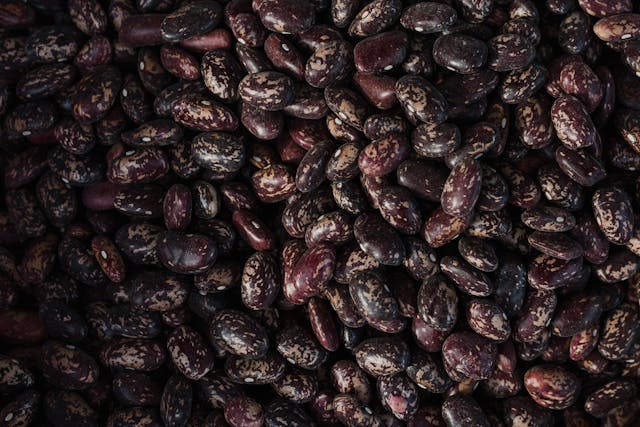
According to the AKC, black beans are not toxic to dogs and can be eaten in small amounts when they are plain and fully cooked. The AKC notes that beans are high in fibre and protein but are not nutritionally necessary for dogs.
Source: https://www.akc.org/expert-advice/nutrition/can-dogs-eat-black-beans/
PetMD similarly reports that many beans, including black beans, are safe for dogs when cooked and unseasoned. However, the article emphasises that preparation is important, as seasonings and salt are common causes of digestive problems.
Source: https://www.petmd.com/dog/nutrition/can-dogs-eat-beans
Across veterinary nutrition guidance, black beans are generally classified with caution, mainly due to how they are prepared rather than because of toxicity.
Why Black Beans Can Be a Problem for Some Dogs
Main considerations
- High fibre content: May cause gas, bloating, or diarrhoea in some dogs.
- Added salt: Common in canned black beans and noted as unsuitable in excess.
- Seasonings: Onion, garlic, and spices are frequently added and classified as unsafe.
Portion size and dog size
Smaller dogs may be more affected by fibre and salt because even small amounts represent a larger proportion of their diet.
Preparation differences
Veterinary sources distinguish between:
- Plain, cooked black beans (lower risk)
- Canned black beans (often high in sodium)
- Seasoned black beans (may contain onion, garlic, or spices)
Signs Reported When Dogs React Poorly to Black Beans
- Gas
- Diarrhoea
- Vomiting
These signs are generally related to digestive sensitivity rather than toxicity.
Ingredients or Additives to Watch For
- ❌ Onion or garlic (commonly added to bean dishes and classified as toxic to dogs)
- ❌ High salt or sodium (common in canned beans)
- ⚠️ Spices or sauces (may irritate the digestive system)
Puppies vs. Adult Dogs
Veterinary sources do not classify black beans differently for puppies and adult dogs. However, puppies may be more sensitive to high-fibre foods due to their developing digestive systems.
Other Common Variants of Black Beans
Canned Black Beans
Often contain added salt; veterinary sources flag sodium as a concern.
Refried Black Beans
Usually prepared with fat, salt, and seasonings and are considered unsuitable.
Black Bean Soup or Chili
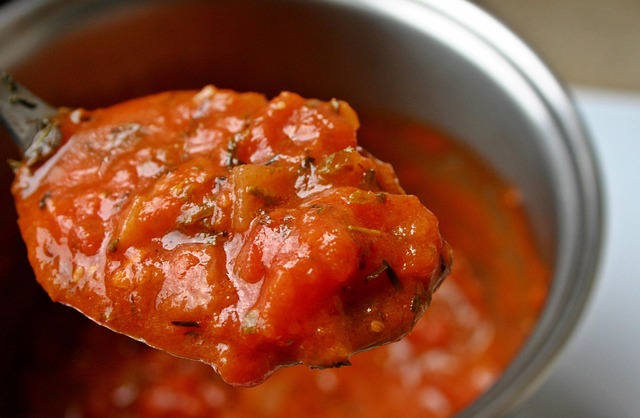
Frequently contains onion, garlic, spices, and sometimes meat fats, making it inappropriate for dogs.
Dog-Friendly Alternatives Mentioned in Pet-Nutrition Sources
- Plain cooked green beans
- Plain cooked peas
- Cooked lentils (unseasoned)
- Commercial dog treats
Frequently Asked Questions (FAQ)
This FAQ summarises themes appearing in veterinary pet-care articles.
It is informational only and not a substitute for professional veterinary care.
Are black beans toxic to dogs?
No. Veterinary organisations classify black beans as non-toxic.
Can black beans cause gas?
Yes. Their fibre content is commonly associated with gas or bloating.
Are canned black beans safe?
Canned black beans are often high in salt and are considered less suitable than plain, cooked beans.
Source Reference
This page compiles information from publicly accessible veterinary and pet-safety resources, including:
-
AKC — “Can Dogs Eat Black Beans?”
https://www.akc.org/expert-advice/nutrition/can-dogs-eat-black-beans/ -
PetMD — “Can Dogs Eat Beans?”
https://www.petmd.com/dog/nutrition/can-dogs-eat-beans
This page is informational only and does not constitute veterinary or medical advice. Readers are encouraged to review these sources directly.